
Unbiased headlines. Facts, not spin.
Every story is an unbiased news briefing written from 110+ sources across the spectrum — sources linked so you can verify it yourself.
 finance
Major Story (7/10)
Event date: September 18, 2026
finance
Major Story (7/10)
Event date: September 18, 2026
Bank of Japan's Ueda Splits 7-2 on Rate Hike to 1.25%, Satisfying Neither Tokyo Nor Washington
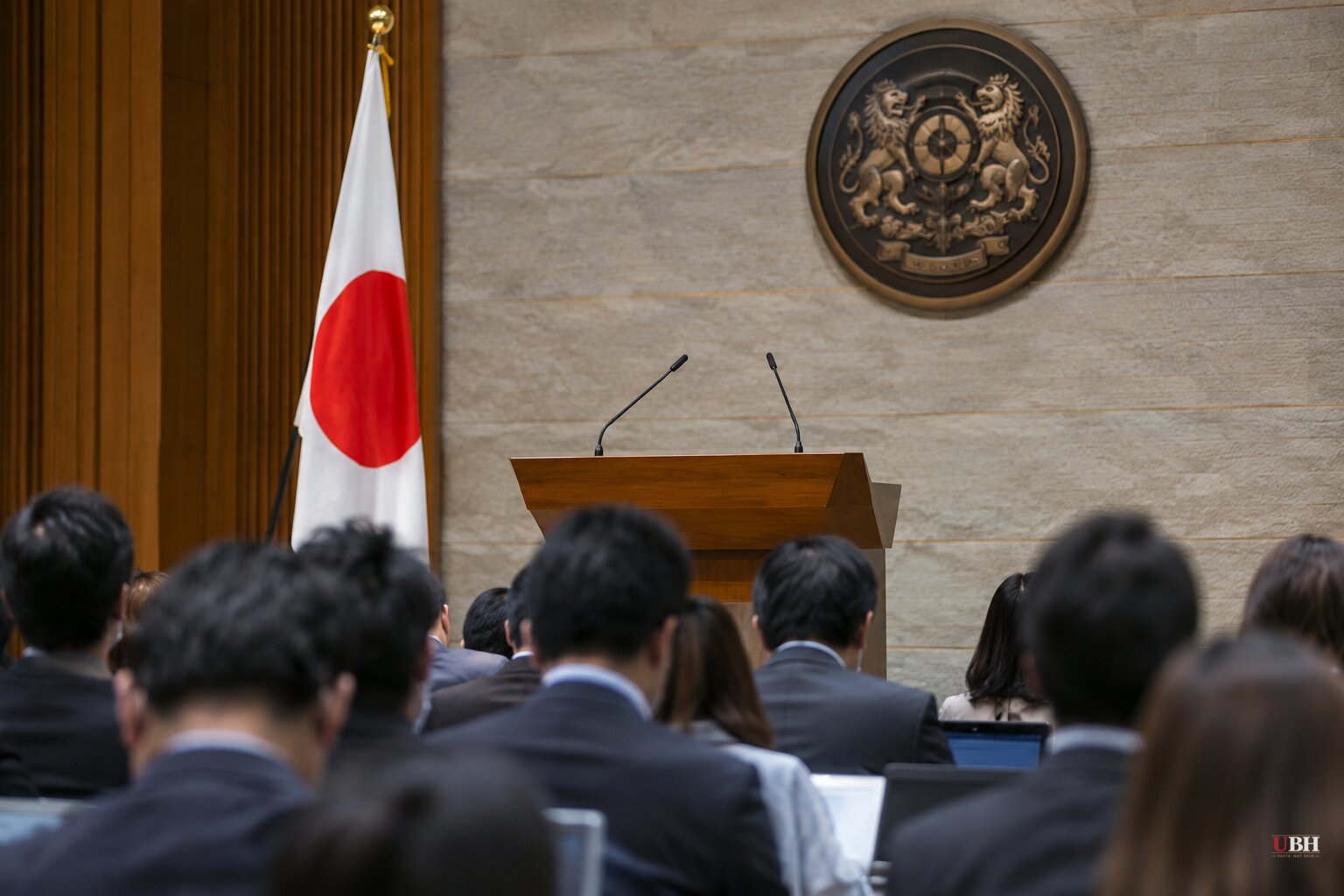
Since the Bank of Japan's Friday, September 18 decision to lift its policy rate a quarter point to 1.25%, the fallout has been less about the hike itself and more about who didn't get what they wanted.
The vote was 7-2. Governor Kazuo Ueda got his tightening, the third increase since the BOJ ended negative rates in March 2024 and the highest level since April 1995, according to BigGo Finance. But the yen weakened roughly 1% after the announcement, drifting toward 157-158 per dollar, according to Crypto Briefing. If the goal was to reward the currency for higher rates, markets didn't play along.
Two Dissents, One Message
The two no votes came from Toichiro Asada and Ayano Sato, both appointed to the BOJ board this year by Prime Minister Sanae Takaichi's government, according to BigGo Finance. Both wanted rates left unchanged. That split reflects a direct line from Takaichi's growth-first economic agenda into the central bank's own decision-making room.
Takaichi has previously called the idea of additional rate hikes "stupid," according to Asia Times. She reshuffled her cabinet on September 17, one day before the BOJ's decision, according to Crypto Briefing. Her Liberal Democratic Party holds a supermajority won in February 2026 elections. Next year she gets the chance to replace the board's two most hawkish members, according to Bloomberg, a fact both Bloomberg and The Japan Times flagged as a signal of what may come.
Pressure From Washington
On the other side sits US Treasury Secretary Scott Bessent, who has pushed publicly for the BOJ to normalize policy faster to strengthen the yen. Bessent told markets, "I am the house now. I have pretty good insight into what the Bank of Japan is going to do, what Japanese policymakers are going to do. You can bet against me if you want," according to Asia Times.
Japan's Finance Minister Satsuki Katayama described the level of US involvement in Japanese monetary affairs as "scary," according to Asia Times. That's a significant shift in diplomatic language from a sitting cabinet official about the country's chief financial ally.
Bessent did not cause the hike, though. Consumer prices are rising at a 1.9% annual clip while GDP grew just 0.4% quarter-on-quarter in April-June, according to Asia Times. The BOJ was responding to inflation outpacing growth, not a phone call from Washington. Bessent has inserted himself into the narrative aggressively enough that two of Tokyo's most important people, in the form of Takaichi's own board appointees, appear willing to bet against him.
The Case for Caution
Takaichi's underlying concern is not baseless. Japan carries one of the highest debt-to-GDP ratios in the developed world, and her government has been trying to cut the food consumption tax from 8% to 1% while sustaining aggressive fiscal spending, according to sc. Higher rates make servicing that debt pile more expensive and could choke off the growth her agenda depends on. A prime minister worried that tightening too fast will strangle a fragile recovery has economic concerns that plenty of economists would recognize as legitimate.
But the bond market has been unforgiving. Japan's 10-year government bond yield hit a three-decade high of 3% recently, according to sc, which called that level a "fiscal emergency" for a country this deep in debt. That's reportedly why Takaichi's team has stepped back and said monetary policy "should be left to the BOJ," clearing the September hike before an extraordinary parliament session in October where she hopes to pass her tax cuts, according to sc.
What's Actually Driving Prices
The inflation itself traces to oil. US crude futures were trading near $100 a barrel for the first time in about four months as the Middle East conflict drags on, according to BigGo Finance. Japan imports roughly 95% of its oil, according to Asia Times, and the BOJ's own corporate goods price index for August topped 7% year-on-year for a third straight month, according to BigGo Finance.
Fitch Ratings economist Jessica Hinds said the BOJ's statement signaled "it thinks it has more work to do," repeating language that it will keep raising rates and that conditions will remain accommodative even after Friday's move, according to Asia Times. Capital Economics' Marcel Thieliant expects rates to hit 2% by mid-2027, warning that inflation excluding fresh food and energy could rise toward 2.5% by early next year if Tokyo doesn't resume energy subsidies.
The next test comes at the BOJ's October and December policy meetings. Danske Bank analysts noted the central bank could have delivered a larger, jumbo-sized hike this time and chose not to, according to Asia Times, leaving traders to question whether Ueda has the votes for back-to-back tightening. With Takaichi's next board appointment opportunity looming in 2027 and Bessent still publicly betting on his own read of Tokyo's next move, Ueda's margin for maneuver looks like it's shrinking.
Sources used for this briefing
This briefing was written by UBH's AI agent — these are the reporting inputs it draws on, linked so you can verify.


