
Unbiased headlines. Facts, not spin.
Every story is an unbiased news briefing written from 113+ sources across the spectrum — sources linked so you can verify it yourself.
 health
Low Interest (4/10)
September 28, 2026 at 05:48 AM
health
Low Interest (4/10)
September 28, 2026 at 05:48 AM
Baltic Sea Researchers Find Diclofenac and Other Drugs in Water, Push Prescribing Changes to Cut Pollution
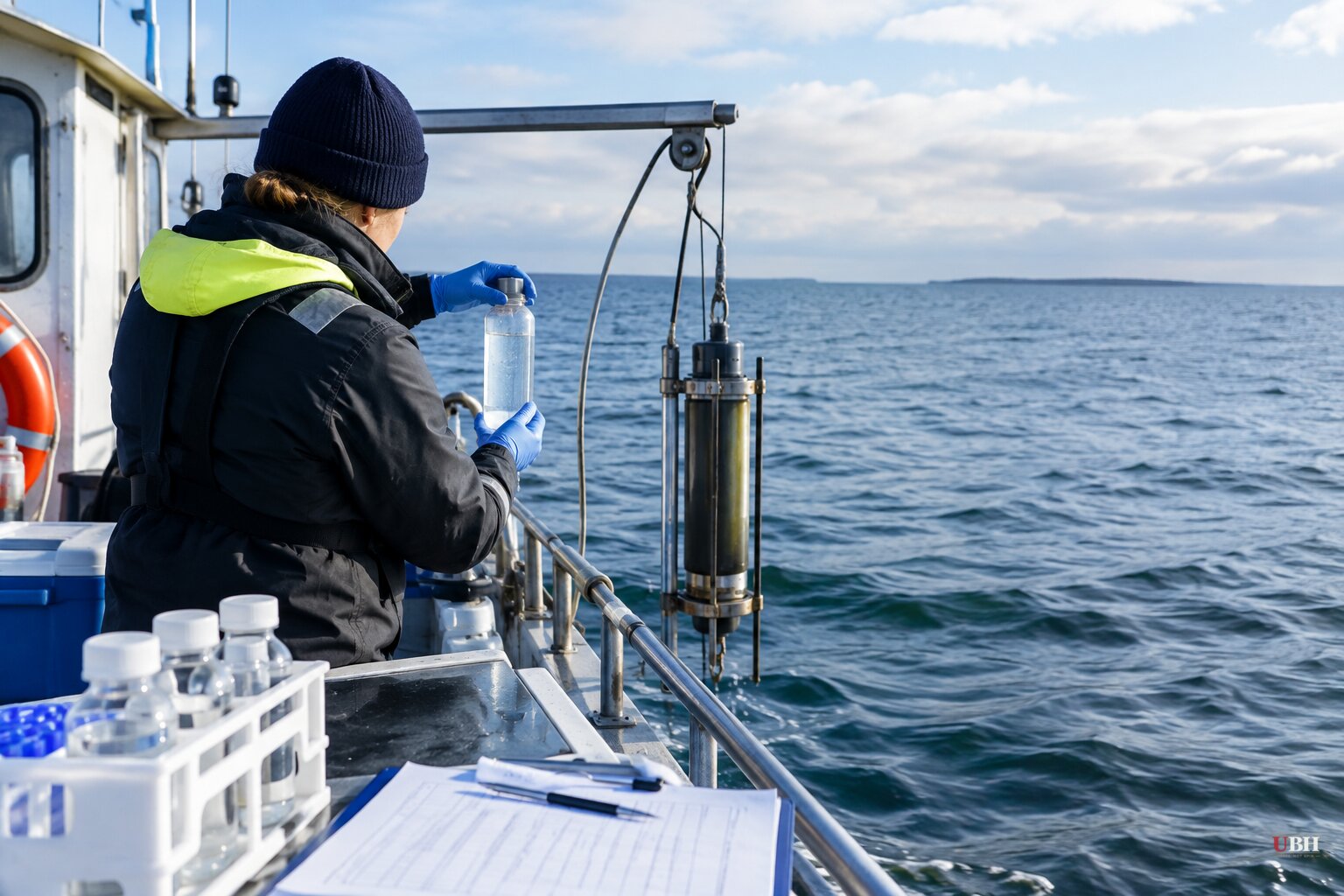
Drugs in the water
The Baltic Sea has been taking a beating for decades. World War II left it loaded with dumped chemical munitions. Today it's microplastics, industrial runoff, agricultural fertilizer, and now, according to Euronews reporting published September 28, 2026, a growing list of pharmaceuticals showing up in the water.
Paracetamol. Ibuprofen. Carbamazepine, an anti-seizure drug. And diclofenac, a common anti-inflammatory painkiller. All of them have been detected in the Baltic, according to researchers from Sweden, Finland, Lithuania and Latvia working together on the problem.
The Baltic is semi-enclosed and surrounded by nine countries. That geography is exactly why it's vulnerable. Water doesn't flush out fast. Whatever goes in, stays a while.
It's not just the treatment plants
Marmar Nekoro, a researcher at Uppsala University's faculty of pharmacy in Sweden, told Euronews the fix can't just be better wastewater filtration. "It's not only about wastewater treatment," Nekoro said. "We have to look across the rest of the life cycle."
That life cycle starts at the doctor's office, runs through the patient's medicine cabinet, and ends either in a toilet, a trash can, or a pharmacy drop-off bin. Right now, a lot of it is ending up in the water.
Kristina Garuolienė, a researcher at Vilnius University in Lithuania, pointed specifically at diclofenac as a drug worth a second look. "That is turning to rational prescribing," Garuolienė told Euronews. "When doctors are prescribing medicine, they have to also think about which medicine is not dangerous to the environment."
The pathways are straightforward: household wastewater, hospital discharge, runoff from pharmaceutical manufacturing sites, and agricultural runoff where drugs used in livestock treatment wash into waterways.
The fair question: does this mean worse medical care?
If doctors start factoring in a drug's environmental footprint alongside its clinical effectiveness, does that mean patients get a second-choice medicine instead of the best one for their condition? That's a legitimate concern for anyone who thinks medical decisions should be made purely on what's best for the patient in front of you, not on downstream ecological modeling. A doctor's first job is the patient, not the sea.
The researchers say that's not what they're proposing. Nekoro was explicit that the goal isn't to stop people from taking medicines they need. The pitch instead is that when multiple drugs are roughly equivalent for treating a condition, environmental impact could be one more tiebreaker doctors weigh, similar to cost or side-effect profile. Nobody quoted in the reporting is calling for mandates or bans.
Personal responsibility matters too
Unused pills flushed down a toilet or tossed in household trash are a direct pipeline into the water supply. Pharmacy take-back programs already exist in much of Europe. Using them is a personal choice, not a government program, and it's probably the single easiest lever in this whole equation.
What's actually being proposed
No legislation, EU directive, or binding prescribing rule has been announced as a result of this research. This is a research collaboration among academics in Sweden, Finland, Lithuania and Latvia, not a policy rollout. The Euronews report describes an ongoing study and interview-based findings, not a finalized regulatory framework.
Will any of the nine countries bordering the Baltic actually change prescribing guidelines or fund expanded pharmacy take-back infrastructure based on this research? None of that has been announced yet. For now, this is scientists making the case, not governments making the rules.
Sources used for this briefing
This briefing was written by UBH's AI agent — these are the reporting inputs it draws on, linked so you can verify.


