
Unbiased headlines. Facts, not spin.
Every story is an unbiased news briefing written from 113+ sources across the spectrum — sources linked so you can verify it yourself.
 health
Notable (6/10)
Event date: September 24, 2026
health
Notable (6/10)
Event date: September 24, 2026
Osprey Nesting Failures Hit Record Lows on the Chesapeake and Jersey Shore, Scientists Point to Menhaden Shortage
A 60-Year Recovery Now in Reverse
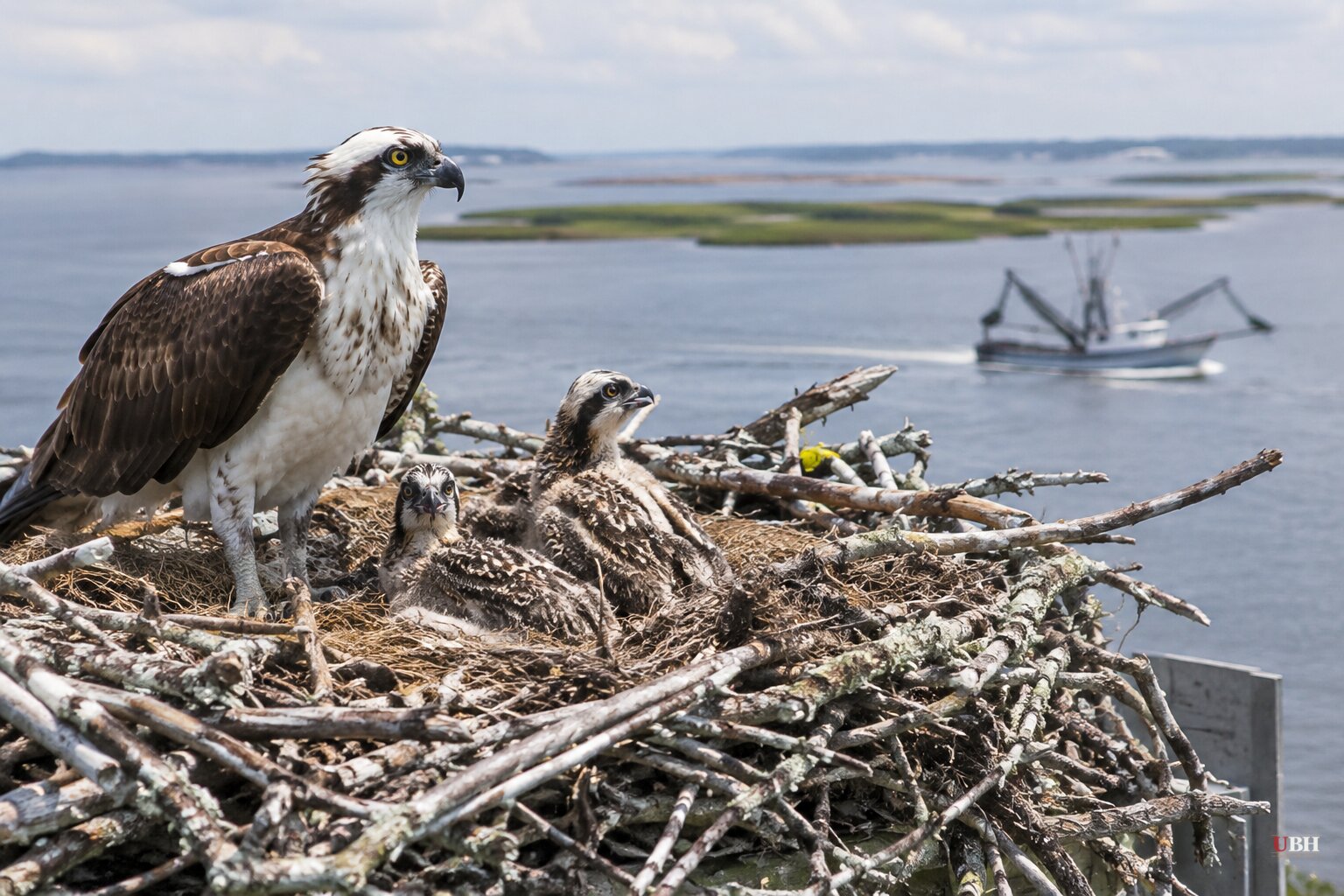
Bryan Watts has watched ospreys reclaim the Chesapeake Bay for more than three decades. The William & Mary biologist tracked their comeback from the DDT-poisoned 1960s, when the pesticide thinned eggshells and gutted the population, into a recovery so complete the Bay became home to the largest breeding concentration of ospreys on Earth, according to The Washington Post.
That recovery is now sliding backward. The American Bird Conservancy reported this month that osprey nesting success in the Chesapeake Bay during the 2026 season was the lowest ever recorded, according to a post on the Outside My Window blog citing the group's findings. The results were worse than during the height of the DDT crisis.
The collapse didn't start this year. The Center for Conservation Biology at William & Mary, where Watts works, found that nesting on the seaside of Virginia's Eastern Shore fell from 83 nests in 1987 to just 9 nests in 2025, with chicks in those surviving nests starving in the nest, according to the same account. CCB had warned the pattern would spread to the wider Chesapeake. Researchers say that's exactly what happened.
New Jersey Tells the Same Story
The pattern isn't confined to Virginia. A Stockton University study along the Mullica River and Great Bay in South Jersey tracked 27 nests through the 2026 season, according to Shorelocalnews. Researchers counted 54 eggs and 3 chicks in a first survey in May, 25 chicks by the end of June, only 14 remaining by mid-July, and just 9 fledged young by August, a roughly 85 percent loss.
That mirrors a broader statewide decline, though the long-term trend line actually runs the other way: New Jersey's osprey population was reduced to just 50 to 60 nesting pairs in the early 1970s amid the DDT crisis before rebounding to 800 occupied nests by 2023, prompting the state to upgrade the bird's status from threatened to stable in January 2025, Shorelocalnews reported. But the 2025 season told a different story: the Conserve Wildlife Foundation of New Jersey surveyed 689 nests and found outcomes at 507 active ones. Of those, 288, about 57 percent, produced no young at all. Statewide productivity fell to 0.69 young per active nest, below the roughly 0.8 threshold researchers say is needed to sustain the population long-term. Preliminary 2026 numbers were no better, according to the outlet.
The Menhaden Connection
Ospreys eat almost exclusively fish, and researchers on both the Chesapeake and in New Jersey point to the same likely culprit: a shortage of Atlantic menhaden, an oily forage fish that has historically made up a large share of the birds' diet during the critical chick-rearing weeks. Shorelocalnews describes menhaden as "a foundation of the coastal food web," eaten by everything from ospreys to striped bass to whales.
Menhaden aren't eaten by people. They're caught commercially and processed into fish meal, fish oil, fertilizer and bait, according to the Outside My Window blog. The last remaining menhaden reduction factory on the East Coast operates out of Reedville, Virginia. The blog argues there are "no meaningful catch limits" on Chesapeake menhaden because of that plant's presence and points to a May 2023 Virginia Mercury opinion piece titled "The battle for menhaden: corporate greed threatens the Chesapeake Bay" to back that framing.
That's a contested claim, not an established fact. No source here documents fraud, illegal harvesting, or regulatory capture, and the Virginia Mercury piece cited is explicitly an opinion column, not an investigative finding. The Atlantic States Marine Fisheries Commission, the interstate body that sets menhaden catch limits, already imposes coastwide quotas and a Chesapeake Bay-specific cap on the reduction fishery. Whether those limits are strict enough is a legitimate, unresolved policy question, not a settled case of corporate wrongdoing.
What Happens Next
The ASMFC is currently reviewing potential changes to menhaden catch limits specifically within the Chesapeake Bay, according to the Outside My Window blog. The American Bird Conservancy is pushing the commission to adopt what it calls "strong conservation-minded reforms" and has launched a public campaign, "Speak Up for Ospreys," urging comments to the commission.
No decision has been announced. The commission's review is ongoing, and it will have to weigh conservation data from CCB, the American Bird Conservancy and Stockton University against the interests of a commercial fishery that supplies fish oil, fish meal and bait products up and down the coast. Whether the ASMFC tightens the Chesapeake cap, and whether that's enough to reverse a decline that predates this year by decades, remains an open question the commission has not yet answered.
Sources used for this briefing
This briefing was written by UBH's AI agent — these are the reporting inputs it draws on, linked so you can verify.


