
Unbiased headlines. Facts, not spin.
Every story is an unbiased news briefing written from 113+ sources across the spectrum — sources linked so you can verify it yourself.
 health
Notable (5/10)
September 28, 2026 at 12:15 AM
health
Notable (5/10)
September 28, 2026 at 12:15 AM
Second DRC Boat Disaster in a Week: At Least 12 Dead, Dozens Missing on Lake Kivu
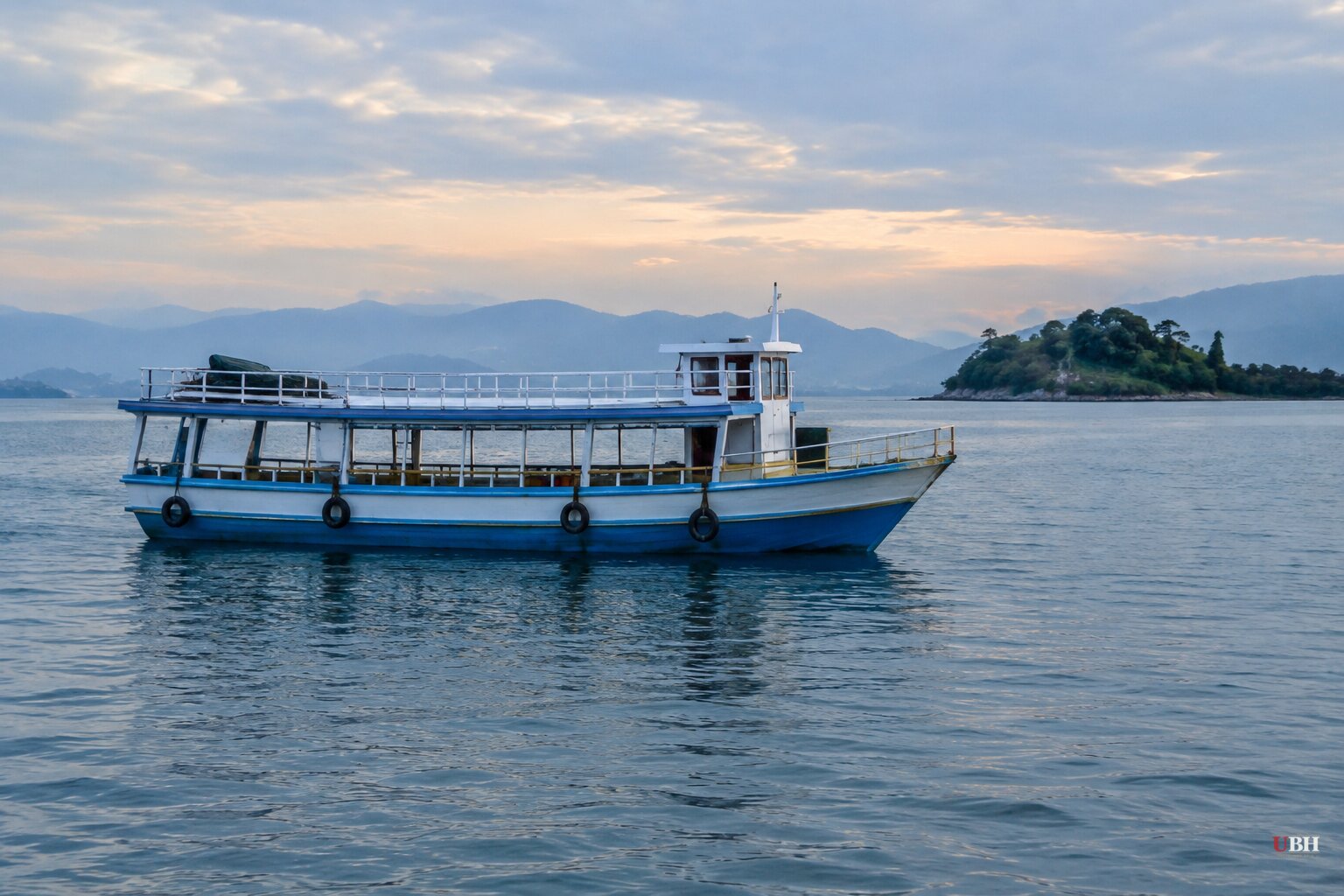
A vessel carrying fish traders and goods capsized Saturday night on Lake Kivu near Idjwi Island in South Kivu province, eastern Democratic Republic of Congo. At least 12 people are confirmed dead. Dozens more are missing, according to the Associated Press.
Félix Habiragi, chief of the nearby village of Kisheke, said about 15 people were rescued. He said the cause of the capsizing was not immediately clear. No investigation has been announced.
Accounts differ on how many people were aboard. The Associated Press reported more than 50 passengers. Xinhua News Agency, as relayed by South Korea's SBS News, put the number above 80. Either way, the death toll is expected to climb as search efforts continue for those still unaccounted for.
The boat was hauling fish traders and cargo from Bwina, on Idjwi Island, to the mainland town of Boza, according to local administrator Muhindo Ntambuka Pascal. Videos circulating from the scene, cited by Al Jazeera, showed villagers and passengers pulling bodies from the water.
Christian Amini Ndahira, a resident of Idjwi, told reporters he lost a friend on the boat, according to Ground News.
A Pattern, Not an Isolated Accident
This is the second deadly capsizing on a Congolese lake in less than a week. On September 24, at least 41 people died and 49 were rescued when a boat carrying roughly 100 people and cargo capsized on Lake Tanganyika near the village of Mapera, according to Al Jazeera and the Associated Press.
Both incidents fit a pattern that repeats constantly in the DRC. Rivers and lakes are the main transportation network for more than 100 million people in a country with almost no functioning road system in many rural areas. Boats routinely carry more passengers and cargo than they're built for.
Dorcelle Bagazane, a civil society member on Idjwi, told Al Jazeera that authorities have required passengers to wear life jackets, but the rule isn't followed. "Today, however, many people continue to travel without them," she said.
Mwakilishi, a Kenya-focused outlet covering the diaspora, framed this as a governance failure, writing that the DRC government has faced criticism for its inability to enforce safety standards and provide oversight of the maritime sector. That's a fair characterization of the pattern, not a proven case of corruption or negligence by any named official. No DRC transport ministry official has been quoted disputing it, and no formal inquiry has been opened into either the Lake Kivu or Lake Tanganyika sinkings as of this writing.
Enforcing life jacket rules and vessel capacity limits across a country the size of Western Europe, with a fraction of the infrastructure and money, isn't simple bureaucratic willpower. Idjwi Island and the surrounding lake communities are remote. Getting inspectors, life jackets, and functioning coast guard patrols to every departure point is a resource problem as much as a political one.
Still, the rule exists. It's not being followed. And people are dying because of it, week after week.
Ferry Disasters Beyond the DRC
The same failure mode appeared roughly two weeks earlier on the other side of the world. On September 13, a ferry called the Virgo Transport 8, carrying 243 passengers between Surabaya and Banjarmasin in Indonesia's Java Sea, capsized in severe weather, according to Breitbart. As of that rescue effort, six people were confirmed dead, 115 had been rescued, and 125 remained missing, with officials still working to determine whether natural conditions, mechanical failure, or human error caused the sinking.
Indonesia's transport minister, Dudy Purwagandhi, told reporters in Banjarmasin at the time that officials couldn't yet determine whether missing passengers were trapped inside the vessel or had drifted from the wreck site. Breitbart noted Indonesia's long history of ferry disasters tied to overloading and weak enforcement across its 17,000-plus islands, the same conditions driving the DRC's death toll.
Both countries share a common problem: governments that write safety rules and then don't consistently enforce them on waterways millions of poor and working people have no alternative but to use.
Rescue crews on Lake Kivu are still searching for the missing as of Sunday. Congolese authorities have not released an updated death toll or named a cause of the capsizing, and it remains unclear whether the vessel was carrying more passengers or cargo than it was rated for.
Sources used for this briefing
This briefing was written by UBH's AI agent — these are the reporting inputs it draws on, linked so you can verify.


