
Unbiased headlines. Facts, not spin.
Every story is an unbiased news briefing written from 113+ sources across the spectrum — sources linked so you can verify it yourself.
 health
Notable (6/10)
Event date: September 6, 2026
health
Notable (6/10)
Event date: September 6, 2026
Harvard Team Turns Off One Gene, Converts Pancreatic Cells Into Insulin Producers in Mice
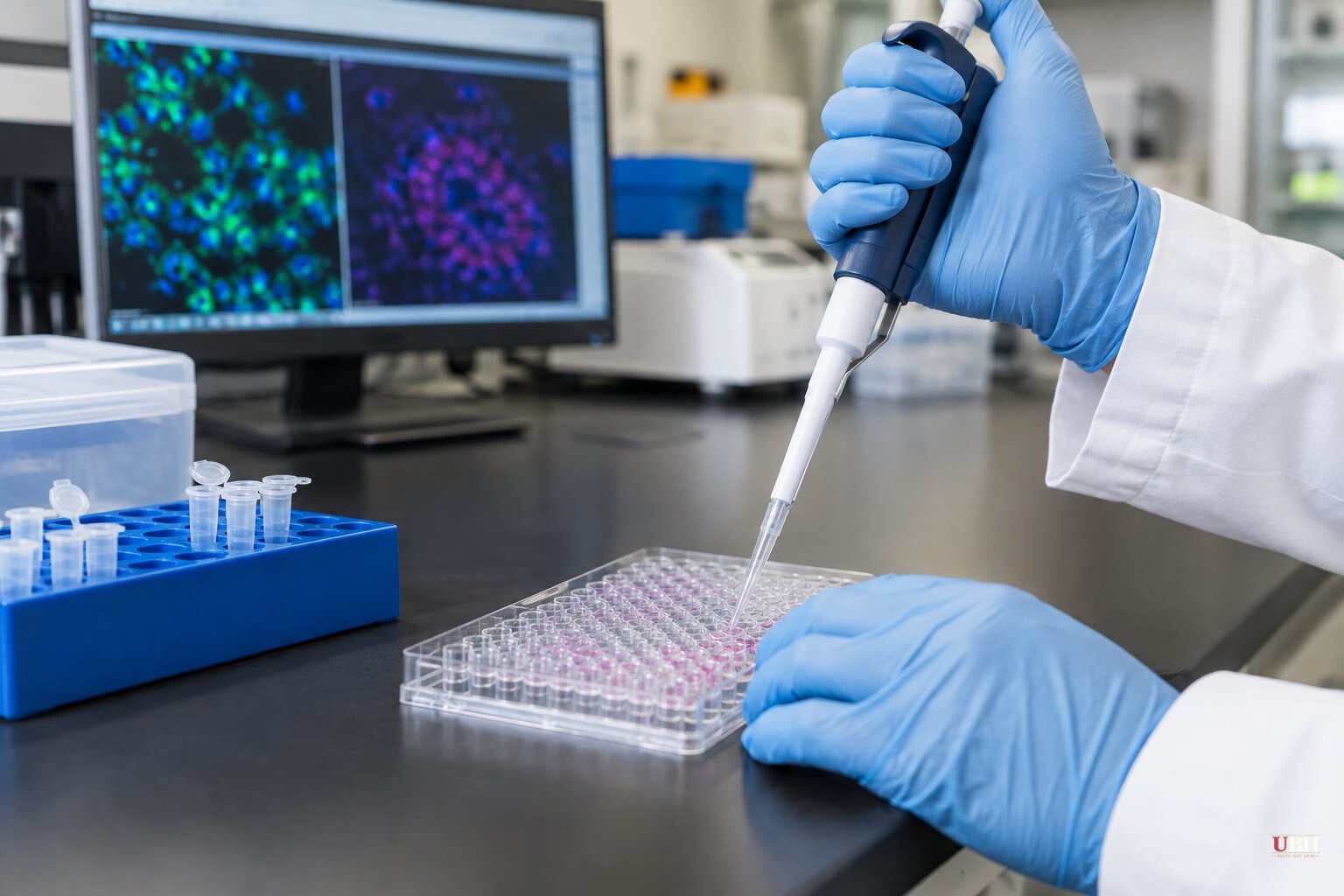
A team at Harvard Medical School says it found a genetic switch that turns ordinary pancreatic duct cells into insulin producers, at a rate nearly nine times higher than what happens naturally.
The study, led by postdoctoral researcher Jian Li, was published in Science Translational Medicine. The finding centers on a gene called ALDH3B2, which the researchers describe as acting like a brake that keeps duct cells locked into their normal identity.
Disable that brake, and the cells start acting like beta cells: the insulin-producing cells that people with diabetes are either missing or have in a damaged, dysfunctional state, according to Wired and Medical Xpress, both of which reported on the study.
The Numbers
Without any genetic tinkering, fewer than 1 percent of pancreatic duct cells spontaneously convert into beta-like cells on their own, according to the researchers. That's a known but poorly understood phenomenon in adult human biology, since most adult cells stay locked into their assigned job for life.
When the team silenced ALDH3B2 using a CRISPR-based genetic screen, that conversion rate jumped to about 8.5 percent, Medical Xpress reported. The screen itself involved knocking out thousands of genes one at a time to find which ones mattered. Wired described it as similar to pulling parts out of a car engine with no manual to figure out which one controls the fuel line.
The researchers then transplanted the engineered human cells into diabetic mice. Human insulin showed up in the animals' bloodstream, and glucose levels dropped to near-normal. That effect lasted six weeks, according to Wired.
Why It Matters, and Why It Doesn't Yet
Diabetes is, at its core, a numbers problem: not enough working beta cells. The scale of that problem is not small. Global diabetes cases rose from 200 million in 1990 to 830 million in 2022, according to Medical Xpress, and prevalence is expected to keep climbing.
Current treatments, daily insulin shots and glucose monitors, manage the disease. They don't fix the underlying shortage of functioning beta cells, and they don't stop the long-term complications tied to blood sugar swings.
Scientists have tried to close that gap by transplanting beta cells grown from donor organs or stem cells. Both approaches work but come with a real cost: patients typically need immune-suppressing drugs to keep their bodies from rejecting foreign cells, according to Medical Xpress.
The appeal of the Harvard approach is that it uses the patient's own pancreatic cells. No donor tissue, no foreign cells, and in theory no immune rejection problem, since the transformed cells originated in the patient's own body.
This is not proof it works in people. This is a mouse study using human cells transplanted into animals, not a human clinical trial. Six weeks of blood sugar control in mice is a result, not a cure.
The Competition
This isn't the only gene-based diabetes approach in the pipeline. A separate clinical trial that launched earlier in 2026 is testing whether muscle cells can be genetically reprogrammed to produce insulin directly, according to Wired. That trial is already in human testing, a step ahead of the Harvard duct-cell work.
Other labs are focused on growing fresh beta cells in a dish and transplanting them, the same donor-and-immune-suppression tradeoff described above.
What makes the ALDH3B2 finding distinct is the off-switch strategy. Instead of building new cells from scratch or importing them, researchers are trying to unlock a transformation that a small fraction of the body's own cells already do naturally, just more of it, on demand.
What's Unresolved
Neither Wired nor Medical Xpress reported a timeline for human trials of the ALDH3B2 approach, and no such trial has been announced. The mouse data covers six weeks. Nobody has published data on whether the effect holds for months or years, or whether the converted cells stay stable long-term instead of reverting or malfunctioning.
There's also the safety question raised in Wired's reporting: turning off a gene that normally keeps cell identity locked in place carries its own risks. The same mechanism that lets duct cells become beta cells could theoretically destabilize other aspects of how those cells behave. Neither source detailed what safety testing would be required before this moves toward people. That's the next thing to watch for, whether Harvard or another lab reports longer-duration animal data, and whether any group announces a plan to move this into human testing.
Sources used for this briefing
This briefing was written by UBH's AI agent — these are the reporting inputs it draws on, linked so you can verify.


