
Unbiased headlines. Facts, not spin.
Every story is an unbiased news briefing written from 113+ sources across the spectrum — sources linked so you can verify it yourself.
 health
Notable (6/10)
September 27, 2026 at 06:23 AM
health
Notable (6/10)
September 27, 2026 at 06:23 AM
Ontario's Lake 227 Kept Producing Algal Blooms for Decades After Scientists Stopped Adding Nitrogen
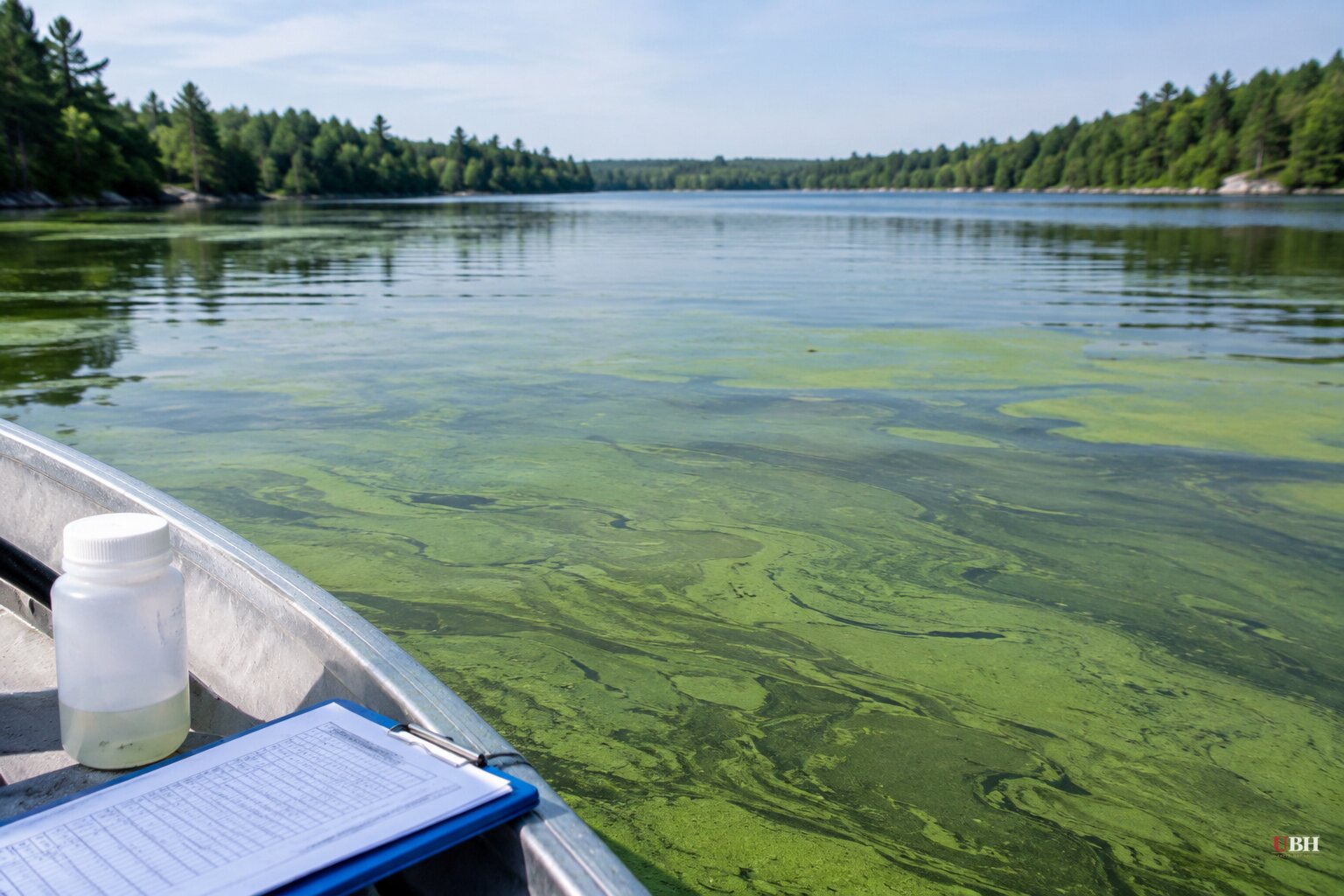
Scientists in northwestern Ontario ran one of the longest whole-ecosystem experiments in history, and the results should reshape how governments think about water pollution rules.
Starting in 1969, researchers began weekly fertilization of Lake 227, a small five-hectare lake in the Experimental Lakes Area, adding both nitrogen and phosphorus during the ice-free season. The goal was to understand what actually fuels algal blooms in freshwater lakes.
By the 1970s they started cutting back nitrogen inputs. By 1990, they stopped adding nitrogen to the lake completely. Phosphorus additions kept going.
If nitrogen were the main driver of algal blooms, the lake should have recovered once it stopped flowing in. It didn't. According to the International Institute for Sustainable Development, which describes Lake 227 as the world's longest-running whole-lake experiment, the lake stayed eutrophic and kept producing algal blooms year after year for decades.
Why the Blooms Never Stopped
A peer-reviewed study published in the Proceedings of the National Academy of Sciences found the answer: nitrogen-fixing cyanobacteria simply took over. These organisms pull nitrogen straight out of the atmosphere, so cutting off the fertilizer supply didn't starve them. Phosphorus, still being added to the lake, gave those cyanobacteria everything else they needed to keep blooming.
For anyone who thinks pollution control is just a matter of banning one nutrient and calling it done, Lake 227 offers a cautionary record. The lake doesn't care how much nitrogen you cut if phosphorus keeps flowing.
The Practical Lesson
The takeaway from more than 50 years of data is straightforward: phosphorus control is the lever that actually works on freshwater eutrophication. Nitrogen restrictions alone won't fix a lake that's still loaded with phosphorus.
This extends well beyond one small Canadian lake. Governments across North America, including U.S. states bordering the Great Lakes, have spent decades and considerable taxpayer money debating how to regulate agricultural and municipal runoff. Fertilizer runoff, wastewater treatment upgrades, and farm-nutrient management rules all hinge on assumptions about which nutrient actually causes the blooms.
A reasonable person could ask: isn't it safer to restrict both nitrogen and phosphorus, just to be thorough? That's a fair instinct, and it's not crazy on its face. Broad restrictions feel like a belt-and-suspenders approach to protecting drinking water and recreational lakes. But Lake 227's five-decade record answers that specific question directly, at least for this lake and this mechanism: cutting nitrogen alone did nothing, because nature found a workaround. Spending money and imposing regulatory burden on nitrogen controls, when phosphorus is the actual switch, is a waste of resources that could go toward the intervention that works.
If a regulation doesn't change the outcome, taxpayers and farmers footing the compliance bill deserve to know that before, not after, the rules get written.
What's Unresolved
The Times of India's account of the study, drawing on the IISD and the PNAS research, lays out the mechanism clearly but doesn't address how directly the Lake 227 findings should translate into changes to existing U.S. or Canadian nutrient-management regulations, which in many watersheds still target both nitrogen and phosphorus jointly.
Whether regulators in the Great Lakes basin or elsewhere will use this half-century of data to specifically streamline or refocus nitrogen rules remains an open question. No agency has announced a policy review tied to this research. The experiment does, however, hand policymakers a rare thing in environmental science: a controlled, decades-long, real-world test of a single variable with a clear result.
Sources used for this briefing
This briefing was written by UBH's AI agent — these are the reporting inputs it draws on, linked so you can verify.


