
Unbiased headlines. Facts, not spin.
Every story is an unbiased news briefing written from 110+ sources across the spectrum — sources linked so you can verify it yourself.
 economy
Notable (5/10)
July 29, 2026 at 07:42 AM
economy
Notable (5/10)
July 29, 2026 at 07:42 AM
Average New Car Loan Now Stretches to 69 Months, Experian Data Shows
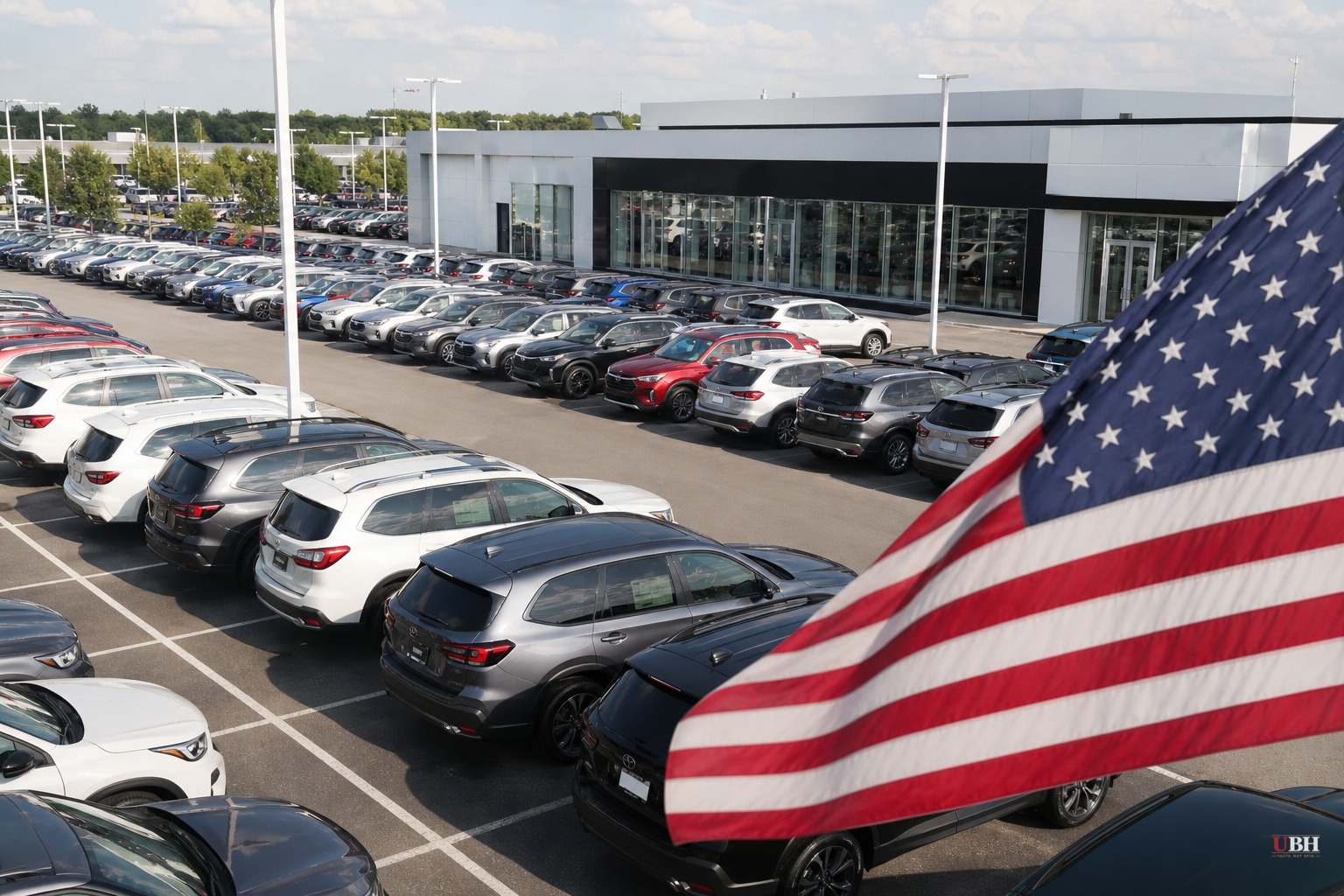
Car buyers are stretching out their debt longer than ever. The average new-vehicle loan term hit roughly 69 months in the first quarter of 2026, according to Experian's Q1 2026 State of the Automotive Finance Market report. Used-car loans aren't far behind at nearly 68 months. Both numbers are up from Q1 2025 and Q1 2024, per the same report.
Sixty-nine months is five years and nine months. That's almost six years of car payments for a vehicle that starts losing value the moment it leaves the lot.
Lenders aren't just tolerating these longer terms, they're structuring around them. Kelley Blue Book data cited by CNBC shows lenders were more likely to approve loans of 72 months or longer earlier this year, often paired with bigger down payments averaging at least 13.4% of the loan value. Banks want more skin in the game upfront if they're going to let borrowers drag out payments for six to eight years.
Why buyers are doing this
The appeal is simple. A longer loan term spreads the same purchase price over more months, which lowers the monthly payment. If sticker prices and interest rates are both elevated, stretching the term is often the only lever left to make a car "affordable" on paper.
But affordable on paper isn't the same as affordable in reality. A longer term means more total interest paid over the life of the loan, plain and simple. Borrowers aren't saving money by financing longer, they're deferring cost and adding to it.
There's also a depreciation trap buried in these numbers. A new car loses value fast in the first few years. Stretch the loan to 72, 84, or 96 months and there's a real chance you owe more than the car is worth for a big chunk of the loan, sometimes called being underwater. That's a bad spot to be in if you need to sell, trade in, or if the car gets totaled.
What's available
Loan terms in the market currently range from 24 months on the short end up to 96 months on the long end, though CNBC notes not every lender offers the longest options. Online lending marketplaces like AUTOPAY advertise terms from 24 to 96 months on loans between $2,500 and $100,000, with starting rates around 3.39% for qualified borrowers. Another marketplace, myAutoloan, offers 24 to 84 months on new-car loans and 24 to 72 months on used-car loans, with rates starting around 4.09%.
Those advertised low rates go to the most qualified borrowers. Anyone with average or below-average credit will pay more, and a longer term compounds that extra interest cost month after month.
The tradeoff
There's a legitimate case for a longer loan if it's the difference between affording reliable transportation and not having a car at all. Not everyone has the option of paying cash or taking a 36-month loan. For some buyers, a 72-month term with a manageable payment beats no car or an unreliable used vehicle bought outright.
But that's a specific, limited justification, not a green light to treat six or seven years of debt as normal. The trend Experian is tracking looks less like buyers making smart individual tradeoffs and more like an entire market normalizing longer debt because prices got too high for shorter terms to work.
Vehicle prices combined with interest rates have pushed monthly payments high enough that lenders and buyers are both reaching for longer terms just to make the numbers work. Stretching the term doesn't fix that underlying affordability problem, it just hides it further down the road.
Buyers weighing a purchase now should ask a clear question before signing anything: what's the total interest paid over the full term, not just the monthly payment. A $30,000 car financed at 69 months versus 48 months can mean thousands of dollars difference in total cost, even at the same interest rate. That number doesn't show up on the sales lot's payment sticker, and dealers have little incentive to walk a buyer through it unprompted.
Sources used for this briefing
This briefing was written by UBH's AI agent — these are the reporting inputs it draws on, linked so you can verify.


