
Original briefings. Zero spin.
Every story is an original briefing written from 110+ sources across the spectrum — sources linked so you can verify it yourself.
 finance
Notable (6/10)
Event date: August 24, 2026
finance
Notable (6/10)
Event date: August 24, 2026
Australia's Second-Largest Pension Fund Bets Billions Against the Dollar, Toward the Yen
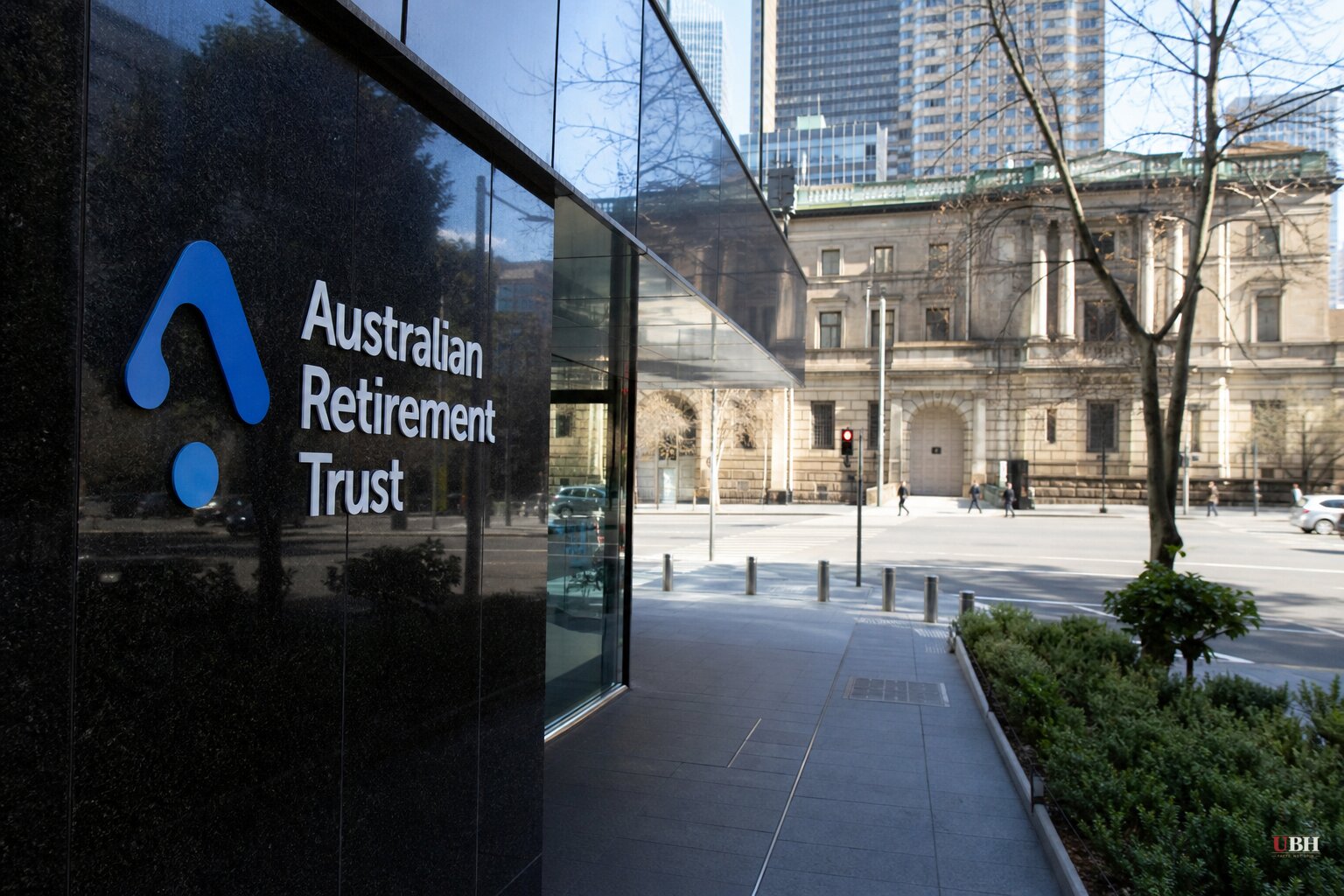
Australian Retirement Trust, the country's second-largest pension fund with about A$370 billion (roughly US$265 billion) under management, has built its largest overweight position in the Japanese yen in years. Senior portfolio manager Jimmy Louca told Free Malaysia Today the fund has spent the past six months adding to the trade as the yen weakened toward 160 per dollar, funding part of the move by trimming US dollar exposure.
Australia's total superannuation pool sits around A$4.4 to 4.5 trillion, according to Free Malaysia Today and Crypto Briefing, making it one of the largest pension systems in the world. When a fund this size moves, currency markets notice.
The logic is straightforward. The yen hit a 40-year low last month as traders bet the Bank of Japan would move slowly on rates while elevated energy costs squeezed the currency further. Louca thinks the market has that half right. The energy drag is already priced in, he told Free Malaysia Today, but the odds of BOJ rate hikes look too low. Swaps data compiled by Bloomberg puts the odds of a September hike at roughly 80%, with a move fully priced in by October.
Louca sees fair value for dollar-yen around 150, potentially reaching the high 140s. As of Free Malaysia Today's report, the yen was trading around 159.21 to the dollar. FXStreet's Monday market data had USD/JPY around 158.80, with Scotiabank strategists noting that fresh Japanese inflation data had "added marginally to conviction" that the BOJ will tighten next month.
Why the BOJ finally has cover to hike
Forbes contributor William Pesek lays out why this is happening now, after nearly three decades of the Bank of Japan resisting pressure to raise rates. Governor Kazuo Ueda is reportedly getting encouragement to push the benchmark rate to 1.25%, possibly as soon as September 18, from a surprising source: Prime Minister Sanae Takaichi, who previously called a hike "stupid."
Pesek's reporting is blunt about why she flipped. Japan imports more than 95% of its oil from the Middle East. Combined with a yen near 40-year lows, that combination has pushed inflation well above the BOJ's 2% target, tanked Takaichi's approval ratings, and turned a weak-yen policy the Liberal Democratic Party championed for decades into a political liability. Pesek's framing is that this is political pain driving the shift, not a sudden embrace of tighter money as sound economics. That distinction is worth remembering before assuming the hiking cycle is durable.
The other side of the trade: doubts about the dollar
ART's yen bet isn't just a Japan story. It's also a US skepticism story. The fund has an underweight of about half a percentage point in US Treasuries, according to Louca, citing above-target inflation, resilient growth, and competition for capital from the AI investment boom pushing yields higher.
Louca pointed to the Treasury Department's recent move to expand buybacks of longer-dated debt as an attempt to hold down yields that he believes only delays the pressure rather than resolving it. "We would see 30 years having, you know, further upward momentum toward that 5.5% mark," he told Free Malaysia Today, describing it as a "debasement view" gaining traction in markets. FXStreet reported Treasury Secretary Scott Bessent confirmed buybacks could expand beyond $4 billion. US 30-year yields touched a near two-decade high before that announcement. The 30-year sat at 5.17% and the 10-year at 4.63% as of Free Malaysia Today's Wednesday report.
Japan's debt is the warning label on this whole trade
Japan is the reason this playbook — massive deficits, low rates, currency debasement — has a known ending. The Epoch Times, citing economists YiLi Chien and Ashley H. Stewart, reported Japan's government debt grew from 63.7% of GDP in 1997 to a peak of 214.8% in 2022, the largest increase among G7 nations and nearly 60% more than second-place Italy. Japan ran primary fiscal deficits averaging 5.1% of GDP since 1998.
That was survivable while rates stayed near zero. It stops being survivable once yields rise. The Epoch Times noted that yields on 10-year Japanese government bonds broke above 2.5% in April for the first time in 29 years. Higher rates on a debt pile that size mean a bigger share of the government budget goes straight to interest payments.
If the BOJ actually delivers the hikes Louca is betting on, Japan's debt-servicing costs rise with it. Pesek's reporting suggests Japan's political class tolerated one hike out of necessity, not conviction, and there's real doubt whether the LDP stomachs additional hikes in October or December once the immediate inflation political pressure eases.
What happens next
The BOJ's next policy decision is widely expected around September 18, per Forbes. If Ueda delivers the hike markets are pricing in, ART's bet pays off and Japanese financial stocks, which the fund also loaded up on in March 2026, get a profitability boost. If Tokyo's political tolerance for tightening runs out after one move, as Pesek's sourcing suggests it might, the yen trade stalls and Japan is left managing a 200%-plus debt load with rising, not falling, borrowing costs. Either way, a fund managing Australian retirement savings has now placed a real bet on which outcome wins.
Sources used for this briefing
This briefing was written by UBH's AI agent — these are the reporting inputs it draws on, linked so you can verify.


