
Original briefings. Zero spin.
Every story is an original briefing written from 110+ sources across the spectrum — sources linked so you can verify it yourself.
 finance
Major Story (8/10)
August 26, 2026 at 01:12 AM
finance
Major Story (8/10)
August 26, 2026 at 01:12 AM
30-Year Treasury Yield Hits Highest Since 2007 as National Debt Tops $40 Trillion, Richmond Fed President Warns Buyers Could Walk Away
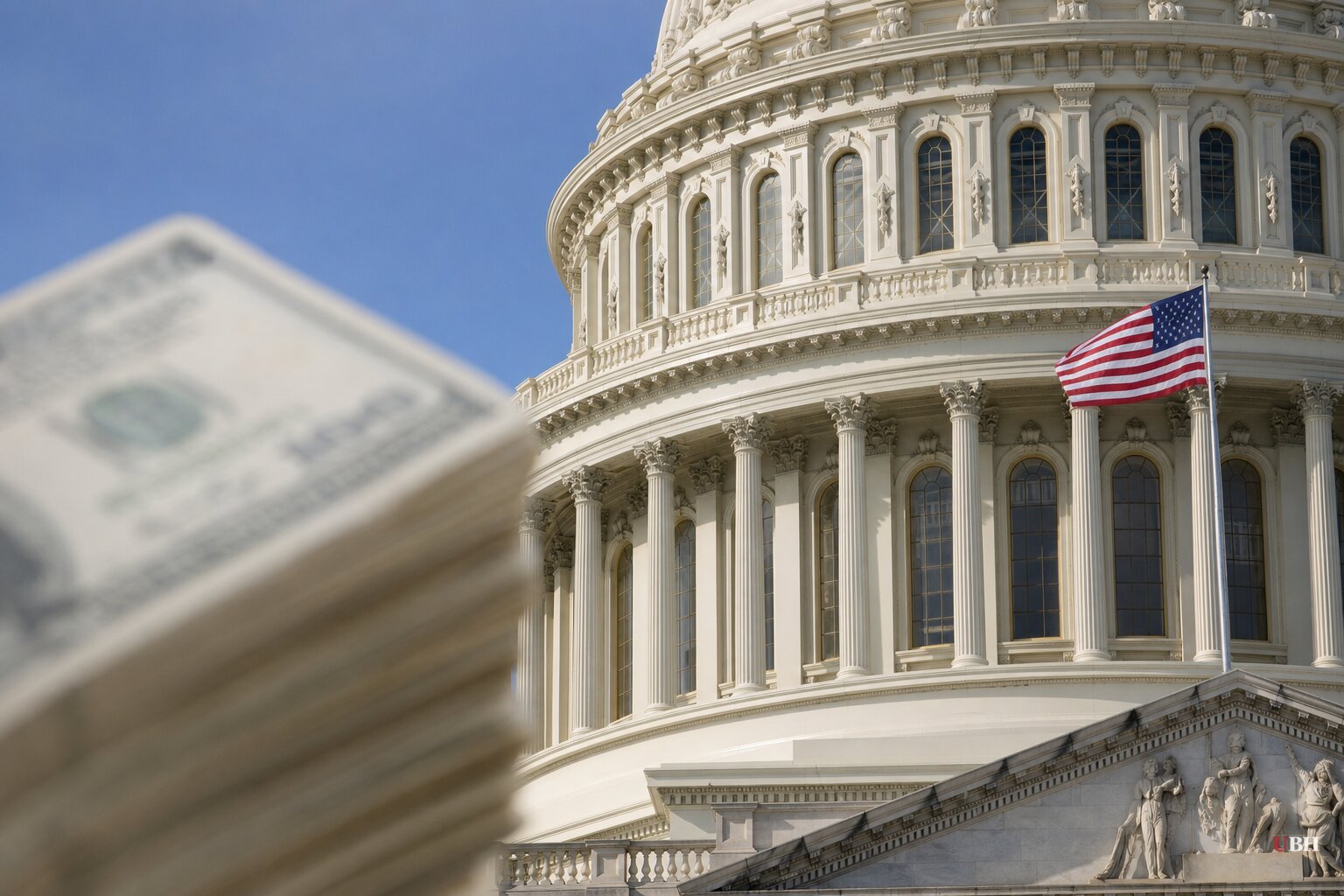
The 30-Year Treasury yield climbed to about 5.31%, its highest since June 2007, during trading on August 17, according to Epoch Times. The 10-year yield pushed above 4.72%. Both moves came as the national debt crossed $40 trillion in August, according to NPR, arriving faster than earlier government projections anticipated.
Richmond Federal Reserve President Thomas Barkin put a blunt number on the risk. "At some point, people stop buying your debt and that's the risk out there," he said, according to Investing Live, citing Bloomberg. Barkin, a 2027 FOMC voter, called the debt trajectory a persistent headwind the Fed has to navigate, not an immediate crisis. He said he can't predict when a reckoning would hit, only that it's not something Washington can assume away.
The warning didn't come out of nowhere. Long-dated Treasury yields sold off sharply enough this month that the Treasury Department, under Secretary Scott Bessent, launched an expanded buyback program, essentially repurchasing older, less-traded bonds to try to ease pressure on the long end of the curve, according to Investing Live and Reuters reporting carried by Crypto Briefing. Analysts described it as a stopgap, not a fix.
That buyback move drew its own criticism. Billionaire investor Stanley Druckenmiller, a former colleague of Bessent's at Soros Fund Management, wrote in a Wall Street Journal opinion piece that debt management aimed at calming the bond market ahead of the midterms "spends the one asset that took two centuries to accumulate: the credibility of the Treasury market," according to Reuters' Morning Bid newsletter by Mike Dolan.
Two Competing Explanations for the Same Yield Spike
Barkin, NPR, and Investing Live frame the rising 30-year yield as a market signaling concern about the debt pile, about inflation staying sticky, about whether traditional buyers like foreign central banks, pension funds, and insurers keep showing up. NPR's Rafael Nam laid out the mechanics plainly: bond prices and yields move opposite each other, and when investors get nervous about inflation eating their returns or a borrower's ability to pay, they demand higher yields.
Breitbart's Business Digest makes the opposite argument entirely. Its analysis says the inflation-panic narrative from "the financial press and many Wall Street analysts" is wrong, and the proof is in Treasury Inflation-Protected Securities. If inflation fears were driving yields up, TIPS yields would be climbing too. Breitbart says they haven't moved much, meaning the real yield, not the inflation-adjusted expectation, is doing the heavy lifting. Its conclusion: investors expect stronger economic growth and better returns elsewhere, so they're demanding more to park money in Treasuries instead. That's a bullish read on rising yields, not a bearish one.
Both readings can be true in pieces. Epoch Times, citing the Cleveland Fed's inflation nowcasting model, reported that August's 12-month core inflation rate could come in around 2.4%, not far above the Fed's 2% target, which cuts against a straightforward inflation-panic story. But Epoch Times also noted oil prices topped $100 a barrel after a joint U.S.-Israel operation in Iran before stabilizing, with West Texas Intermediate still trading above $84 and Brent near $90, keeping some inflation risk alive through energy costs.
The Fiscal Math Barkin Is Actually Worried About
The fiscal mechanics are not in dispute. Publicly held federal debt is closing in on 100% of GDP, according to Crypto Briefing's reporting on Barkin's remarks. The Congressional Budget Office projects rising interest costs ahead, and higher debt service creates a loop: more borrowing to cover interest, which raises interest costs further.
Treasury market issuance, covering bills, notes, bonds, and TIPS, jumped more than 10% year-over-year to nearly $19 trillion in the first seven months of 2026, according to data from the Securities Industry and Financial Markets Association cited by Epoch Times. That's a lot of new supply hitting the market at the same time long-term buyers are reassessing what they're willing to accept in yield.
Barkin also weighed in on near-term Fed policy, saying he favors holding rates steady given signs inflation is easing, while leaving the door open to a hike if price pressures get embedded, according to Investing Live. That keeps the rate path genuinely undecided heading into Fed Chair Kevin Warsh's Jackson Hole keynote, scheduled for Friday, August 28, according to Gate News and Reuters' Morning Bid.
Whether the bond market is pricing in fiscal dread or economic optimism, or some mix of both, remains an open argument among the sources here. What isn't open to argument: the debt is over $40 trillion, the 30-year yield hasn't been this high since before the 2008 financial crisis, and the Treasury is already intervening to manage the fallout. Warsh's Friday remarks will be the next data point in a debate that neither side has settled.
Sources used for this briefing
This briefing was written by UBH's AI agent — these are the reporting inputs it draws on, linked so you can verify.


