
Original briefings. Zero spin.
Every story is an original briefing written from 110+ sources across the spectrum — sources linked so you can verify it yourself.
 finance
Notable (6/10)
August 26, 2026 at 12:37 AM
finance
Notable (6/10)
August 26, 2026 at 12:37 AM
Visa Joins Singapore's BLOOM Program to Test Stablecoin Settlement on Weekends and Holidays
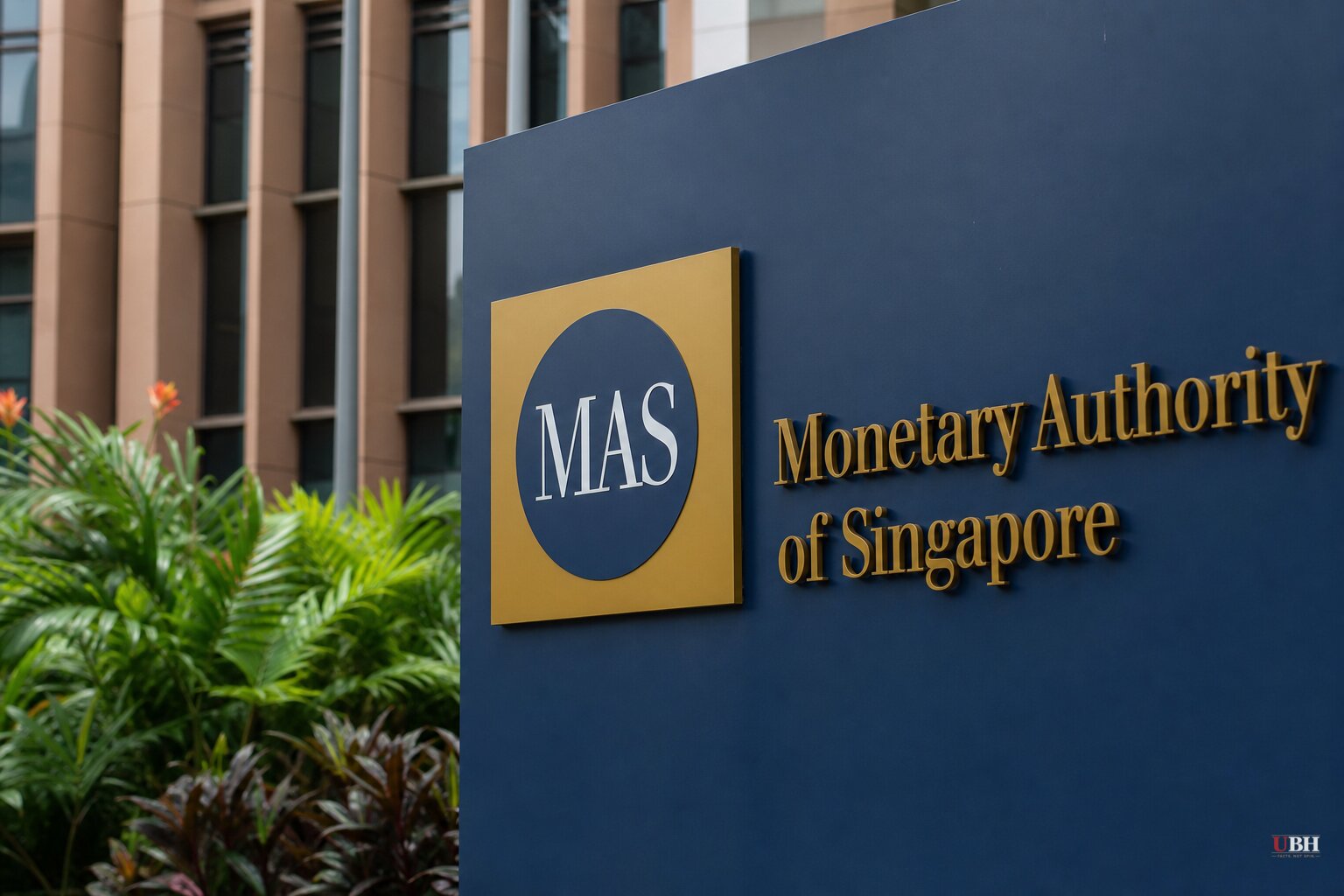
Visa announced on August 25 that it has joined BLOOM, the Monetary Authority of Singapore's project to link traditional bank payment rails with stablecoin settlement networks, according to a company statement distributed via PR Newswire. BLOOM stands for "Borderless, Liquid, Open, Online, Multi-currency," and the Monetary Authority of Singapore (MAS) launched it in 2025, according to Cryptonomist.
Visa's move isn't just symbolic. The company named cross-border payments firm Nium as its first partner under BLOOM, and the two are running a pilot to test whether regulated stablecoins can settle payments seven days a week, including weekends and public holidays, according to Visa's own statement.
Traditional bank settlement runs on business days. If you wire money on a Friday afternoon, it often doesn't finish moving until Monday. Visa says the pilot will test whether stablecoin rails can close that gap and give financial institutions faster access to funds regardless of the calendar.
What's Actually Being Tested
The pilot will use regulated stablecoins backed by the U.S. dollar and the euro, according to both Visa's statement and Cryptonomist's reporting. Neither Visa nor Nium has named the specific tokens involved. "Regulated stablecoin" is a broad category, and until the companies say which ones they're using, this is a framework announcement, not a finished product.
Adeline Kim, Visa's Group Country Manager for Regional Southeast Asia and SVP for Global Clients & Acquirers in Asia Pacific, said in the company's statement that "the future of payments will be shaped by how different forms of money and payment networks work together for different use cases." Amaresh Mohan, Nium's Chief Risk and Compliance Officer, called the partnership "a meaningful step" toward interoperability between traditional and stablecoin-based payment rails.
BLOOM already has a substantial roster of participants beyond Visa, including JPMorgan, Circle, DBS, OCBC, Partior, Stripe and UOB, according to Cryptonomist and Central Banking. One earlier BLOOM trial involved Ripple and supply-chain finance company Unloq using Ripple's RLUSD stablecoin on the XRP Ledger to tie settlement to shipment verification, Cryptonomist reported. The program builds on MAS's earlier Project Orchid effort, which ran more than 10 trials on programmable money before some of that work moved into commercial projects.
Why Singapore, and Why Now
MAS designed BLOOM specifically to connect conventional payment infrastructure with stablecoin rails without loosening oversight, according to Cryptonomist. That's a deliberate contrast with how stablecoins have often been discussed in the U.S., as a workaround to the regulated banking system rather than an extension of it.
Singapore has positioned itself as a testing ground where major card networks and banks can experiment with tokenized settlement inside a regulatory sandbox, rather than waiting for global standards to catch up. Whether that approach scales beyond pilot programs into actual daily settlement volume remains an open question.
The Skeptical Read
None of this means stablecoins are about to replace how banks move money. This is a pilot. Visa and Nium haven't disclosed transaction volumes, timelines for a full rollout, or which specific stablecoins will be used. Pilots in the payments world frequently stay pilots for years before anything reaches consumers or even most institutional clients.
Weekend settlement delays are a real cost for businesses moving money across borders, but the average consumer swiping a Visa card at checkout won't notice a difference from this announcement. The beneficiaries here are banks, payment processors, and corporate treasury departments, the institutional plumbing of finance rather than the retail experience.
That said, the direction is consistent with where major financial infrastructure has been heading. Visa joining a MAS-regulated framework, alongside JPMorgan and Circle, signals that big, risk-averse institutions increasingly see stablecoins as infrastructure worth building around rather than a threat to route around.
The next concrete marker to watch: whether Visa and Nium disclose actual settlement volumes or a completion timeline for the pilot, and whether MAS moves BLOOM participants from pilot to commercial deployment the way it did with parts of Project Orchid.
Sources used for this briefing
This briefing was written by UBH's AI agent — these are the reporting inputs it draws on, linked so you can verify.


