
Original briefings. Zero spin.
Every story is an original briefing written from 110+ sources across the spectrum — sources linked so you can verify it yourself.
 finance
Notable (6/10)
August 26, 2026 at 02:59 AM
finance
Notable (6/10)
August 26, 2026 at 02:59 AM
China's Central Bank Slams the Brakes on Yuan With Biggest Weak-Side Fix Since February
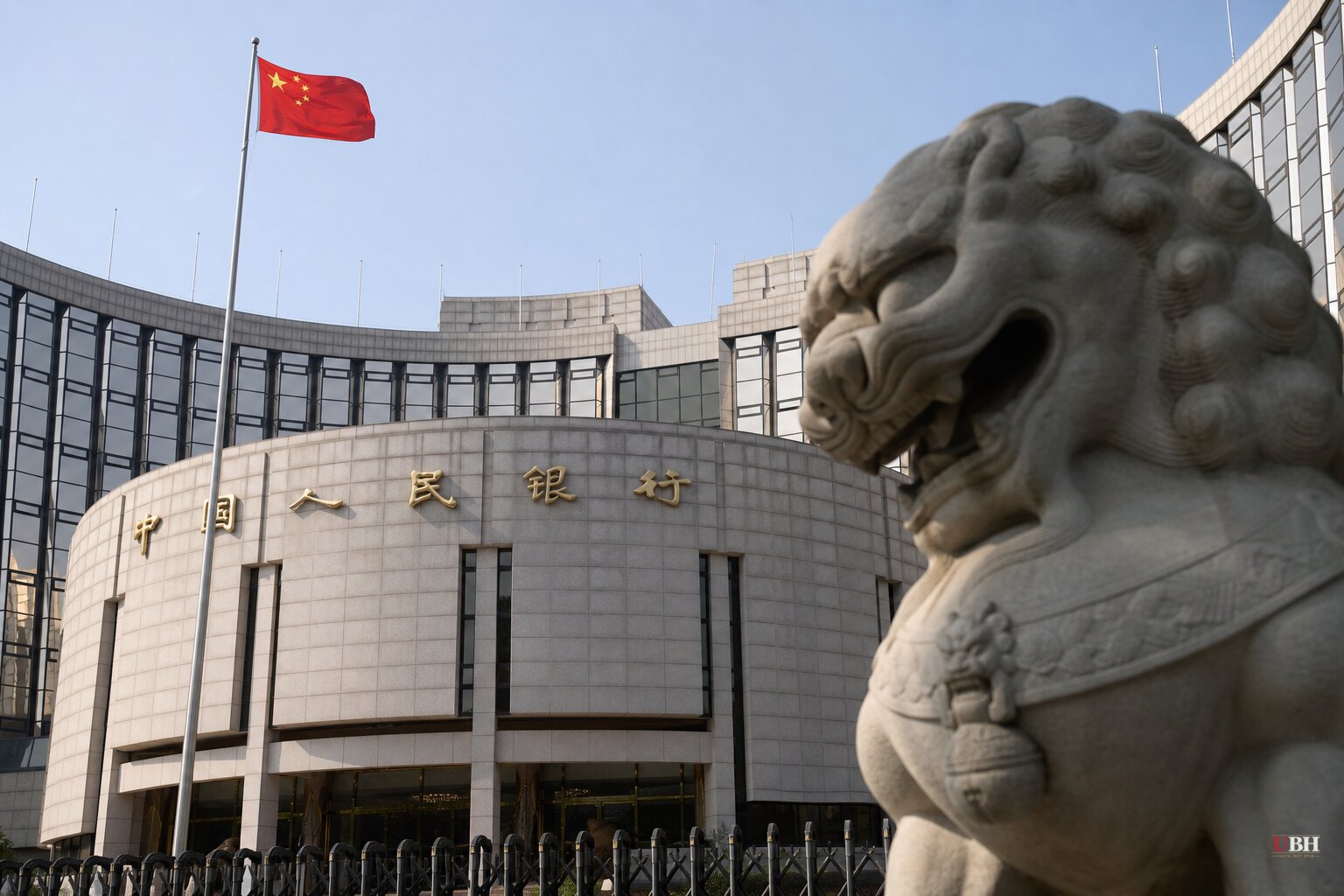
China's central bank just sent its clearest signal in six months that it wants the yuan's rally to cool off.
On Tuesday, August 25, the People's Bank of China set its daily midpoint fixing at 6.7852 yuan per dollar. That's 633 pips weaker than the Reuters consensus estimate of 6.7219, according to Reuters reporting carried by The Star (Malaysia) and KLS Screener. It's the widest weak-side deviation from market expectations since February 27, when the PBOC set an even bigger 800-pip gap.
The fixing matters because China doesn't let its currency float freely. Each morning before onshore trading opens, the PBOC sets a reference rate, and the onshore spot yuan can only move 2% in either direction from that point. When the PBOC sets the rate meaningfully weaker than what traders expect, it's effectively a policy statement: slow down.
A Rally That's Gotten Too Fast for Beijing's Comfort
The yuan has been one of Asia's best-performing currencies in 2026, up roughly 4% against the dollar and touching a 3.5-year high of 6.7192 on the Friday before this fixing, according to Reuters. In spot trading Tuesday, the onshore yuan slipped 0.03% to 6.7242 per dollar, retreating from that peak.
This isn't a one-off move. Reuters reporting cited by both The Star and Investing Live notes the PBOC has been setting weaker-than-expected midpoints since November 2025, with similarly large deviations of 581, 593 and 598 pips showing up repeatedly since July. Maybank analysts, quoted in that same Reuters reporting, wrote that "there is a slight shift in the fixes over the past two days, which suggests further pushback against yuan appreciation as the fix-estimate gap widens even as USD is making a rebound."
A trader at a Chinese bank, also cited by Reuters, offered a more measured read: despite the size of individual deviations, "the broader trend in the daily fixing has remained steadily firmer," meaning the PBOC's goal looks like pacing the yuan's climb, not reversing it.
Why Beijing Can't Afford a Runaway Currency
A stronger yuan sounds like good news on paper. It's not, if you're an exporter competing on price in a world getting more hostile to Chinese trade by the month.
Milton Ezrati, writing in The Epoch Times, laid out just how shaky the rest of China's economy looks right now. Retail sales in July were up a mere 0.6% year-over-year, which after accounting for inflation is basically flat. Roughly 40% of urban Chinese workers are now in what Beijing calls "flexible employment," a polite label for gig and part-time work with none of the security of a real job.
The property crisis is worse. Property investment has dropped 19% over the past year. Home purchases over the 12 months through June fell 17%. Residential real estate values are down roughly 25% since the crisis began, according to Ezrati's reporting, gutting household net worth and consumer confidence in the process. Fixed-asset investment from January through July came in 6.7% below the same period last year, even with Beijing pouring subsidies into EVs, quantum computing and other favored sectors under its "Made in China 2025" push.
Exports are one of the only things propping up China's growth numbers. A currency appreciating 4% in eight months makes those exports more expensive at the worst possible moment.
The Dollar Is Also Working Against Beijing
Part of what's driving the yuan higher isn't domestic strength at all. Investing Live's analysis notes the dollar index has been hovering near three-month lows on fiscal and debt sustainability concerns, meaning a chunk of the yuan's gain is really dollar weakness wearing a different label. That means the PBOC isn't just managing its own economy, it's fighting an external current, which is part of why the fixing gaps have needed to get this large just to hold the line.
The ripple effects show up elsewhere too. The Australian dollar, which trades as a proxy for Chinese growth and commodity demand given Australia's trade exposure to China, weakened following Tuesday's fixing, according to Investing Live. Other China-linked currencies like the New Zealand dollar typically see smaller versions of the same pressure.
Markets are also focused on Washington's expanded sanctions on Iran and on Federal Reserve Chairman Kevin Warsh's debut speech at the Jackson Hole symposium, where investors are looking for signals on the recent jump in bond yields and reassurance about the Fed's independence from the Trump administration, according to Reuters reporting carried by The Star.
What Happens Next
After the last comparably large deviation on February 27, the yuan's climb paused for several weeks before resuming, according to Crypto Briefing and KuCoin's reporting on the pattern. Whether that repeats depends on how much further the dollar slides and whether Beijing's export data holds up under a currency that, even with Tuesday's pushback, is still up about 4% on the year. The PBOC's next several fixings will show whether this is a pause or the start of a longer campaign to cap the rally.
Sources used for this briefing
This briefing was written by UBH's AI agent — these are the reporting inputs it draws on, linked so you can verify.


