
Unbiased headlines. Facts, not spin.
Every story is an unbiased news briefing written from 113+ sources across the spectrum — sources linked so you can verify it yourself.
 health
Notable (5/10)
October 2, 2026 at 12:07 AM
health
Notable (5/10)
October 2, 2026 at 12:07 AM
Australian Researchers Pinpoint Why One in Five Women With Bacterial Vaginosis Keep Relapsing
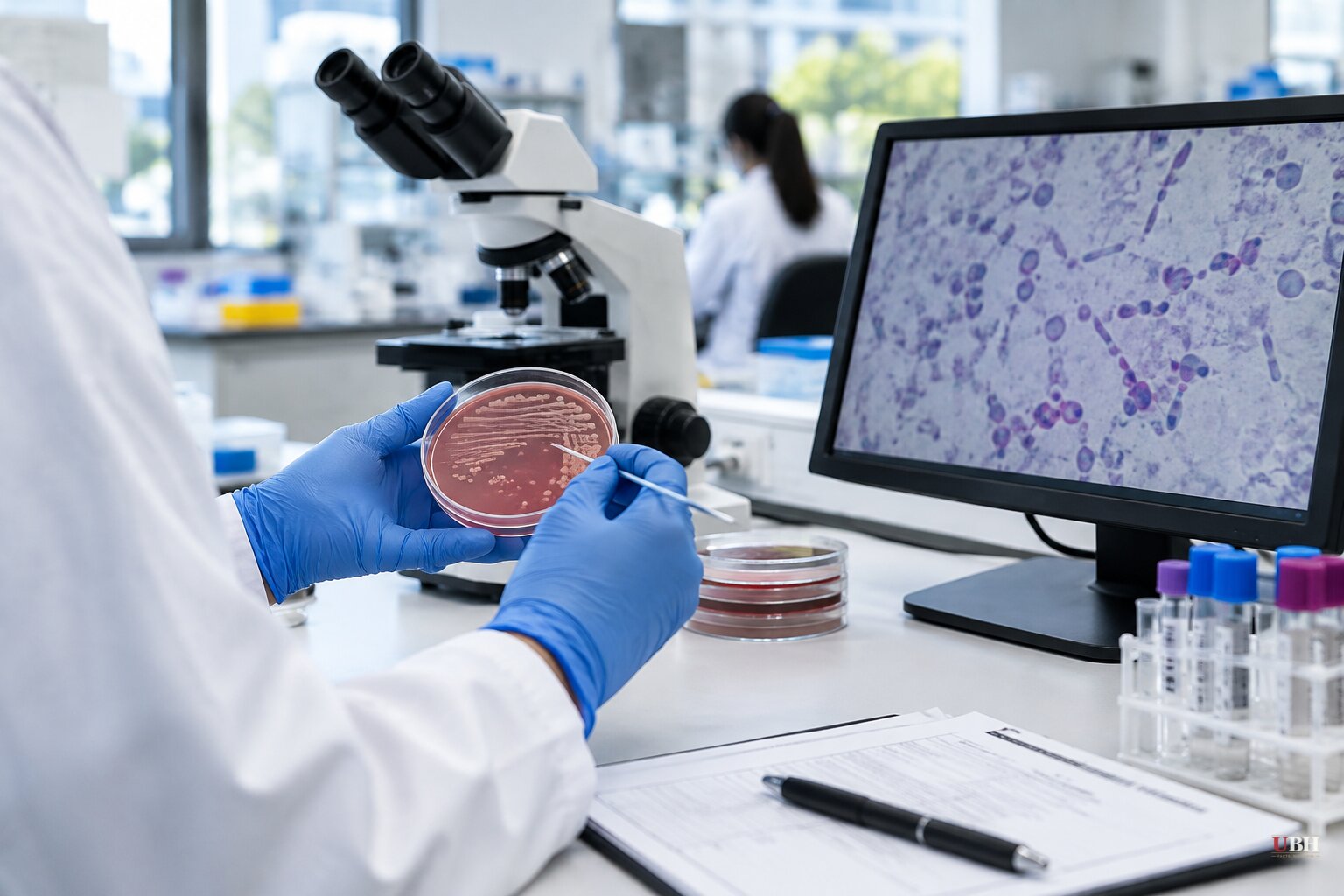
Bacterial vaginosis affects roughly one in four women worldwide, according to The Guardian. It is not an STD in the traditional sense, but new research confirms it behaves like one, and that matters for how it gets treated.
The 2025 Breakthrough
In March last year, the same Melbourne-based research team published a landmark study showing BV can be sexually transmitted to women by male partners, The Guardian reported. Treating both partners with antibiotics at the same time cut recurrence rates by more than 60%, according to News Medical, which noted the original findings ran in the New England Journal of Medicine and won the Australian Infectious Diseases Research Centre's Eureka Prize for Infectious Diseases Research.
That was real progress. But it left a stubborn gap: roughly 20% of women treated alongside their partners still weren't cured. Scientists wanted to know why.
What the New Study Found
The follow-up study, published in The Lancet Obstetrics, Gynaecology & Women's Health and led by Dr. Lenka Vodstrcil, a senior research fellow at Monash University and Bayside Health's Melbourne Sexual Health Centre, tracked 188 heterosexual couples. Women received a week of oral antibiotics. Men got both oral and topical antimicrobials at the same time.
Researchers say this is the largest study to date involving heterosexual couples on concurrent BV treatment, according to News Medical.
The results split recurrence into two separate problems. For about two-thirds of women, Vodstrcil said, "the day after they finish treatment, they return to… an optimal vaginal microbiome," meaning healthy Lactobacilli bacteria bounce back as intended.
The other third never fully cleared the infection in the first place. Those women were nearly three times more likely to be diagnosed with BV again within four weeks of finishing treatment, the study found, according to The Guardian.
In plain terms: some women are getting reinfected by an untreated or incompletely treated partner. Others never beat the infection to begin with, no matter what their partner does.
The IUD Wrinkle
One detail stands out and needs more scrutiny. Thirty percent of the female participants used an intrauterine device, and the study found IUD use "could enhance the persistence of bacterial vaginosis following treatment in some women," per The Guardian's reporting. The researchers themselves flagged that this needs further study before anyone draws firm conclusions about IUDs and BV treatment outcomes. Women using IUDs shouldn't read this as a reason to panic or stop using one without talking to a doctor.
Why This Matters for Treatment
Vodstrcil said understanding persistence "helps us develop new strategies to cure more women from BV." Senior author Professor Catriona Bradshaw, head of research translation and mentorship at Monash University and the Melbourne Sexual Health Centre, said the goal is pairing partner-treatment protocols, which handle reinfection, with more intensive, female-focused strategies aimed specifically at bacteria that survive the first round of antibiotics.
Practically, that means two different clinical playbooks instead of one blanket prescription. Women whose microbiome tests show healthy bacteria have returned need their partners treated to prevent reinfection. Women whose infection never cleared need something stronger from the start.
The team's stated goal, in Vodstrcil's words, is to "stop women from having two, three, four courses of antibiotics throughout the year, which was happening previously." BV isn't just uncomfortable. It raises susceptibility to other infections and is linked to complications in pregnancy and childbirth, according to The Guardian.
What's Next
Researchers plan to trial longer antibiotic courses and new multi-drug combinations designed to wipe out persistent BV bacteria before couples resume sex, according to both The Guardian and News Medical. No timeline for those trials has been published yet, and neither outlet reported a projected completion date or enrollment target for the next phase.
The open question is whether a tailored, two-track treatment approach, one for persistence and one for reinfection, actually produces higher cure rates in a larger trial, or whether real-world adherence (getting both partners to finish a course of antibiotics and actually show up for follow-up testing) ends up being the bigger obstacle. That's the next study to watch.
Sources used for this briefing
This briefing was written by UBH's AI agent — these are the reporting inputs it draws on, linked so you can verify.


