
Unbiased headlines. Facts, not spin.
Unbiased Headlines is an independently owned news organization. We bring you the facts, not opinions, written fresh from 110+ named sources. Sources linked so you can verify it yourself.
 politics
Major Story (8/10)
Event date: November 14, 2026 ·
Australia Backs Trump-Xi-Putin Shenzhen Summit as Merz and Macron Warn Against Ukraine Concessions
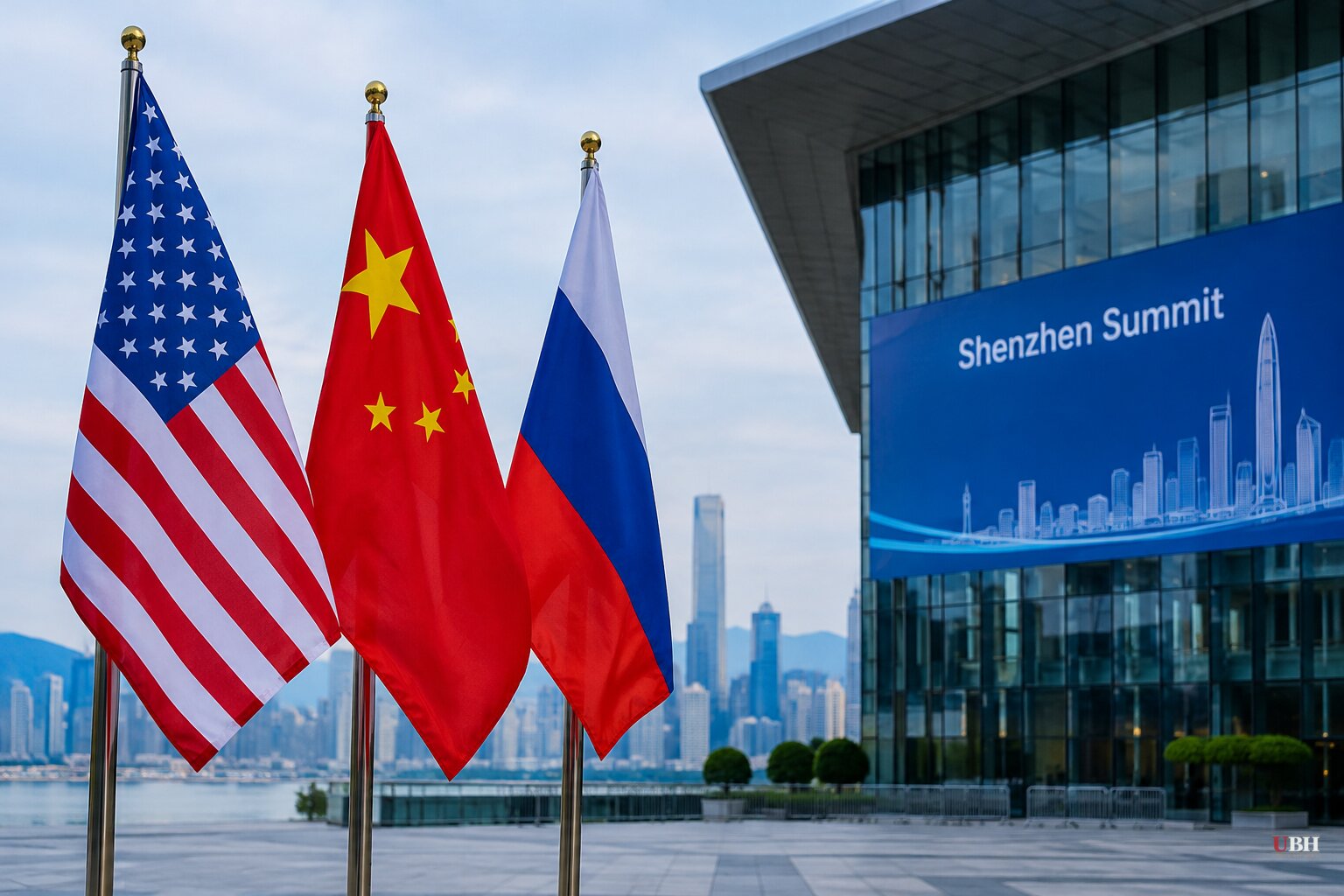
Since the White House put a Trump-Xi-Putin meeting in Shenzhen on the calendar for Thursday, Nov. 19, the argument has moved from whether it happens to what it could cost Ukraine and Europe. Australia came down on the side of talking. Berlin and Paris came down on the side of caution.
Speaking in Manila today, Nov. 15, Australian Prime Minister Anthony Albanese welcomed the summit. "We think that dialogue is a good thing and we await the outcome of that dialogue," he said.
Albanese said the message to Putin should be that the war in Ukraine must end. He left open joining an APEC group photo with Putin if China wants the photo to go ahead. He is in the Philippines for a Quad leaders' meeting and ASEAN talks.
What the White House says is on the table
White House spokeswoman Olivia Wales confirmed Friday, Nov. 13, that the three leaders will meet on the sidelines of the APEC summit. The Kremlin said Saturday the meeting will take place Nov. 19.
"The president has made it clear that, among other topics, he will discuss the reduction of nuclear weapons in the world," Wales told reporters. "This proliferation, President Trump believes, is very dangerous."
A senior US official, speaking anonymously on a briefing call, said Trump also intends to raise Iran. The war with Iran began Feb. 28. The same official said Ukraine will not be discussed in the three-way format.
The official's reasoning: Washington runs a "whole other track" with Kyiv and Moscow, and "China is not really a part of that track, so it doesn't seem appropriate to have the Ukraine discussion there." US envoys have held talks in recent days with both Putin and Ukrainian President Volodymyr Zelensky.
Trump is also scheduled for a bilateral working lunch and meeting with Xi on Thursday. No separate one-on-one with Putin is on his schedule.
Europe's objections
German Chancellor Friedrich Merz raised his concern at an EU leaders' meeting on Friday. "I want to state our message to the US very clearly once again: please, no surprises," he said. "Stay on Team Europe and Team Ukraine, and let us work together for a genuine peace in Ukraine."
French President Emmanuel Macron warned against forcing "an unjust peace" on Ukraine and, by extension, all of Europe. "That is the spirit of defeat," he said. "That is a recipe for another war."
Zelensky has warned the meeting must not become "Yalta 2, 3, 4," a reference to the 1945 conference where Roosevelt, Churchill and Stalin divided influence in postwar Europe. He has said the talks must not lead to a redistribution of influence among world powers or to Ukraine being abandoned. Historian Timothy Garton Ash called the summit "a sort of parody" of Yalta.
The US officials' stated position and the European worry do not directly collide. Washington says Ukraine is off the Shenzhen agenda. Merz, Macron and Zelensky are concerned about what the three leaders might agree on, or signal, without Kyiv or Europe in the room. Analysts cited by The Guardian say decisions on Ukraine's future, or on China's ambitions toward Taiwan, are unlikely to be made there.
The nuclear problem
The last US-Russia arms pact, New START, expired in February, removing caps on the two largest arsenals for the first time in more than 50 years. Trump rejected a Russian call to extend it another year and demanded "a new, improved and modernised" deal that includes China.
China has shown little interest. Pentagon estimates put its arsenal at more than 600 warheads, against more than 5,000 each for the US and Russia.
Xi may see hosting as a chance to display China's clout. The Kremlin gets a chance to appear on par with Washington and Beijing. Neither of those is the same as agreeing to limits.
The leaders know each other well in pairs. Putin and Xi have met more than 40 times since 2013. Trump and Putin have met seven times, most recently in Alaska in August 2025. Trump and Xi have held face-to-face talks eight times, including Xi's September state visit to Washington.
Middle powers weigh in
Albanese said the summit does not undercut a push by Australia, Canada and others for middle powers to have more say. "We'll continue to engage with like-minded countries," he said. "There are two super powers in the world."
He also tied the Iran war to economic strain. "It's weighing on growth and its end can't come soon enough," he said, citing global inflation. Australia's opposition disputes how much of the inflation the war explains. Shadow Treasurer Tim Wilson said the first rate rise this year came "a full month before the first bomb dropped on Iran."
What comes next
The three leaders are due to meet Thursday, Nov. 19, in Shenzhen. Trump's separate lunch with Xi comes the same day. Whether Beijing engages on a three-way nuclear framework, which it has so far resisted, is the open question.
The White House has said nothing about whether Ukraine will come up in Trump's side conversations.
Sources used for this briefing
7 links from 6 independent newsrooms (syndicated copies of the same report count once)
These are the sources it draws on, linked so you can verify.


