
Unbiased headlines. Facts, not spin.
Unbiased Headlines is an independently owned news organization. We bring you the facts, not opinions, written fresh from 110+ named sources. Sources linked so you can verify it yourself.
 politics
Major Story (7/10)
Event date: November 12, 2026 ·
Ethiopia's Army Chief Blames Eritrea and Egypt for Tigray Offensive, Says Forces Repelled It
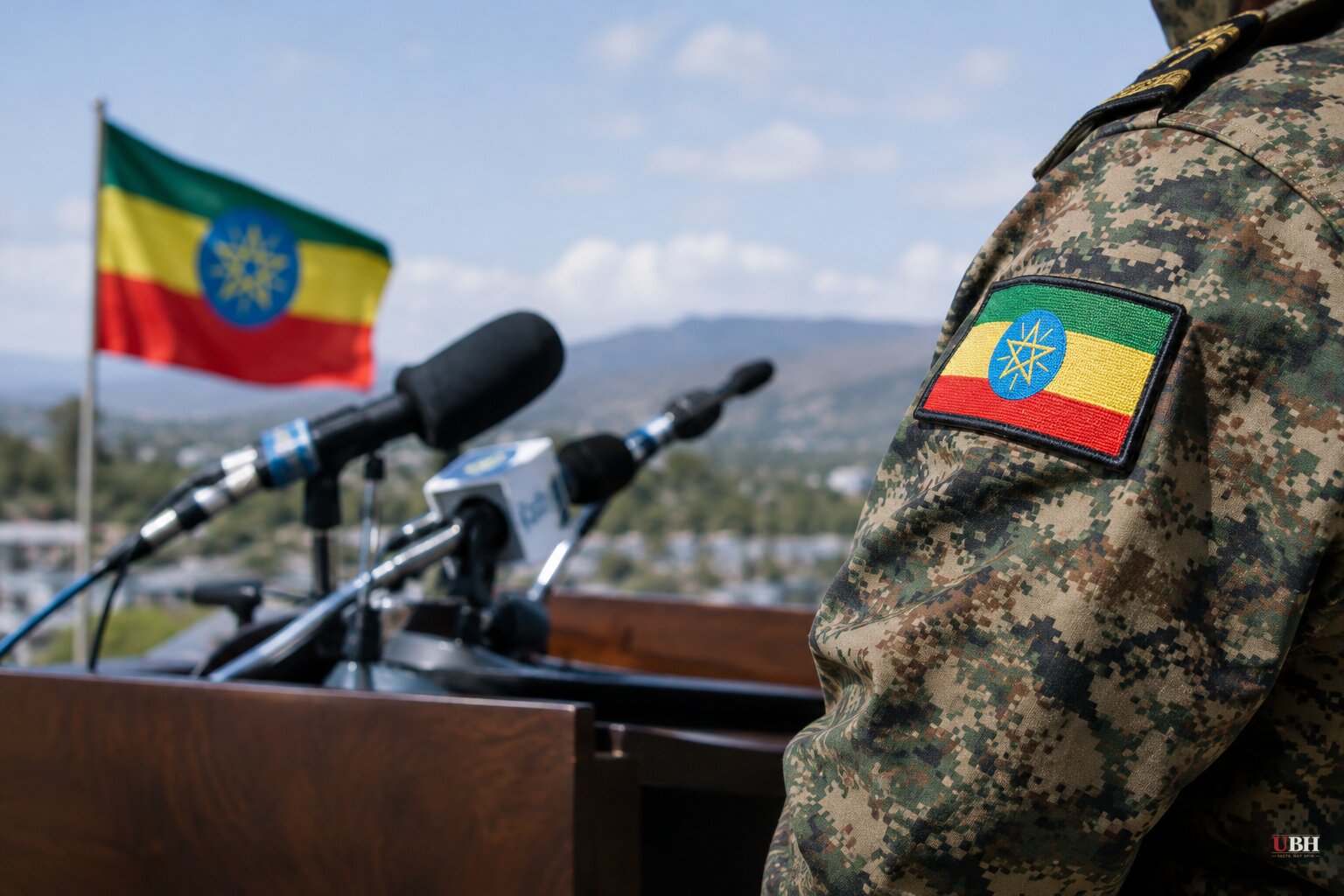
Since fighting resumed in Tigray in early August, Ethiopia's confrontation with its neighbors has moved from rebel skirmishes toward a regional dispute. The newest escalation came today, Nov. 14, from Ethiopia's army chief.
He said Eritrea led a military offensive involving the Tigray People's Liberation Front (TPLF), with Egypt providing logistical support and supplies. He said Ethiopian forces repelled the attacks and that retreating TPLF leaders fled to Eritrea. Those are the Ethiopian military's claims. Eritrea, Egypt and the TPLF have not been quoted in response to this specific account.
What Addis Ababa had already alleged
The army chief's statement follows a week of accusations aimed at several neighbors at once.
On Nov. 11, Prime Minister Abiy Ahmed's Horn of Africa adviser, Getachew Reda, told UN Secretary-General's Special Envoy Guang Cong that Eritrea and Sudan are supporting armed groups inside Ethiopia, including through repeated drone attacks. Ethiopia has named Eritrean President Isaias Afwerki and Sudan's army chief, Gen. Abdel Fattah al-Burhan, as backers, arming and coordinating those groups.
In early October, Ethiopia broke diplomatic ties with Eritrea and expelled an Egyptian diplomat. Ethiopia has since accused Eritrea of moving troops into Tigray. Eritrea denied it and framed the accusation as a declaration of war.
Sudan is now part of the dispute
The Sudan front opened this month. A barrage of drones hit power stations controlled by the Sudanese Armed Forces (SAF). The SAF believes its rival, the Rapid Support Forces, fired from Ethiopian soil.
On Nov. 4, Ethiopia closed Sudan's consulate in Assosa and ordered six Sudanese diplomatic staff out within 48 hours, a senior Ethiopian official said. The next day, Sudan closed Ethiopia's consulate in Gedaref and expelled its diplomats.
Al-Monitor reported that analysts see strong reasons for both governments to avoid a direct war, since each is already struggling with its own internal conflict. Both sides, however, keep backing the other's adversaries.
The violence is also happening inside Ethiopia. Residents told Addis Standard that more than 65 people, including regional security forces and at least 27 civilians, were killed on Nov. 9 in an armed attack in Dalati locality of Buldiglu Woreda, Assosa Zone, in Benishangul-Gumuz.
An alliance and a competing story
A Nov. 6 Congressional Research Service report says eight opposition groups have formed an armed alliance against Abiy's government. The TPLF and six other groups announced the Alliance for Survival on Sept. 20.
The CRS says Ethiopia and Eritrea have traded allegations for more than a year. Eritrea asserts that landlocked Ethiopia wants war as a pretext to seize sovereign access to the sea. Ethiopia accuses Eritrea and Egypt of waging a proxy conflict through rebel groups. The CRS concludes that both countries appear to be preparing for war.
The TPLF disputes Addis Ababa's political plan too. Abiy has announced a caretaker government for Tigray and pledged elections there within six months. The TPLF has rejected that authority as illegitimate.
Washington's footprint
The Trump administration's posture has shifted toward Addis Ababa and away from aid, according to the CRS. It waived Child Soldiers Prevention Act restrictions in March and ended the U.S. arms embargo left over from the earlier war.
The Ethiopia-related national emergency lapsed after the Treasury's Office of Foreign Assets Control said it was not continued beyond Sept. 17. Sanctions on Eritrea's military and ruling party ended with it. Ethiopia's Temporary Protected Status termination took effect Aug. 18.
Secretary of State Marco Rubio has said, "The last thing the world needs right now is another war." A group of Democratic senators sent Rubio a second letter on Nov. 11 urging intensified American diplomacy to prevent renewed fighting.
Why the stakes are bigger than Tigray
The 2022 Pretoria agreement ended the 2020-2022 war but was not a comprehensive peace deal. Eritrean and Amhara forces were not party to it, and the federal government did not enforce their withdrawal. Up to 800,000 people remained displaced, according to the CRS.
The Brookings Institution warns that a third Ethiopian-Eritrean war could merge the region's overlapping conflicts, from Sudan to Yemen and Somalia, into one fight on both sides of the Red Sea. The CRS adds that an aid system already stretched by cuts would struggle to absorb it.
The near-term test is whether Eritrea or Egypt answers the army chief's claims, and whether Abiy holds his six-month Tigray election window while the TPLF rejects his caretaker government outright.
Sources used for this briefing
6 links from 6 independent newsrooms (syndicated copies of the same report count once)
These are the sources it draws on, linked so you can verify.


