
Unbiased headlines. Facts, not spin.
Unbiased Headlines is an independently owned news organization. We bring you the facts, not opinions, written fresh from 110+ named sources. Sources linked so you can verify it yourself.
 politics
Notable (6/10)
Labor Department Inspector General Warns of More H-1B and PERM Suspensions as Grace-Period Proposal Draws 31,000 Comments
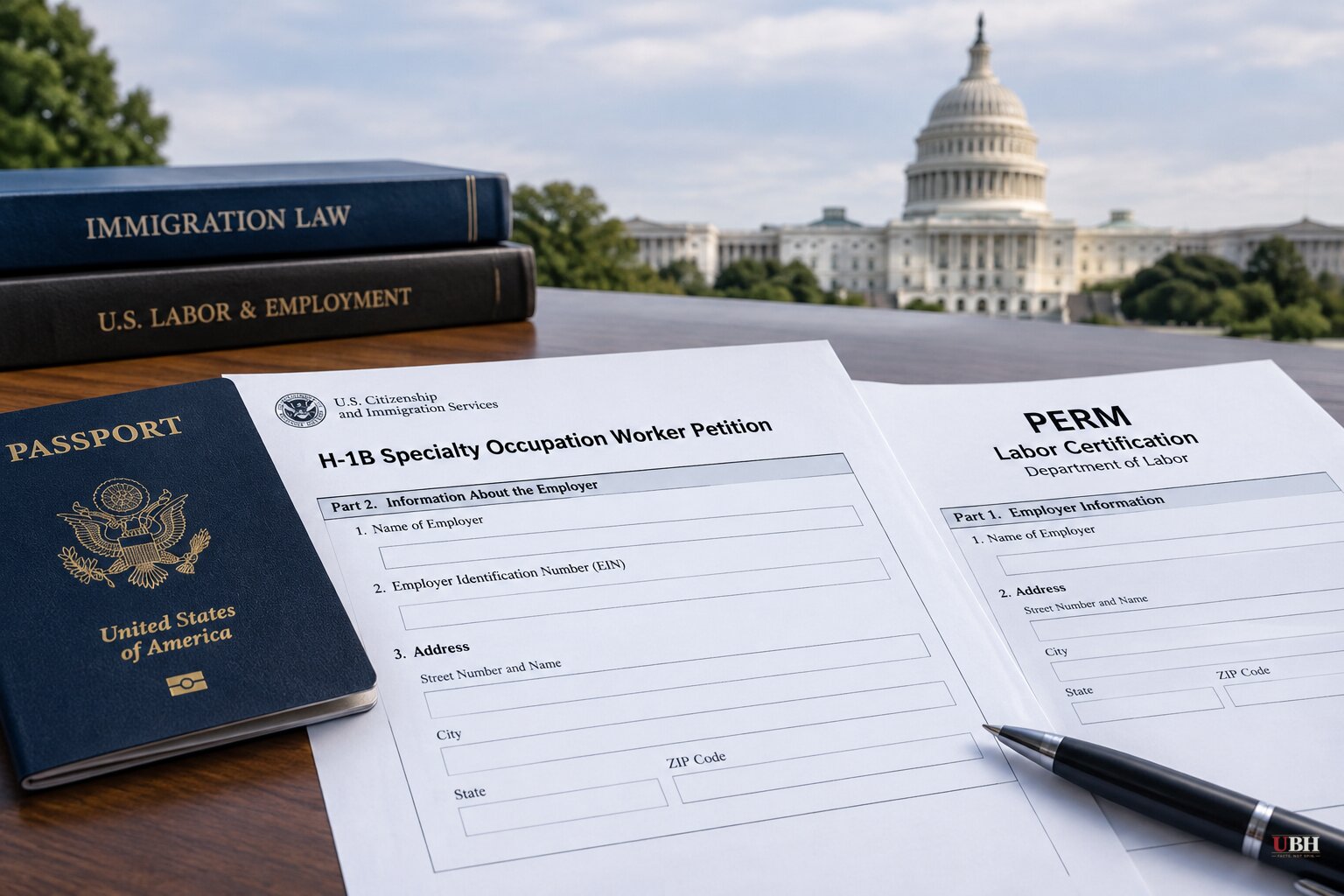
The H-1B crackdown is entering its second year with no sign of slowing.
In a video message shared Friday, Nov. 13, Labor Department Inspector General Anthony D'Esposito said "some more colleges, some more companies" will be suspended from the PERM labor certification process and the H-1B program. He named no institutions or businesses and gave no date.
"We're going to continue to be as aggressive as we possibly can in our investigations and we are going to continue to hold these individuals accountable," D'Esposito said. His office said it is working with Vice President JD Vance's White House Fraud Task Force.
A year of rule changes
It began in September 2025, when the administration introduced a $100,000 fee for certain new H-1B petitions. A White House spokesperson has said the fee is meant to focus sponsorship on "truly highly specialized temporary labor." A USCIS spokesperson said the goal is to ensure employment-based visa programs "supplement, not supplant American workers."
Since then the changes have reached student visas and green card sponsorship. Business Insider, which spent the year interviewing more than two dozen H-1B holders and hopefuls, reports that many were wary of being identified during the immigration crackdown.
In July, the Labor Department's Office of Inspector General announced a nationwide investigation into alleged fraud and human trafficking in the H-1B and PERM systems. Investigators said they were examining claims that employers and labor brokers filed fraudulent applications, ran coercive wage-kickback arrangements and used below-wage labor to undercut U.S. workers.
Those are allegations. The office has not announced the results of the probe.
Microsoft in the crosshairs
On Oct. 8, Vance announced that companies seen as using the green card pathway to hire cheap labor and undercut American workers would lose access to PERM. Microsoft, Adobe and Cognizant were the leading names at that press conference. Reports of the October action also list Infosys, Tata Consultancy Services, Wipro, HCL Technologies and Capgemini among the suspended.
Vance said he backs Microsoft's efforts to thrive in the U.S., including its investments in the tech sector. The administration's objection centers on layoffs paired with visa filings.
Microsoft cut roughly 16,000 jobs worldwide in 2025. USCIS data for fiscal 2025 shows it was approved for 6,258 H-1B petitions, some of them renewals for existing visa holders. It had about 4,700 approvals the year before.
"Layoffs while pursuing H-1B visas raise serious red flags. Our investigation remains active. We follow the evidence, not corporate excuses. American workers come first," D'Esposito told Newsweek on Friday.
That statement followed a jab he posted on X after a Nov. 12 outage knocked out Outlook, Teams, Copilot and other Microsoft 365 services. "Microsoft can process 6,000 H-1B applications, but processing your inbox is apparently a tougher assignment," he wrote.
Microsoft attributed the outage to "a technical issue not related to cyber or AI/agents." A company spokesperson told Newsweek: "The service disruption was not related in any way to our immigration program." No charges against Microsoft have been announced.
The grace-period proposal
A separate fight is playing out in the federal rulemaking process. DHS published a proposed rule on Sept. 11 to eliminate the 60-day grace period that lets laid-off H-1B workers find a new employer, change status or leave the country. The same protection covers L-1, O-1 and TN workers and their dependents.
As of Tuesday night, Nov. 10, the proposal had 31,383 posted public comments, up from about 27,000 on Nov. 2.
DHS argues that temporary status should stay tied to the job that qualified a worker for admission. It says the grace period is not required by statute and adds administrative work for immigration officers. The department says officers had to decide whether the provision applied in more than 1.9 million petitions and applications filed between October 2017 and May 2026.
DHS's own numbers frame the scale. Using revoked petitions as a proxy, it estimates an average of 65,752 foreign workers a year lost or changed jobs from fiscal 2021 through 2025. About 3,795 a year had a new employer file a petition during the grace period.
The department acknowledges the cost to workers: lost income, relocation expenses and possible removal proceedings.
Indian nationals would feel it most. USCIS data in its fiscal 2025 report to Congress shows about 70% of the 406,348 approved H-1B petitions involved people born in India. Chinese nationals made up about 12%.
What comes next
DHS has not said when it will issue a final rule on the grace period, and the comment tally is still climbing. D'Esposito has not said which colleges or companies are next for suspension, or when. Both decisions will determine whether employers and workers get any lead time before the next set of rules lands.
Sources used for this briefing
6 links from 4 independent newsrooms (syndicated copies of the same report count once)
These are the sources it draws on, linked so you can verify.


