
Unbiased headlines. Facts, not spin.
Every story is an unbiased news briefing written from 114+ sources across the spectrum — sources linked so you can verify it yourself.
 economy
Major Story (7/10)
October 11, 2026 at 12:31 PM
economy
Major Story (7/10)
October 11, 2026 at 12:31 PM
At least 109 dead, more than 116 missing after migrant boat capsizes off Djibouti
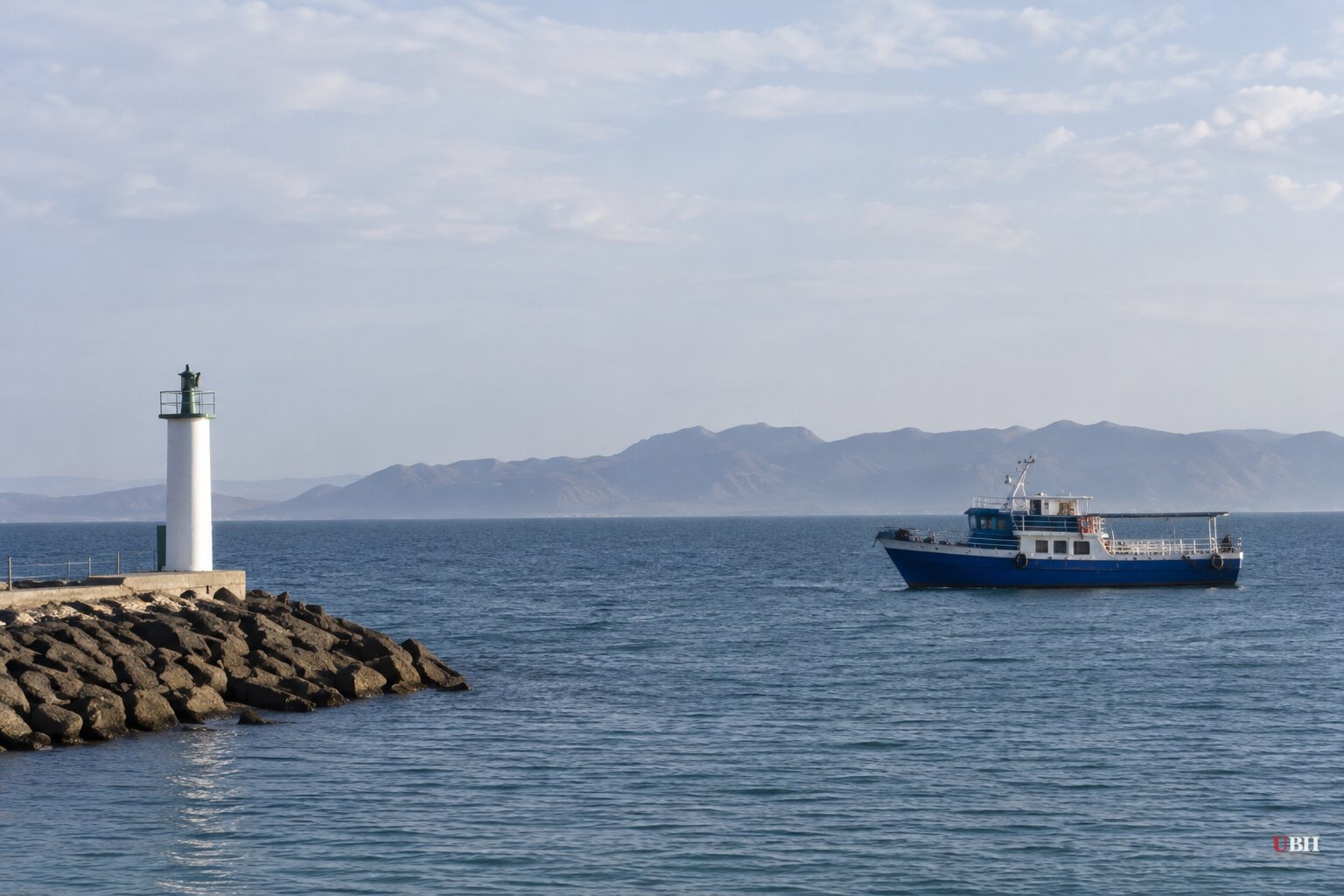
At least 109 people are dead and more than 116 remain missing after a boat bound for Yemen capsized off Djibouti during the night of Oct. 8-9, the International Organization for Migration (IOM) said Sunday, Oct. 11.
Survivors told the IOM the vessel went over near Guhere, north of the fishing town of Obock, on Djibouti's eastern coast facing the Gulf of Aden. The IOM called it the deadliest shipwreck off the country.
The toll
Among the bodies recovered were 52 men, 42 women, and 15 children: nine girls and six boys, according to the IOM.
More than 80 people survived, and all of them are Ethiopian nationals. The IOM is treating 64 of them at its migrant response centre in Obock, with healthcare, psychosocial support, food, shelter, and help restoring contact with relatives.
Passenger counts differ across reports. The Guardian and The Daily Jagran put the number aboard at 305, while BBC, India Today and France 24 report around 350. Al Jazeera says more than 300 people were on board.
Djiboutian authorities are continuing search and rescue operations, providing medical care to survivors, and arranging burials for the dead, the IOM said.
"This is a devastating loss of life," said Alexandre Coissac, the IOM's chief of mission in Djibouti. "Our thoughts are with the survivors and the families who have lost loved ones or remain without news of their relatives."
Coissac called the sinking a "stark reminder of the dangers faced by migrants along this migration corridor as they seek economic opportunities."
A route that keeps killing
The crossing runs over the Bab el-Mandeb Strait, which is about 20 kilometres (12.4 miles) wide at its narrowest. Tens of thousands of people from the Horn of Africa make the trip each year, mostly Ethiopians and Somalis, heading for Saudi Arabia and other Gulf states.
The IOM says poverty, insecurity, and the growing impacts of climate change push people onto the route. Some have been displaced by conflict or natural disasters, and others are looking for work.
The numbers are grim. More than 900 people died or went missing on the route in 2025, according to the IOM's Missing Migrants Project, while the number attempting the journey rose 18%. Al Jazeera, citing the agency, put last year's attempted crossings into Yemen at more than half a million.
This is not the first mass-casualty sinking this year. In March 2026, nine people died and 45 went missing when another migrant boat capsized. The Guardian reports that smugglers cram people onto boats in the Red Sea and the Gulf of Aden, and that others on the route die walking long distances in extreme heat.
Flows continue despite war
The destination country is in the middle of a war. Yemen's civil war has lasted more than a decade, and fighting resumed last month between government forces and Houthi fighters. Houthi fighters and Saudi-backed government forces are battling for strategic heights on the Red Sea coast.
The IOM's Displacement Tracking Matrix has recorded more than 20,000 movements from Ethiopia into Djibouti since Sept. 10. At the same time, traffic is also flowing the other way. Onars, Djibouti's office for assistance to refugees and disaster victims, says more than 3,800 people have crossed from Yemen into Djibouti to seek protection since the renewed fighting.
So Djibouti is both a departure point for migrants heading into a war zone and a refuge for people fleeing it.
What is still unknown
The full circumstances of the capsizing were not immediately clear. The IOM's account rests on survivor testimony. A spokesperson for the Ethiopian government did not immediately respond to requests for comment.
More than 100 people remain missing, and Djiboutian crews are continuing their search. The IOM says it is working with local authorities to "prevent deaths at sea and on land."
Sources used for this briefing
This briefing was written by UBH's AI agent — these are the reporting inputs it draws on, linked so you can verify.


