
Unbiased headlines. Facts, not spin.
Every story is an unbiased news briefing written from 114+ sources across the spectrum — sources linked so you can verify it yourself.
 economy
Notable (6/10)
Event date: October 8, 2026
economy
Notable (6/10)
Event date: October 8, 2026
Healey Plans Temporary Energy Help and Faces Tax Choices in Oct. 28 Budget as Gilt Yields Hit 19-Year Highs
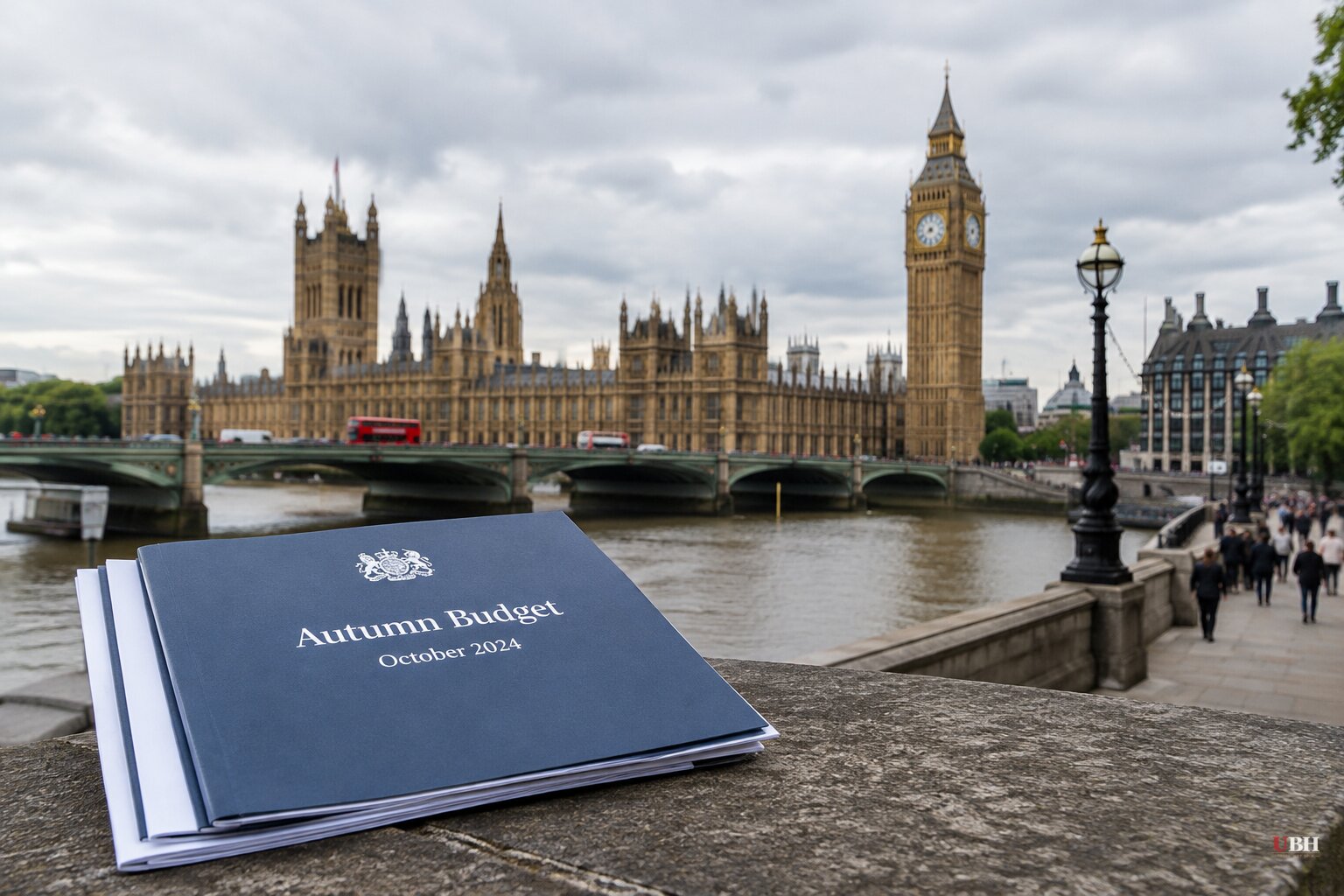
John Healey will deliver his first budget as chancellor on Oct. 28. He has two jobs that pull against each other: ease the cost of living for voters and calm a bond market that has pushed UK borrowing costs to levels not seen in decades.
The numbers explain the squeeze. Ten-year gilt yields passed 5.29% on Sept. 2, a 19-year high, and reached 5.378% by Sept. 10, the highest since July 2007. Thirty-year yields have since hit their highest level since 1998.
The cushion has shrunk
Rachel Reeves left a financial buffer of £23.6bn at her Spring Statement in March. Deutsche Bank has calculated that higher borrowing costs and inflation have wiped out £15bn of it. That would leave Healey with £8.5bn unless he brings forward new tax and spending measures.
The Treasury has been asking investors how they would react to a smaller cushion. Officials have been told that avoiding inflationary policies and showing a clear commitment to cutting borrowing matter more than the size of the headroom, according to the Telegraph. One person told the Financial Times that a £15bn buffer might now be acceptable to the Treasury, and another suggested closer to £20bn.
The rule Healey must meet requires the current budget to be in surplus and public sector net financial liabilities to be falling as a share of GDP by the year ending March 2030. Those liabilities stood at £2.7tn, or 84.5% of GDP, at the end of June 2026.
Short-term help, with an expiry date
Healey wants extra energy-bill support this winter, including through the existing warm homes discount, according to people familiar with the plans. The spending is designed to expire before 2029-30, when the main fiscal rule bites, so it would leave his key target largely unaffected, those people said.
A separate energy subsidy costing more than £1bn, aimed mostly at lower-income households, is also under consideration, the Guardian reported on Oct. 6. That is smaller than the support packages earlier governments offered in recent years.
Fuel duty is another decision. An emergency cut introduced after Russia's full-scale invasion of Ukraine expires in January. No government has raised fuel duty since 2011, and Healey hinted last month that he might stop a rise, saying he was conscious of the pressure it would put on people.
Where the tax rises could land
Reuters reports that Healey is expected to raise taxes to rebuild some room for manoeuvre. The Treasury has examined higher taxes on banks, property and gambling companies.
The Times reported on Sept. 18, citing two government sources, that Healey is weighing extending the mansion tax to homes worth more than £1.5m, down from a £2m threshold. That would more than double the number of affected homes to about 271,000, the Times said.
Bank chiefs met Healey on Oct. 6 and left with no clear sense of whether he will increase the windfall tax on the sector.
Healey also said in a recent interview that "we have the lowest capital gains tax of any European G7 nation", which set off speculation that the tax will rise. No decision has been announced.
On the spending side, Burnham has promised to give local authorities more power. Bloomberg reported on Oct. 2 that mayors could receive a 20% share of growth in local business-tax revenue.
Healey's argument and the opposition's
Healey has framed discipline as the priority. In a Sept. 7 speech in Coventry he said, "there's nothing progressive about the government spending £1 in £10 on debt interest." Debt interest reached £106bn in 2024/25, or 3.6% of GDP. He told Labour conference that failing to balance the books is "not progressive", and said he and the prime minister are "in lockstep" on meeting the fiscal rules.
He has blamed successive Conservative governments for the rise in debt and pointed to what he called a "Truss penalty" that Britain has paid since 2022.
Robert Jenrick, Reform's Treasury spokesman, says the arithmetic points one way. "The Chancellor started the year with £23billion of headroom. The bond market has eaten half of it," he said in a Westminster speech. He argues that Labour's manifesto rules out raising income tax, National Insurance or VAT, while Healey has a care service to create, benefits to pay for and a defence uplift to fund. Jenrick predicts "a £30billion tax bombshell".
He also accused Burnham of treating pensioners as "an easy target" after the prime minister announced plans to water down the state pension triple lock. Jenrick said Wes Streeting and Louise Haigh have both called for capital gains tax to rise.
The £30bn figure is Jenrick's forecast. Healey has not put a number on any tax package.
Political pressure inside Labour
Burnham has signalled he wants to avoid steep rises. "We have had two budgets in 2024 and 2025, and we have to be conscious of the extent to which we have raised revenue," he said in New York. "We have to make sure we get the balance right."
David Miles of the Office for Budget Responsibility has warned there is a limit to how high taxes can go before they weaken incentives to work. On current policy, he said, it is "very likely not" going to be alright for decades to come.
Inside government, Downing Street is leaning on what it calls "everyday fixes": small cost-of-living measures such as rules on car-parking apps and unbranded school uniforms. Labour insiders told the Guardian they worry the approach could look "twee" without a bigger structural plan. One said: "If voters aren't better off by the next election, we're screwed."
Healey is counting on the Iran war ending to ease the pressure on borrowing costs, according to people familiar with his thinking. The Treasury has not said what it will do if it does not.
The next fixed point is Oct. 28, when the Treasury will have to show whether it is choosing a thinner buffer, bigger tax rises or a mix. The fuel duty cut expires in January, so that decision cannot wait long after the budget.
Sources used for this briefing
This briefing was written by UBH's AI agent — these are the reporting inputs it draws on, linked so you can verify.


