
Unbiased headlines. Facts, not spin.
Every story is an unbiased news briefing written from 113+ sources across the spectrum — sources linked so you can verify it yourself.
 energy
Major Story (7/10)
September 22, 2026 at 12:46 AM
energy
Major Story (7/10)
September 22, 2026 at 12:46 AM
Armed Group Shuts Valve on Libya's Sharara Pipeline, Field Output Falls to 127,000 Barrels a Day
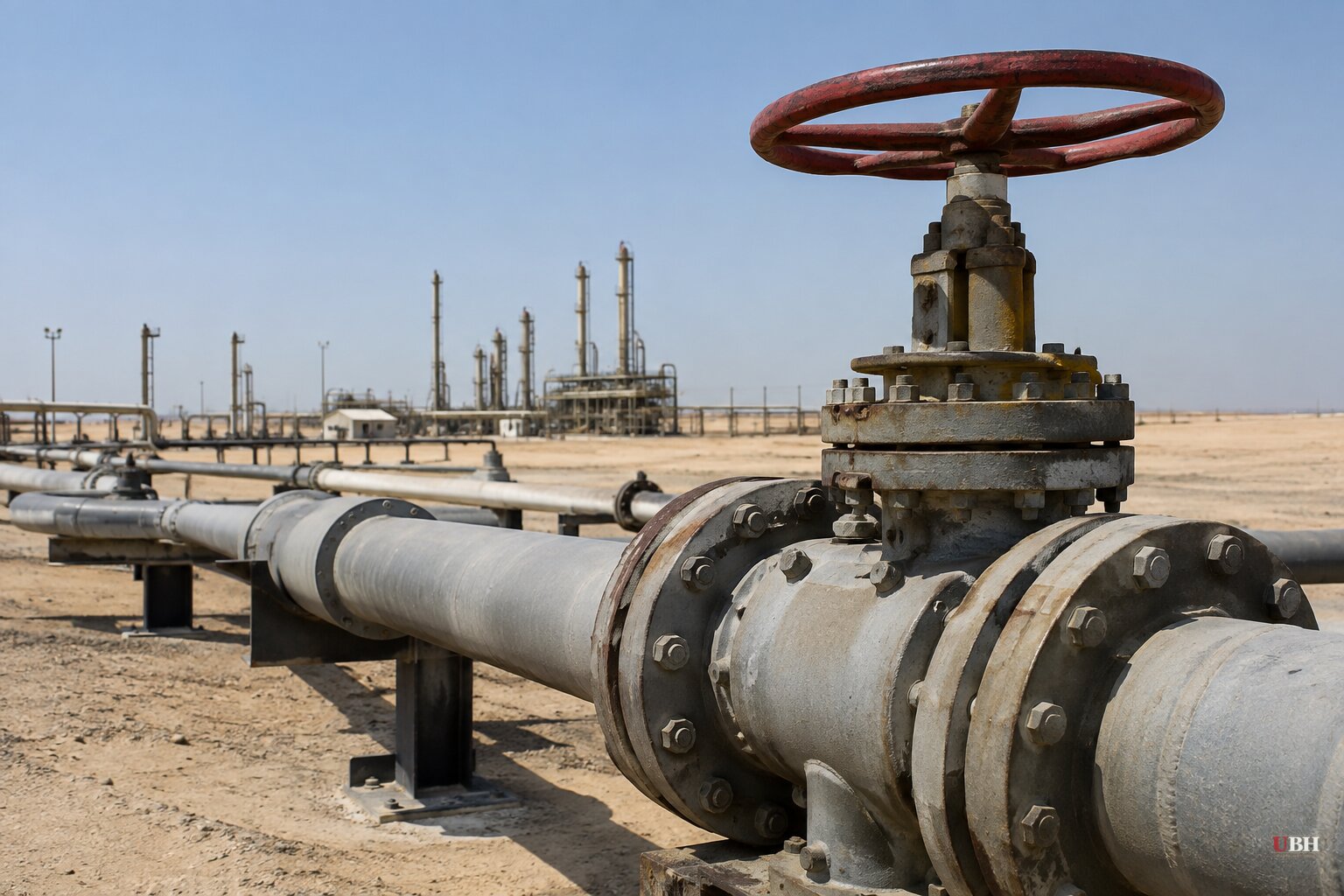
Since an armed group closed valve No. 7 on the pipeline carrying crude from Libya's Sharara field to the Zawiya export terminal Monday morning, September 21, output at the field has collapsed to roughly 127,000 barrels a day, according to Libya's National Oil Corporation.
That's less than half of Sharara's normal capacity of about 300,000 barrels a day, making it one of Libya's largest producing fields and a meaningful piece of the country's export picture.
The NOC said the closure, on a pipeline operated by Akakus Oil Operations Company, caused pressure to build in the line and forced most of the field's remaining output to redirect toward the Mellitah port instead of Zawiya. The corporation said it contacted the Petroleum Facilities Guard in the southwestern region to secure the pipeline, but those appeals "yielded no results," and its technical teams could not physically reach valves No. 6 and 7 to fix the problem.
The NOC warned that a continued shutdown could halt Sharara's production entirely, disrupt oil transportation and exports, and threaten operations at the Zawiya refinery, which would raise Libya's own fuel import costs. The corporation said it "may be forced to declare force majeure" if the valve stays closed, according to Xinhua and separately confirmed by The Star.
Sharara's outage isn't happening in isolation. Fox News reported that a drone attack last week badly damaged Saudi Arabia's East-West Pipeline, a bypass that had been moving 2.6 to 4 million barrels a day across the kingdom to the Red Sea, with repairs potentially sidelining it for three to five weeks.
At the same time, Iran-backed Houthi rebels have taken additional territory and islands around the Bab el-Mandeb Strait, adding pressure to a Red Sea shipping route already hammered by years of attacks, Fox News reported.
Further east, the US naval blockade of the Strait of Hormuz, reinstated July 14, has kept Iranian crude cargoes from reaching China, Tehran's largest remaining buyer, according to tracking firms Kpler, Vortexa and TankerTrackers.com cited by Fox News. Iranian crude and condensate loadings fell to roughly 220,000 to 255,000 barrels a day in August, down from about 740,000 in July and near 2 million in March.
Fox News reported that US diesel hit a record national average of $6.23 a gallon Monday, according to AAA, with regular gasoline averaging $4.32, and that Brent crude climbed as high as roughly $110 a barrel intraday.
Bloomberg, relayed by Bloomingbit, reported a different snapshot of the same day: WTI trading above $95 a barrel after a four-day slide of more than 9%, with Brent near $100, as satellite data showed Saudi Arabia sharply increasing crude shipments from the Persian Gulf to reroute around the damaged pipeline. Bloomberg tied the pullback partly to hopes for a diplomatic opening between Washington and Tehran, with President Trump scheduled to address the United Nations General Assembly on September 22 and reportedly open to a sideline meeting with Iranian President Masoud Pezeshkian. US UN Ambassador Michael Waltz told Fox News the door to talks remains open.
Oil has been volatile enough this year, up more than 60% overall according to Bloomberg, that an intraday spike toward $110 and a same-day retreat toward $100 reflect how jumpy the market currently is.
Oil has risen under pressure from multiple disruptions. The pressure campaign on Iran has contributed real collateral cost for American drivers: record diesel, near-$4.32 gasoline, and a supply squeeze that traces partly to Washington's own blockade decision. This shows who bears the cost of sanctions enforcement.
Libya's pipeline shutdown stems from a domestic security dispute between an armed group and the Petroleum Facilities Guard, the same kind of instability that has repeatedly hit Sharara's output for years. It is unrelated to Iran policy.
Russia is separately poised to extend its diesel export ban beyond the end of September as Ukrainian strikes continue hitting its refineries, according to Bloomberg, adding another variable unrelated to either Iran or Libya.
Prediction markets tracked by Crypto Briefing put the odds of crude oil setting a new all-time high by December 31 at 12.5%, a figure the outlet says ticked up slightly on the Sharara news, though the probability of a new high by September 30 remains low. Those are speculative bets on an uncertain outcome, not a forecast.
The immediate question is whether Libya's Petroleum Facilities Guard can retake the valve before the NOC follows through on its force majeure warning, and whether Saudi Arabia's rerouted Gulf shipments hold up long enough to cover the East-West Pipeline's three-to-five-week repair window. Trump's UN address Tuesday and any Pezeshkian sideline contact will be the next test of whether diplomacy, rather than further supply shocks, ends up setting the market's direction.
Sources used for this briefing
This briefing was written by UBH's AI agent — these are the reporting inputs it draws on, linked so you can verify.


