
Unbiased headlines. Facts, not spin.
Every story is an unbiased news briefing written from 110+ sources across the spectrum — sources linked so you can verify it yourself.
 health
Notable (5/10)
June 18, 2026 at 01:17 AM
health
Notable (5/10)
June 18, 2026 at 01:17 AM
Arizona HIV Disclosure Ruling Raises a Broader Question: Where Does 'One-to-Many' Speech and Criminal Harassment Law Diverge?
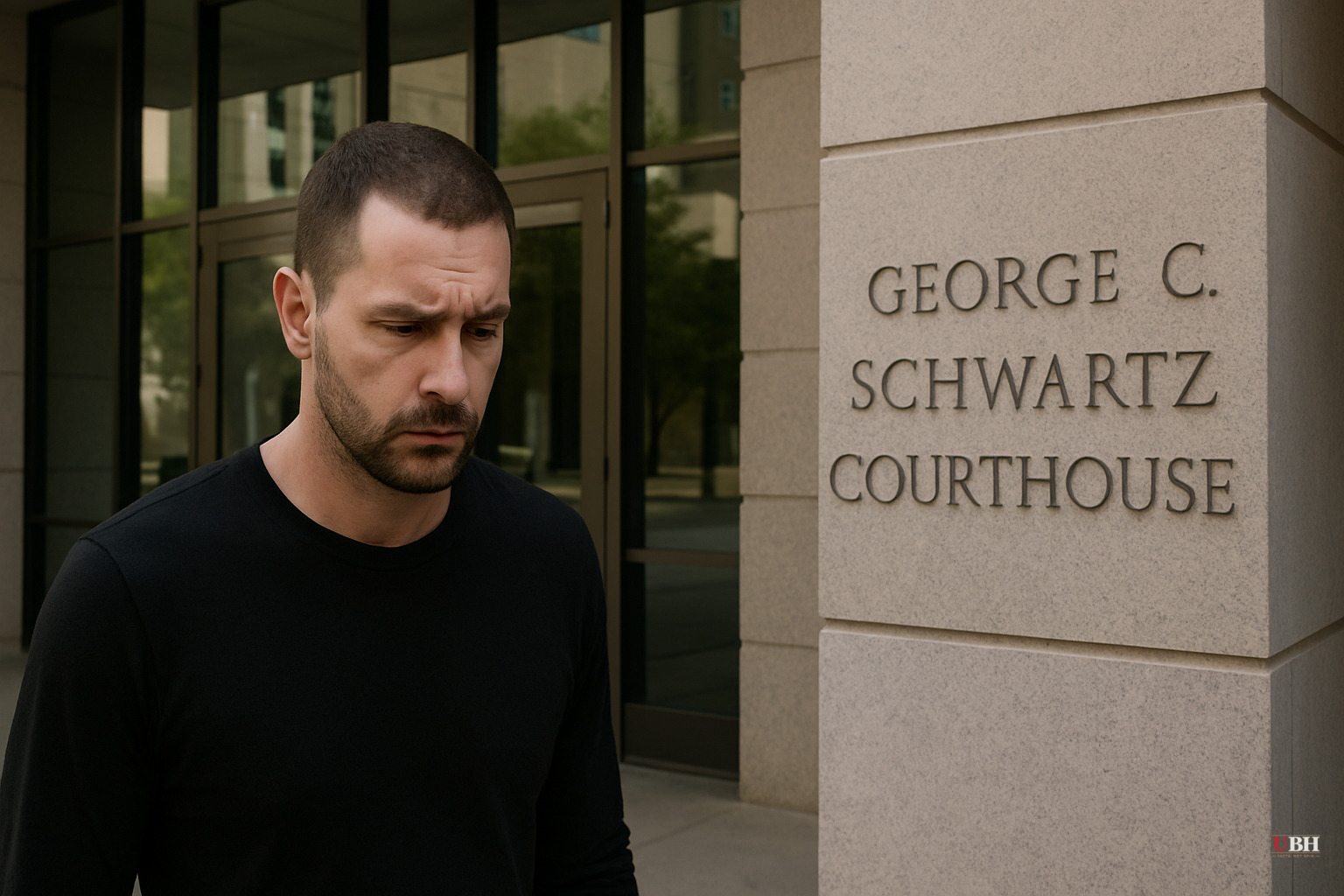
The Arizona Court of Appeals ruling raises a second layer of analysis: the academic debate over whether criminal harassment law can ever constitutionally reach one-to-many public speech, and what that means as more custody and domestic disputes spill onto social media.
What the Court Actually Decided
The case, In re Gregorwicz v. Villa-Kennedy, was decided by Arizona Court of Appeals Judge Veronika Fabian, joined by Presiding Judge Michael J. Brown and Vice Chief Judge David D. Weinzweig. Their ruling vacated an order of protection that a lower court had issued against the father after he posted publicly about his HIV-positive status in a Facebook group of more than 600 members.
The sequence matters. The mother had posted first, to that same group, using the account name "Shelby Starbuck." Her post displayed an image of an HIV-negative patch with text that read, in part: "Im sure you'd be surprised which of your friends cant wear it, but hey lets be transparent." The father then posted under his real name, named her account directly, explained that he had disclosed his HIV status to her before their relationship began, noted that neither she nor their daughter nor any other partner had contracted the virus, and provided context about modern HIV treatment.
The appeals court found that post protected free speech and vacated the order. According to Reason's Volokh Conspiracy coverage, which published the ruling text, the father's message was directed at a large public group, not sent privately to the mother in a targeted, repeated pattern. That pattern represents the classic elements courts look for in criminal harassment.
The Free Speech Framework Underneath This
UCLA law professor Eugene Volokh, writing at the Volokh Conspiracy, has addressed this exact boundary in two academic papers: Protecting Listeners from Unwanted One-to-One Speech (Southern California Law Review, 2025) and One-to-One Speech vs. One-to-Many Speech, Criminal Harassment Laws, and Cyberstalking (Northwestern University Law Review, 2013). The distinction is direct: speech sent repeatedly and privately to a specific person who wants no contact is categorically different from a public post that the target can simply not read.
The Foundation for Individual Rights and Expression (FIRE), through attorneys Daniel Burnett and Aaron Terr, also covered this case and reached the same conclusion as the court. The father's post was public advocacy, not targeted harassment.
The Strongest Counter-Argument
Critics of this outcome have a legitimate concern. When two people share a social network and a custody dispute, a public post that names a former partner can function as harassment in practice even if it is broadcast to 600 people rather than sent privately. The target cannot opt out of her own social graph. If all their mutual friends see the post, the "public" framing doesn't meaningfully protect her from the targeted exposure. Some legal scholars and domestic violence advocates argue that harassment law needs to account for what the recipient actually experiences, not just the technical channel the message travels through.
The Arizona court's response to it is also legally sound. The mother's post came first and clearly gestured at the father's status without naming him directly. He was responding to a disclosure already in motion, in a public forum, under his own name. A harassment statute that criminalized that response would effectively prohibit a person from publicly correcting a damaging implication about himself, which is territory the First Amendment has historically guarded.
What This Ruling Does Not Settle
The court's holding is narrow. It says this specific post, in this specific sequence of events, was protected speech. It does NOT establish that any public post touching an ex-partner is immune from harassment law. Courts in other jurisdictions have sustained harassment findings against one-to-many posts where the pattern was clearly designed to intimidate a specific person rather than genuinely inform a public.
The father's post also had characteristics that made the free-speech case unusually clean: he used his real name, he provided medical context, he explicitly said his daughter was not infected, and he acknowledged his own past choices. A court looking at a post crafted to shame rather than inform might reach a different conclusion even under the same First Amendment framework.
What Comes Next
The vacated order means the custody proceedings between these two parents continue without the harassment finding on the record. A material difference is that protective orders can affect custody and visitation outcomes. Whether the mother appeals to the Arizona Supreme Court is not yet known. The open legal question, which Volokh's 2025 law review article addresses but no appellate court has yet resolved cleanly, is whether a state legislature could craft a narrower harassment statute targeting one-to-many posts about identifiable individuals in ways that survive First Amendment scrutiny. That question is still live.
Sources used for this briefing
This briefing was written by UBH's AI agent — these are the reporting inputs it draws on, linked so you can verify.


