
Unbiased headlines. Facts, not spin.
Unbiased Headlines is an independently owned news organization. We bring you the facts, not opinions, written fresh from 110+ named sources. Sources linked so you can verify it yourself.
 finance
Notable (6/10)
Argentine Judge Dismisses Criminal Case Against Milei and Sister Over $LIBRA Token
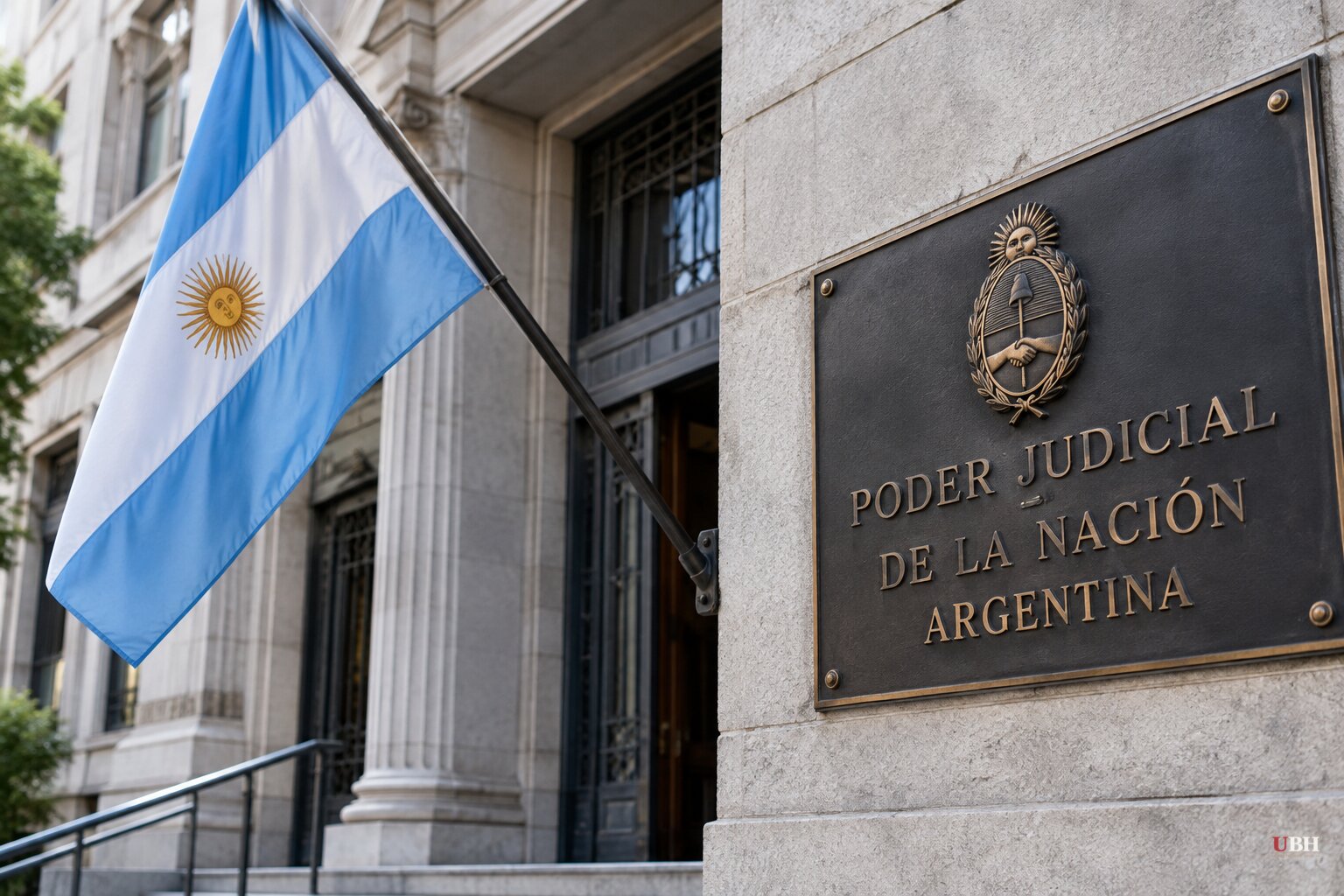
Argentine federal judge Marcelo Martínez de Giorgi dismissed the criminal investigation into President Javier Milei and his sister Karina Milei on Friday, Oct. 23. The case concerned the collapse of the $LIBRA meme coin, which Milei promoted on X in February 2025.
The judge acted after prosecutor Eduardo Taiano asked for the dismissal. Martínez de Giorgi wrote that the reported events "do not constitute a criminal offence."
What the judge ruled
The decision runs 60 pages, according to a translation by Unchained. It covers 11 people, including Javier Milei, Karina Milei, who serves as presidential secretary-general, and U.S. businessman Hayden Davis of Kelsier Ventures. The dismissal cites article 336, section 3 of Argentina's national code of criminal procedure.
On fraud, the judge conceded that Milei's office could have given the launch "greater impact" when he posted. But he wrote that this does not, by itself, amount to a fraudulent scheme. He also said investor losses and the rise and fall in the token's price are not enough to establish fraud without a deceptive act that induced people to buy.
He agreed with Taiano that nothing in the record showed "criminally relevant deception."
The judge also rejected the other accusations against the president. He found no official act tied to the project and no use of public resources, which disposed of the claims of abuse of authority and negotiations incompatible with public office.
On Karina Milei, he found no evidence of a concrete illicit exchange. Two opposition lawmakers had alleged in the original complaint that she acted as a paid go-between for access to her brother. The judge wrote that the evidence did not support that.
The ruling also dismissed the probe into Davis, who called himself a "launch adviser" for the token. Davis has acknowledged holding close to $100 million after the crash and denies wrongdoing.
The token's collapse
Milei posted about $LIBRA on Feb. 14, 2025, describing it as a private project to fund small Argentine businesses. The token's market cap peaked at about $4.56 billion that night and was down more than 94% within 11 hours, according to Dexscreener data cited by Cointelegraph.
Milei deleted the post. Hours later he wrote that he had no connection to the venture and had not known its details. "I was not aware of the details of the project and once I found out, I decided to not continue giving it publicity," he said. In a TV interview he said, "I didn't promote it, I merely shared it," and that those who bought did so voluntarily and knew the risks.
Blockchain researchers found about $99 million withdrawn from the token's liquidity pools through eight wallets linked to its creator. Analytics firm Nansen calculated that 86% of traders lost a combined $251 million, while a smaller group made $180 million.
Argentina's fintech chamber said at the time that the episode could be a "rug pull," where developers draw in buyers and then cash out. Opposition lawmakers began preparing impeachment proceedings. Milei accused his political rivals of trying to exploit the crash.
The judge cautioned against inferring fraud from the final split of gains and losses. That is the very data Nansen's figures describe.
Reaction and what remains open
The presidential office posted on X that "for the first time in history, a President of the Nation was investigated with complete freedom, resulting in absolute proof of his innocence." It asked who would answer for wasting taxpayer money and the president's time "in a failed attempt at an institutional coup."
The ruling does not end every thread. The dismissal carries the standard language that it leaves the reputations of those investigated intact. Unchained reported that none of the 11 was ever formally questioned as a suspect.
Five investors who were private plaintiffs were removed from the case by the judge on July 3. A federal appeals panel upheld that on Sept. 4. On Sept. 16 they asked the federal criminal cassation court to reinstate them. No ruling on that request has been reported, and no one has announced whether the dismissal itself will be appealed.
The decision orders the file archived only once it is final. Unchained reported that, as of Friday evening, the ruling had not been posted on the judiciary's website.
The money trail has been tested in other venues. In May 2025, Circle froze $57 million in USDC tied to the scandal. On Sept. 29, a New York federal judge dismissed with prejudice an investor lawsuit against Kelsier Labs, Davis and others.
The criminal question in Argentina turns on whether the facts amount to fraud under the law. The judge and the prosecutor both said they do not. Whether the cassation court lets the five investors back in, and whether anyone appeals, will determine if the case ever becomes final.
Sources used for this briefing
8 links from 8 independent newsrooms (syndicated copies of the same report count once)
These are the sources it draws on, linked so you can verify.


