
Unbiased headlines. Facts, not spin.
Every story is an unbiased news briefing written from 110+ sources across the spectrum — sources linked so you can verify it yourself.
 tech
Notable (6/10)
August 4, 2026 at 02:57 PM
tech
Notable (6/10)
August 4, 2026 at 02:57 PM
Apple Says Trade Secrets Probe Now Covers 11 More Ex-Employees, Seeks Injunction Against OpenAI
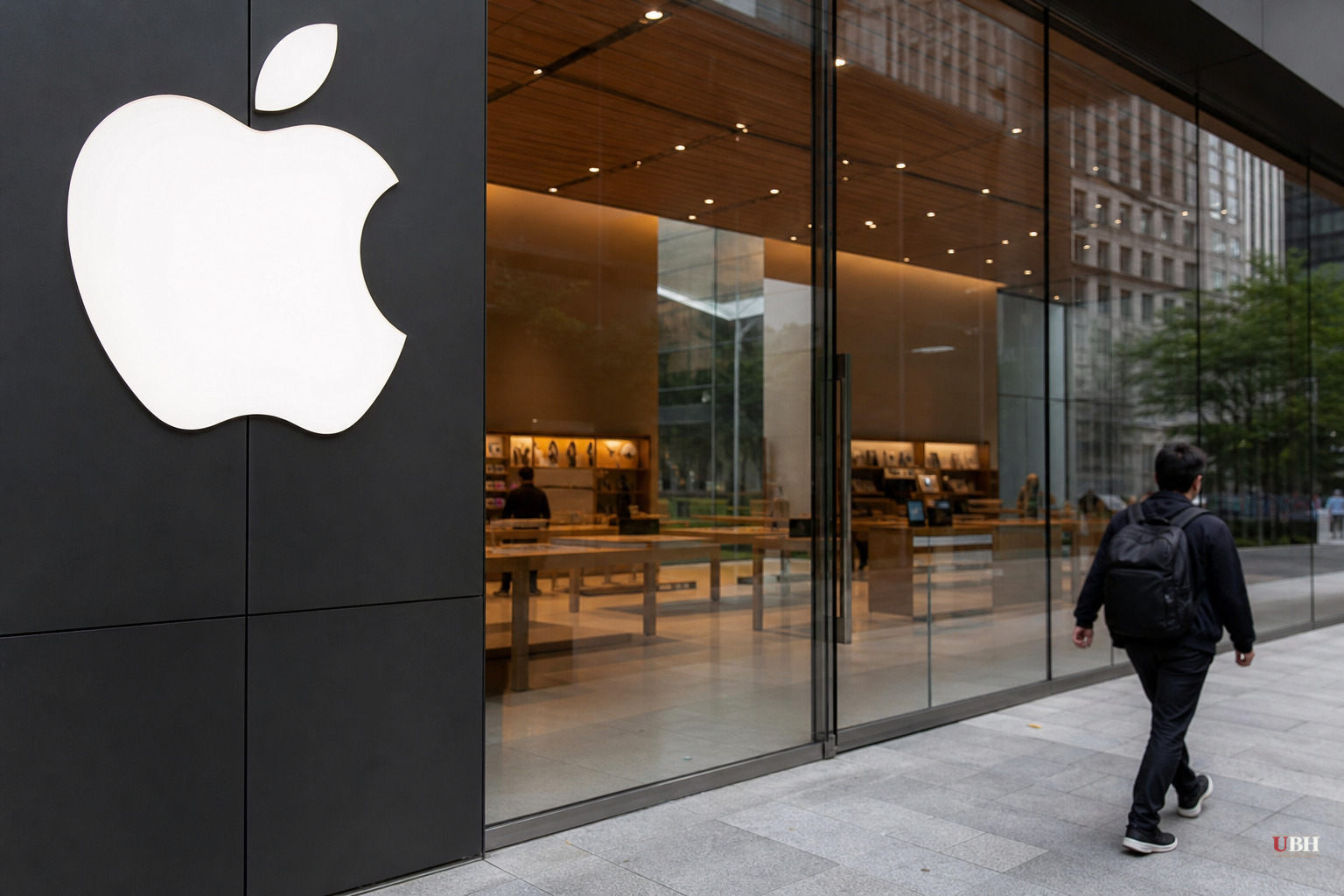
Apple's legal fight with OpenAI just got bigger. The iPhone maker filed a new motion seeking a preliminary injunction that would block OpenAI from developing an AI device or other products it claims are built on stolen Apple technology, according to a filing reviewed by TechCrunch.
Apple is also asking for expedited discovery targeting a growing list of names: senior systems engineer Chang Liu, Chief Hardware Officer Tang Yew Tan, OpenAI itself and its foundation, and io, the hardware startup co-founded by Apple's former lead designer Jony Ive.
Apple says its ongoing investigation has identified 11 additional former Apple employees who may have been witnesses to or involved in the alleged conduct. That's on top of people already named in the original complaint, including OpenAI employee Yu-Ting Peng.
What Apple Claims Happened
According to the filing, one former Apple employee met with Liu and Peng before Peng's OpenAI interview and discussed Apple proprietary information tied to unannounced products during that meeting. Another former employee allegedly took screenshots of confidential Apple documents about an unannounced product before interviewing at OpenAI.
Apple also claims that after it filed its original complaint, multiple former employees now working at OpenAI reached out on their own to return Apple-issued devices they'd kept after leaving the company. Apple frames those unsolicited returns as evidence that more people than originally named may have been involved.
None of this has been tested in court. These are allegations in a legal filing made by Apple. No judge has ruled on the merits, and no injunction has been granted. Apple's motion for a preliminary injunction, along with the new discovery request, is still pending.
OpenAI's Response
OpenAI pushed back hard in a public blog post, calling Apple's request for a preliminary injunction "both based on false information and completely unnecessary because we do not have, nor want, any of their trade secrets." The company added: "We're much more interested in building innovative products and technologies that push the frontier."
OpenAI didn't stop at a general denial. The company pointed to specific errors it says Apple made during this dispute, including an incident in which Apple emailed the wrong person after confusing two similar surnames while trying to make contact about the matter.
OpenAI also alleges Apple misrepresented whether it had discussed the matter with its own general counsel, and claims Apple has not owned up to the fact that former employees retained system access after leaving the company. OpenAI attributes this to Apple's own security lapses rather than any deliberate scheme.
If former employees kept working access to Apple's internal systems after departing, that's a control failure on Apple's side, regardless of what those employees did with that access afterward. A company suing over trade secrets theft while its own offboarding process left doors open invites scrutiny of its own practices, not just the accused.
The Stakes
Apple's case centers on the idea that departing employees carried proprietary knowledge, and in some cases physical documents or devices, from Cupertino to a direct competitor building AI hardware. Jony Ive's io startup, since absorbed into OpenAI's orbit, sits at the center of that concern because it represents exactly the kind of hardware ambition Apple considers its own turf.
Whether any of the 11 additional employees Apple flagged actually did anything wrong is unknown right now. Apple itself only describes them as possible witnesses or participants, not confirmed wrongdoers. That distinction matters. A company under competitive pressure from a well-funded rival has an incentive to cast as wide a net as possible in litigation, and courts will decide whether that net is grounded in evidence or overreach.
The next concrete step is the court's ruling on Apple's request for expedited discovery and its pending motion for a preliminary injunction. If granted, OpenAI would face real constraints on its hardware ambitions before this case even reaches trial. If denied, Apple's broader theft claims will have to stand on whatever evidence survives normal discovery, on OpenAI's timeline, not an accelerated one.
Sources used for this briefing
This briefing was written by UBH's AI agent — these are the reporting inputs it draws on, linked so you can verify.


