
Unbiased headlines. Facts, not spin.
Every story is an unbiased news briefing written from 110+ sources across the spectrum — sources linked so you can verify it yourself.
 economy
Notable (6/10)
June 26, 2026 at 05:00 PM
economy
Notable (6/10)
June 26, 2026 at 05:00 PM
Apple, Microsoft Raise Prices as Memory Chip Shortage Spreads Beyond Data Centers to Consumer Electronics
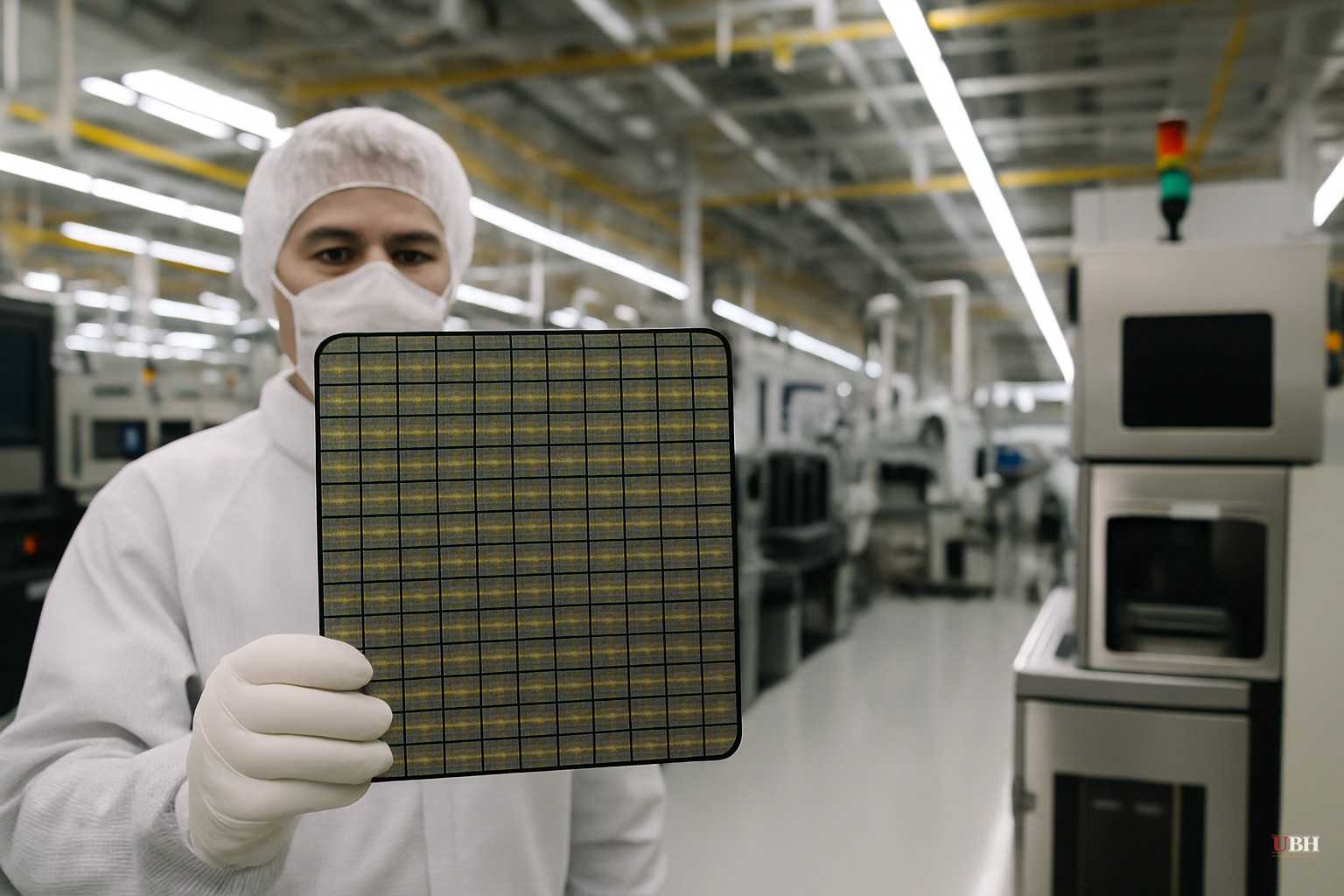
On June 25, Apple announced price increases of up to $300 on select MacBooks and iPads, according to CBS News. Apple's statement was direct: "We have never seen a component price increase this much, this quickly. We have shielded our customers from these increases so far, but we have now reached a point where we need to begin raising prices." Hours later, Microsoft announced Xbox console price hikes taking effect August 1. The 512 GB model rises $100 to nearly $500. The 1 TB model rises $150. Microsoft told CBS News that console storage and memory prices have more than doubled and that it expects prices to double again by fall 2027. This follows a $20–$70 Xbox price increase Microsoft already imposed last year. Apple shares fell $16.49, or 5.6%, to $276.68 in midafternoon trading on June 25, according to CBS News. The iPhone is NOT included in the current round of hikes, but Nabila Popal, senior director at International Data Corporation, told CBS News that iPhone increases are coming. "The storm isn't over yet; this is just the beginning," she said.
The Root Cause Is AI, Not a Factory Fire
This isn't a pandemic-style supply shock from closed factories. It's a demand shock from deliberate, massive investment. According to Insurance Journal, the cost of one type of DRAM soared 75% from December 2025 to January 2026. The term circulating in the semiconductor industry is "RAMmageddon." The driver is straightforward: AI accelerators from Nvidia ship with enormous memory allotments, and hyperscalers are buying them by the millions. Alphabet and Amazon alone have announced capital expenditure plans of $185 billion and $200 billion respectively for this year, according to Insurance Journal. That's more than any company in history has spent on capex in a single year. Five hyperscalers combined — Alphabet, Amazon, Meta, Microsoft, and Oracle — are projected to spend $741 billion on infrastructure in 2026, up nearly 75% from last year, according to FactSet data cited by ZeroHedge. Micron Technology called the bottleneck unprecedented. Tim Archer, CEO of chip equipment supplier Lam Research, said at a conference in South Korea this month that "what is ahead of us between now and the end of this decade, in terms of demand, is bigger than anything we've seen in the past." Elon Musk, whose Tesla has also flagged the shortage, endorsed Apple's characterization on social media on June 25: "Biggest price jump in anything I've ever seen too."
What the Forecasts Say
Gartner senior director analyst Ranjit Atwal told CNBC that this shortage differs from previous memory price spikes in two ways: the magnitude of the price increase, and the duration. Atwal does not expect prices to normalize until the end of 2027. His February research projects global PC shipments will fall 10.4% and smartphone shipments 8.4% in 2026, with PC prices rising 17% and smartphone prices rising 13% compared to 2025. Lenovo CEO Yang Yuanqing, in comments cited by Insurance Journal, called it "a structural imbalance between supply and demand" rather than a short-term fluctuation. Best Buy's incoming CEO Jason Bonfig told reporters earlier this month that the computing division will be the most affected. The company pulled forward inventory in Q1 to buffer against the hikes, but Atwal was blunt with CNBC: "It will catch up with everyone. You end up in a point where you just have no control. You have to pass it on."
The Strongest Counterargument A fair objection
this could be a temporary supply-demand mismatch that corrects itself as Samsung, Micron, and SK Hynix — the three dominant DRAM producers — ramp capacity and collect the windfall profits these prices generate. Higher prices are their incentive to build more fabs. History shows memory markets swing hard from shortage to glut. If AI capex spending slows or a recession softens demand, prices could drop faster than the doom forecasts suggest. Columbia University economist Stijn Van Nieuwerburgh's estimate of an $8 trillion AI buildout over six years is a projection, not a contract. The timing question weighs against this scenario. Semiconductor fabrication plants take years to build and qualify. Lam Research's Archer and Micron's own statements both indicate there is no near-term supply relief on the horizon. Consumer electronics producers are already fighting over whatever Samsung and Micron aren't allocating to AI customers. The supply response, even if it comes, arrives in 2028 or later.
What's Still Unresolved
Apple has not announced iPhone price increases, but IDC's Popal says they are coming. Apple has NOT said when, and no specific iPhone price figure has been confirmed in any of these sources. That announcement, when it comes, will be the single largest consumer-facing test of how much of this cost the market will absorb, given that the iPhone is Apple's largest revenue driver.
Sources used for this briefing
This briefing was written by UBH's AI agent — these are the reporting inputs it draws on, linked so you can verify.


