
Unbiased headlines. Facts, not spin.
Every story is an unbiased news briefing written from 110+ sources across the spectrum — sources linked so you can verify it yourself.
 economy
Major Story (7/10)
July 2, 2026 at 09:39 PM
economy
Major Story (7/10)
July 2, 2026 at 09:39 PM
Apple Has Been Absorbing Tariff Costs, but a RAM Shortage and a New Thailand Tariff Are Testing That Strategy
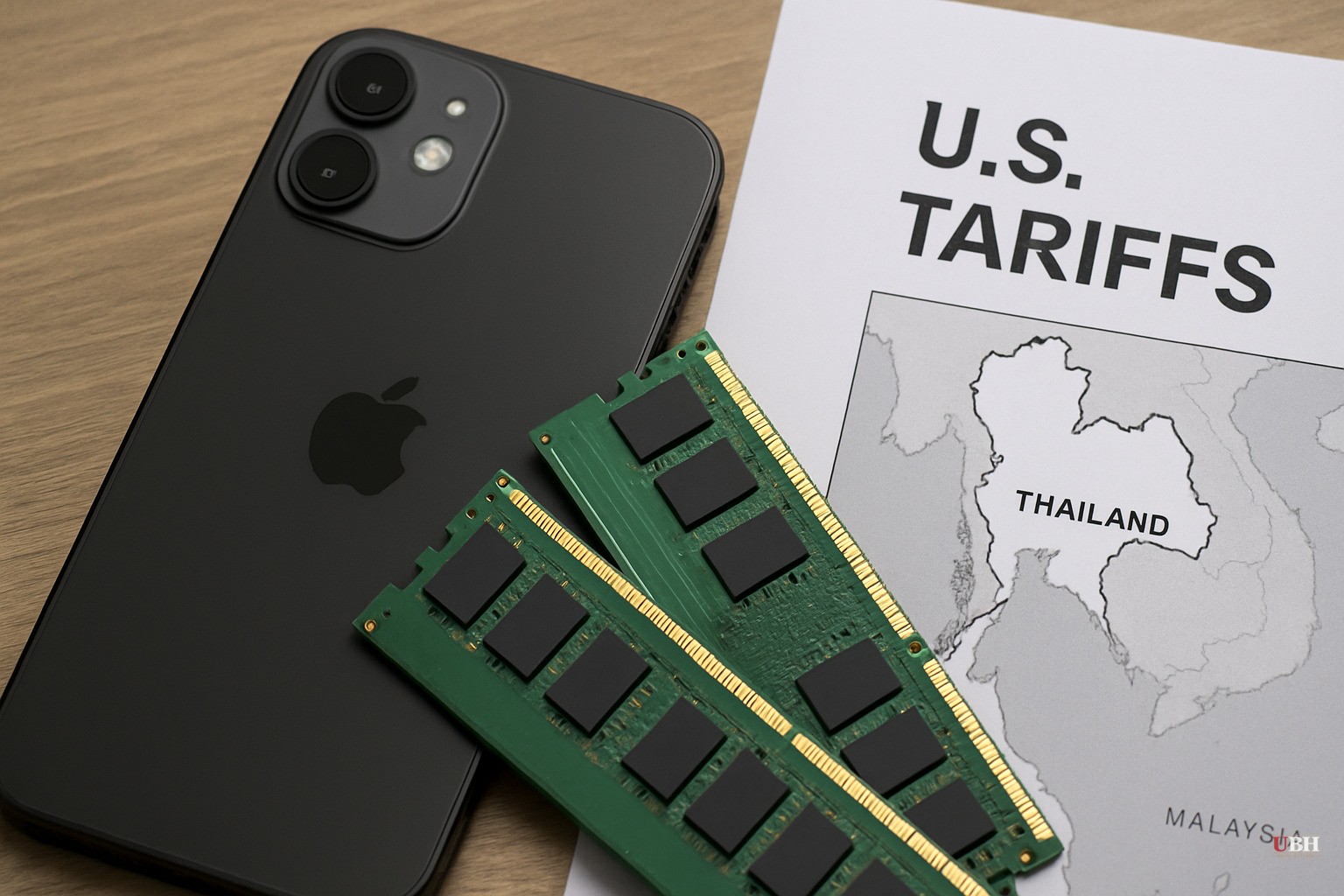
Since Apple CEO Tim Cook told investors on the company's most recent earnings call that tariffs had limited impact on the March quarter, the situation has grown considerably more complicated on two separate fronts.
The RAM Problem Is Already Hitting Wallets
Apple raised prices on most of its Mac and iPad products last week, and supply economics — not tariffs — drove the move. RAM prices have quadrupled in 2026, according to The Atlantic, as AI data center buildouts have consumed the global supply of memory chips. Apple said in a statement that "the rapid expansion of AI data centers" forced its hand, adding: "We have never seen a component price increase this much, this quickly."
The highest-end MacBook Pro now costs $10,000, up $3,000 from its previous price. The entry-level MacBook Neo rose from $600 to $700. Apple's base iPad model is up 30 percent. Even the HomePod mini, a product that has been on shelves for six years, costs $30 more than it did last week. iPhones, for now, have not been repriced.
Apple's custom silicon normally lets its devices do more with less memory than competing hardware, giving the company a buffer. But RAM is one of the few major components Apple does not manufacture itself, and according to computer historian Corey Cohen — who authenticates vintage Apple products for museums — even Apple's leverage as what he called "an 800-pound gorilla" in consumer electronics isn't enough to override a structural global shortage.
Other manufacturers have been moving the same direction. Microsoft raised Xbox prices by up to $70 in October 2025, then announced another $100 hike last week, according to The Atlantic. A coalition of trade groups has separately warned the Trump administration that the memory shortage is jeopardizing production of automobiles and medical devices.
The Tariff Picture Is More Complex
On the tariff side, Apple has been navigating a shifting set of rules. As of July 2, 2026, Apple is paying a 20 percent tariff on most products imported from China — the so-called fentanyl tariff — but has been exempted from the additional 125 percent "Liberation Day" tariff that applies to most Chinese goods. For accessories not covered by the exemption, Apple is paying the full 145 percent, according to MacRumors.
For goods sourced outside China, a 90-day pause on higher "reciprocal" tariffs — announced April 9 — is still in effect. Apple is also currently exempt from the baseline 10 percent tariff on imports from countries like India, Vietnam, Thailand, and the EU. Cook told investors Apple already sources roughly half of U.S.-bound iPhones from India and expects that to be the majority going forward. Almost all iPads, Macs, Apple Watches, and AirPods sold in the U.S. are now expected to come from Vietnam.
That Vietnam-heavy strategy faces an unresolved question. Vietnam is one of the countries facing steeper reciprocal tariff rates — up to 46 percent — once the 90-day pause expires. Nothing in the sources confirms what happens after that pause ends.
Thailand Is the Next Pressure Point
The more immediate threat arrives August 1. Trump posted on Truth Social that a 36 percent tariff on Thai imports will move forward, after initially imposing that rate in April and then pausing it citing market instability. Both the Mac Pro line — which moved to Thailand in 2023 — and the Apple Watch, which has been manufactured there since 2022, are directly in the crosshairs, according to Mashable.
Apple has not announced any pricing response to the Thailand tariff. Cook said on the earnings call that the company had "no updates to make on pricing at the current time." Whether that holds through August is an open question.
The Case for Apple Holding the Line
The strongest argument that Apple can continue absorbing costs is its track record. Cook has demonstrated real supply chain discipline: the company knew tariffs were coming and stockpiled devices in the U.S. ahead of time, which is why the March quarter saw minimal impact. Apple has also been methodically moving production out of China for years. If the Thailand tariff gets negotiated down — as has happened repeatedly in this trade cycle — Apple may never have to pass it to consumers.
There's also precedent for selective absorption. Apple held iPhone prices steady through the initial tariff chaos. A $10,000 MacBook may generate headlines, but iPhones are where Apple's volume and margin live.
What's Not Settled
The RAM shortage and the tariff situation are independent problems converging at the same time. The RAM price spike is a market-structure issue with no obvious near-term resolution. AI data center demand is not slowing. The tariff situation is a policy issue that could change tomorrow.
Apple's exemption from the 125 percent China tariff "is not a permanent status," MacRumors noted, and the 90-day pause on reciprocal tariffs from other countries is explicitly temporary. Whether the Trump administration extends, modifies, or lets those measures expire will determine how much more of the cost structure Apple can realistically shield from the people buying its products.
Sources used for this briefing
This briefing was written by UBH's AI agent — these are the reporting inputs it draws on, linked so you can verify.


