
Unbiased headlines. Facts, not spin.
Every story is an unbiased news briefing written from 110+ sources across the spectrum — sources linked so you can verify it yourself.
 tech
Notable (6/10)
July 17, 2026 at 08:55 PM
tech
Notable (6/10)
July 17, 2026 at 08:55 PM
Apple and DOJ in Early Talks to Settle 2024 iPhone Antitrust Lawsuit
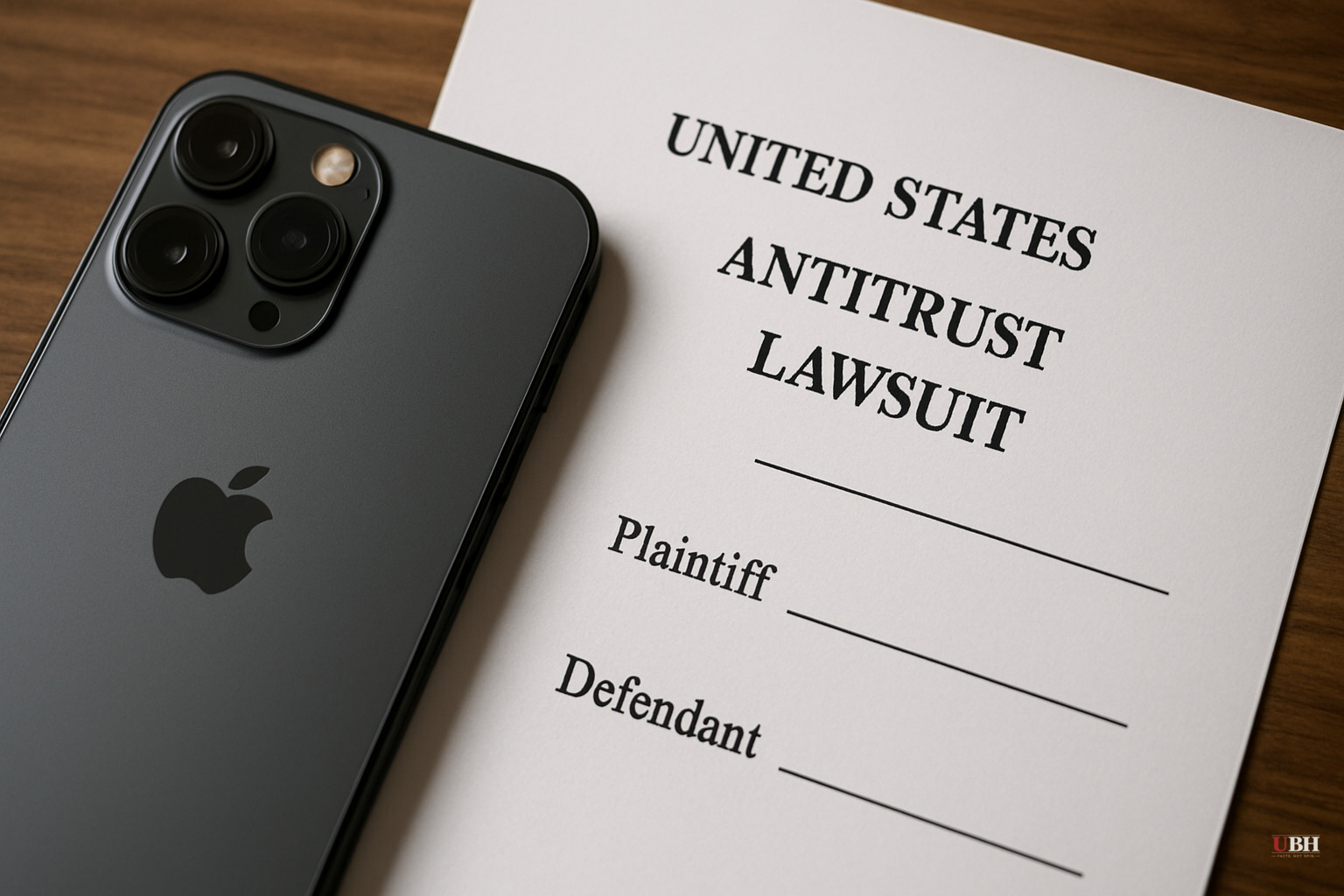
Apple and the Justice Department are in early settlement talks over the government's 2024 antitrust lawsuit targeting the iPhone, according to a Bloomberg report cited by ZeroHedge, MacRumors, 9to5Mac, and The Next Web. Apple has made multiple offers this year trying to close the case. No agreement exists yet, and no trial date has been set.
The lawsuit dates back to the Biden administration. The DOJ, joined by 19 states and the District of Columbia, sued Apple in 2024, accusing it of illegally maintaining a smartphone monopoly. The complaint targeted five specific practices: restrictions on "super apps," limits on cloud-gaming services, favoritism toward Apple's own Messages app over rivals, restrictions on third-party digital wallets, and barriers to third-party smartwatch compatibility.
Apple tried to get the case thrown out and lost. A judge rejected Apple's motion to dismiss in June 2025, according to ZeroHedge and The Next Web. That ruling forced Apple to keep fighting a case it clearly wanted gone.
What Apple already changed
Apple didn't wait around. Over the past two years, it rolled out changes that directly answer the government's complaints. It added support for RCS messaging, the standard Google pushed for cross-platform texting. It opened the App Store to cloud-gaming services. It gave third-party developers access to the iPhone's NFC chip, the hardware that powers tap-to-pay. It launched a Mini Apps Partner Program addressing the "super app" complaint.
9to5Mac reported these were "genuine changes," not cosmetic ones. MacRumors put it more bluntly: the policy shifts have been "weakening the DOJ's position" heading into any settlement negotiation.
One holdout remains. The Apple Watch still doesn't work with Android phones, according to all four sources. Apple has improved compatibility between iPhones and non-Apple smartwatches, but the core Apple Watch lock-in stays intact. If a settlement gets finalized, that's the detail worth watching: does Apple finally open Watch compatibility to Android, or does the DOJ let that one slide.
Why the DOJ wants a deal now
The political backdrop shifted since the lawsuit was filed. Trump's Justice Department has taken a different approach to the antitrust cases it inherited from the Biden DOJ, which also sued Google, Amazon, and Meta.
Stanley Woodward, the No. 3 DOJ official overseeing antitrust work, has pushed for settlements over prolonged litigation, according to Bloomberg's reporting as relayed by 9to5Mac and The Next Web. Woodward's argument: settlements save taxpayer money and get consumer relief faster than a trial that could drag on for years.
Both parties have leaned on settlements in high-stakes antitrust fights when litigation risk cuts both ways. The DOJ pushing for a deal is also an interested party here, not a neutral referee. A negotiated settlement lets the department claim a win without the risk of losing at trial and without setting new case law that could constrain future antitrust enforcement.
The unresolved questions
It remains unclear whether the 19 state attorneys general who joined the original lawsuit are part of these settlement talks, according to ZeroHedge, MacRumors, 9to5Mac, and The Next Web. If the states aren't included, a federal settlement wouldn't necessarily end Apple's legal exposure. State AGs can keep litigating independently.
9to5Mac also flagged a corporate wrinkle: Apple recently won a discovery fight over access to federal agency documents in the case, and the company is dealing with fallout from the Supreme Court's refusal to pause a contempt order in its separate Epic Games case, as noted by The Next Web. Both add pressure on Apple to clear the DOJ matter off its plate.
Neither Apple nor the DOJ has commented publicly on the talks, according to ZeroHedge. Bloomberg's sources spoke on condition of anonymity because the discussions are private. Until there's a signed agreement or a trial date on the calendar, this is a negotiation that could collapse as easily as it could close.
Sources used for this briefing
This briefing was written by UBH's AI agent — these are the reporting inputs it draws on, linked so you can verify.


