
Unbiased headlines. Facts, not spin.
Every story is an unbiased news briefing written from 110+ sources across the spectrum — sources linked so you can verify it yourself.
 health
Major Story (7/10)
July 14, 2026 at 02:51 AM
health
Major Story (7/10)
July 14, 2026 at 02:51 AM
Appeals Court Revives Roughly 500 Tylenol-Autism Lawsuits Against Kenvue
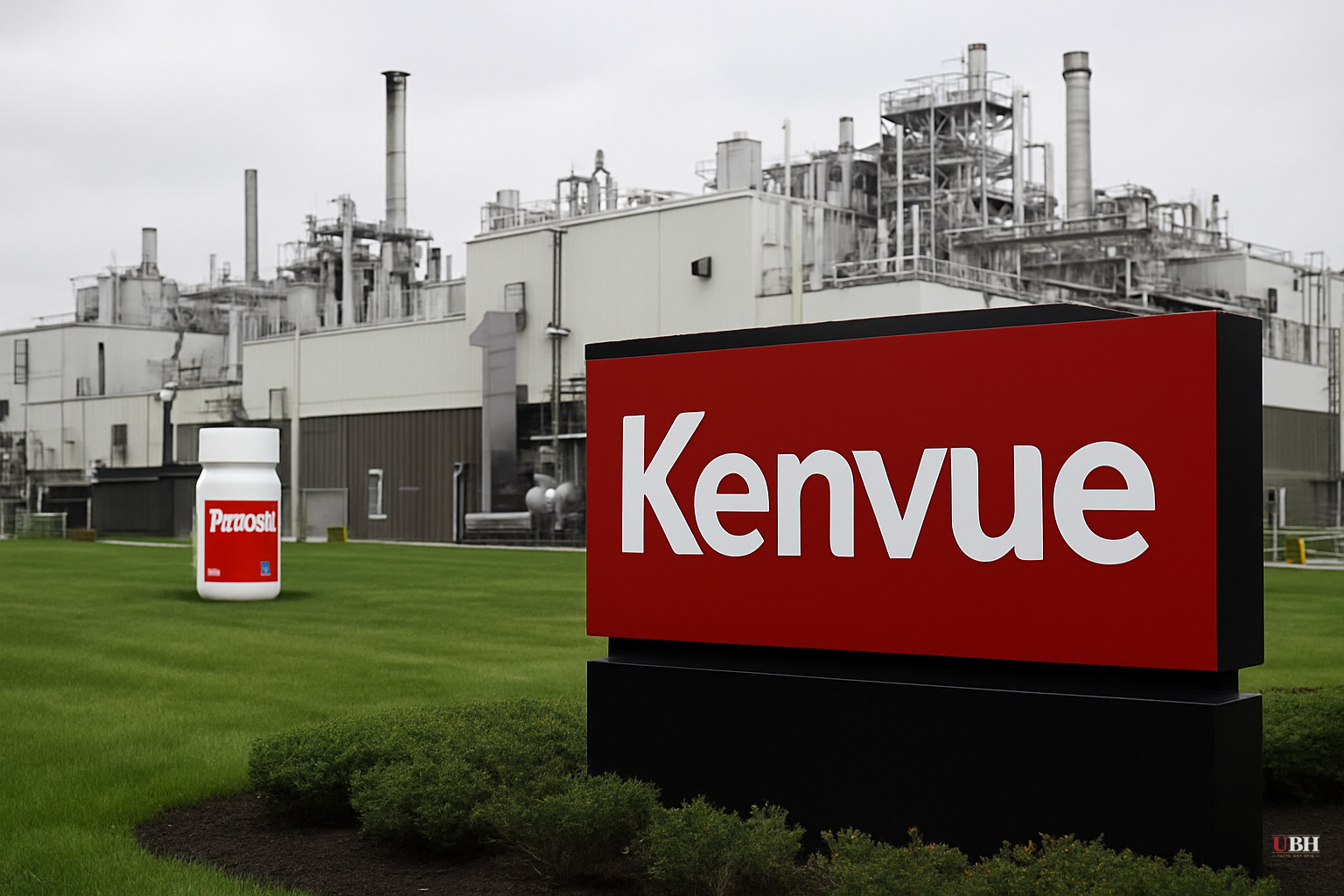
A federal appeals court has put roughly 500 lawsuits against Kenvue back in play, ruling that a lower court judge went too far in blocking expert testimony about Tylenol and autism.
The 2nd U.S. Circuit Court of Appeals ruled Monday that the trial judge erred in throwing out testimony from three expert witnesses who argued prenatal acetaminophen use is linked to autism and ADHD, according to Bloomberg. The panel found the experts used recognized scientific methods, and said disputes over how to interpret the underlying research belong in front of a jury, not a judge's gatekeeping decision.
That reverses a 2023 ruling that had effectively frozen roughly 500 claims against Kenvue, the consumer health company spun off from Johnson & Johnson. The cases now head back to the lower court for further proceedings.
What's actually at stake financially
Bloomberg Intelligence has estimated Kenvue could eventually face thousands of similar suits if this litigation gains momentum, with potential legal exposure running into the billions of dollars. Plaintiffs' attorneys told Bloomberg the appeals court recognized their experts relied on legitimate scientific evidence. Kenvue pushed back hard on that framing. The company said the ruling was procedural—about whether the testimony was admissible—not a finding that Tylenol actually causes autism or ADHD. Kenvue maintains that the best independent research available still hasn't established a causal relationship between acetaminophen use during pregnancy and neurodevelopmental disorders.
The court didn't rule on causation. It ruled that a judge can't unilaterally silence expert witnesses who used accepted scientific methodology, even if their conclusions are contested.
The Trump factor
This case doesn't exist in a vacuum. Since President Trump's public comments last September urging pregnant women to avoid Tylenol, the underlying science has been back in the spotlight. Trump said the FDA would notify physicians about acetaminophen risk during pregnancy and pursue a safety label change. He went further, saying "I think we've found an answer to autism."
That's a much stronger claim than the underlying science supports. Some researchers, including authors of certain observational studies, have flagged associations between prenatal acetaminophen exposure and neurodevelopmental outcomes, and that's the exact evidence at issue in this litigation. A reasonable person worried about fetal drug exposure isn't being irrational for wanting that question examined rigorously.
But "an answer to autism" is not where the broader research community has landed. Large reviews of the existing studies, including sibling-controlled studies that adjust for genetic and family confounders, have continued to find no clear evidence that acetaminophen causes autism, ADHD, or similar conditions. Association is not causation, and the loudest voices on both sides of this fight have incentives to overstate their certainty. Plaintiffs' firms stand to win large settlements if causation gets established, and Kenvue has every reason to insist the science is settled in its favor.
What happens next
The lawsuits return to the U.S. District Court for the Southern District of New York, where Judge Denise Cote had originally excluded the expert testimony back in 2023. With the appeals court's reversal, plaintiffs' experts will now get their day in front of a jury, assuming the case proceeds toward trial rather than settlement.
No FDA rule change forcing new Tylenol warning labels has been finalized as of this writing. The agency process Trump referenced last fall has not produced a mandated label update, and Kenvue has not been found liable in any completed trial.
The unresolved question is the one that's driven this litigation for years: whether a jury, hearing competing expert testimony, will find the plaintiffs' scientific case more persuasive than the large epidemiological reviews Kenvue leans on. A verdict, if it comes, is still a long way off. What changed this week is only that a jury will get the chance to hear the argument at all.
Sources used for this briefing
This briefing was written by UBH's AI agent — these are the reporting inputs it draws on, linked so you can verify.


