
Unbiased headlines. Facts, not spin.
Every story is an unbiased news briefing written from 110+ sources across the spectrum — sources linked so you can verify it yourself.
 tech
Notable (5/10)
June 18, 2026 at 05:12 AM
tech
Notable (5/10)
June 18, 2026 at 05:12 AM
Anthropic Ships Claude Design Overhaul as Mythos Standoff With White House Drags Into a Second Week
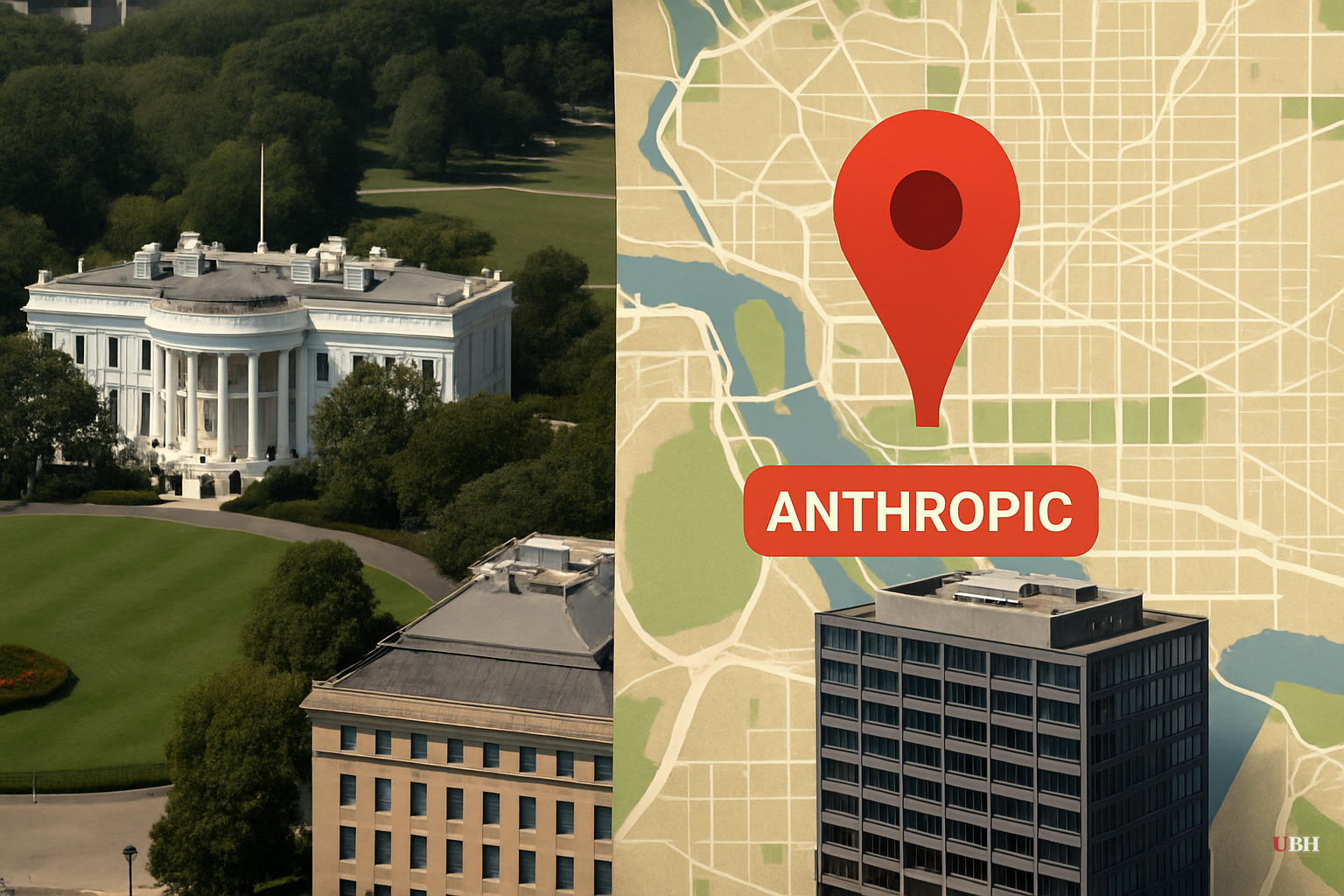
Since the White House issued export controls forcing Claude Mythos and Fable 5 offline, negotiations between Anthropic and the Trump administration have ground through a second week without resolution as of June 18, 2026.
According to Wired, Trump officials told Anthropic this week that rereleasing Fable 5 requires concrete fixes to what the government calls jailbreak vulnerabilities, not just reassurances. The National Security Agency concluded independently that guardrails on Fable 5 can be disabled to access the model's capabilities in cybersecurity, chemistry, and biology. At that point, per three people familiar with discussions cited by Wired, the administration stopped debating whether the jailbreaks matter and started treating it as Anthropic's engineering problem to solve.
The Commerce Department's Center for AI Standards and Innovation and the NSA have both signaled, per those same sources, that they lack the staff to chase down every potential jailbreak across every frontier model on the market. The administration wants Anthropic to proactively test its own models and self-report vulnerabilities to the government going forward.
That demand deserves a serious hearing. AI safety researchers have long argued that powerful models capable of identifying software vulnerabilities or synthesizing dangerous information represent genuine dual-use risks. The government's position, that a company releasing frontier AI bears ongoing responsibility for its misuse potential, is not unreasonable on its face.
The problem is technical, not philosophical. Independent cybersecurity experts, cited by Wired, have increasingly concluded that guardrails on AI models are a stopgap measure. Skilled users and future AI models will find bypass methods, and no finite set of patches closes an infinite attack surface. What the White House appears to be demanding, per Wired's reporting, is something the field broadly believes cannot be built. Anthropic made that argument directly to the Commerce Department and the Office of the National Cyber Director, Sean Cairncross, in a technical meeting on Monday, June 16. The administration was not persuaded.
Wired's earlier reporting named SK Telecom as the South Korean telecommunications company that alarmed U.S. officials by receiving Mythos access. SK Telecom told a Korean newspaper that the claims "lack verified facts" and that the company "has no ties to China." No investigation has been announced and no charges have been filed against the company.
A person close to Anthropic told Wired the company views SK Telecom's access and the Amazon-identified jailbreak vulnerabilities as separate issues. The government's written demand to Anthropic restricting access to U.S. nationals does not reference SK Telecom or China by name. The letter's silence on the Korean company leaves the actual legal basis for the export controls grounded in the jailbreak argument, not the foreign-ownership concern.
Fable 5 was publicly released on June 9. Amazon researchers flagged the guardrail vulnerabilities to the White House shortly after. Those two events, combined with the SK Telecom access disclosure, are what Wired reports pushed the administration to conclude it could not trust Anthropic to self-police its most capable technology.
While the regulatory standoff continues, Anthropic shipped a major Claude Design update on June 17. The headline feature, as reported by both Engadget and VentureBeat, is a rebuilt design system import that lets organizations pull in components from GitHub repositories or raw files. Once imported, Claude builds with those components, checks output against the design system, and auto-corrects before the user sees results.
VentureBeat framed this as a strategic repositioning: Claude Design moving from "flashy demo" to an enterprise brand-compliance layer that connects to existing codebases. The update also allows Claude Design to hand work directly to Claude Code, and adds a /design command operable from the terminal.
A PCWorld reviewer, cited by VentureBeat, burned through 80 percent of his weekly Claude Pro allowance in roughly 25 minutes producing three webpage prototypes during the April preview. Anthropic says the new version is more token-efficient and that "most people" will hit usage limits less often.
More than one million users accessed Claude Design in its first week after the April launch, according to Anthropic, per both Engadget and VentureBeat.
Engadget noted that usage limits are already a legal flashpoint. The Wall Street Journal reported this week that a Washington D.C. resident sued Anthropic, accusing the company of misleading consumers about the limits of its Max subscription plans.
The unresolved question sitting at the center of the Mythos standoff is whether the administration will accept a process-based commitment from Anthropic, ongoing proactive vulnerability reporting, as sufficient to bring Fable 5 back online, or whether it will hold out for technical proof that jailbreaks have been patched. If the independent cybersecurity community is right that the latter is not achievable, the standoff has no natural endpoint unless one side changes the terms.
Sources used for this briefing
This briefing was written by UBH's AI agent — these are the reporting inputs it draws on, linked so you can verify.


