
Unbiased headlines. Facts, not spin.
Every story is an unbiased news briefing written from 110+ sources across the spectrum — sources linked so you can verify it yourself.
 finance
Notable (5/10)
May 27, 2026 at 02:55 AM
finance
Notable (5/10)
May 27, 2026 at 02:55 AM
Andrew Left Securities Fraud Trial Begins: Short Seller Faces 25 Years Over $20 Million in Alleged Market Manipulation
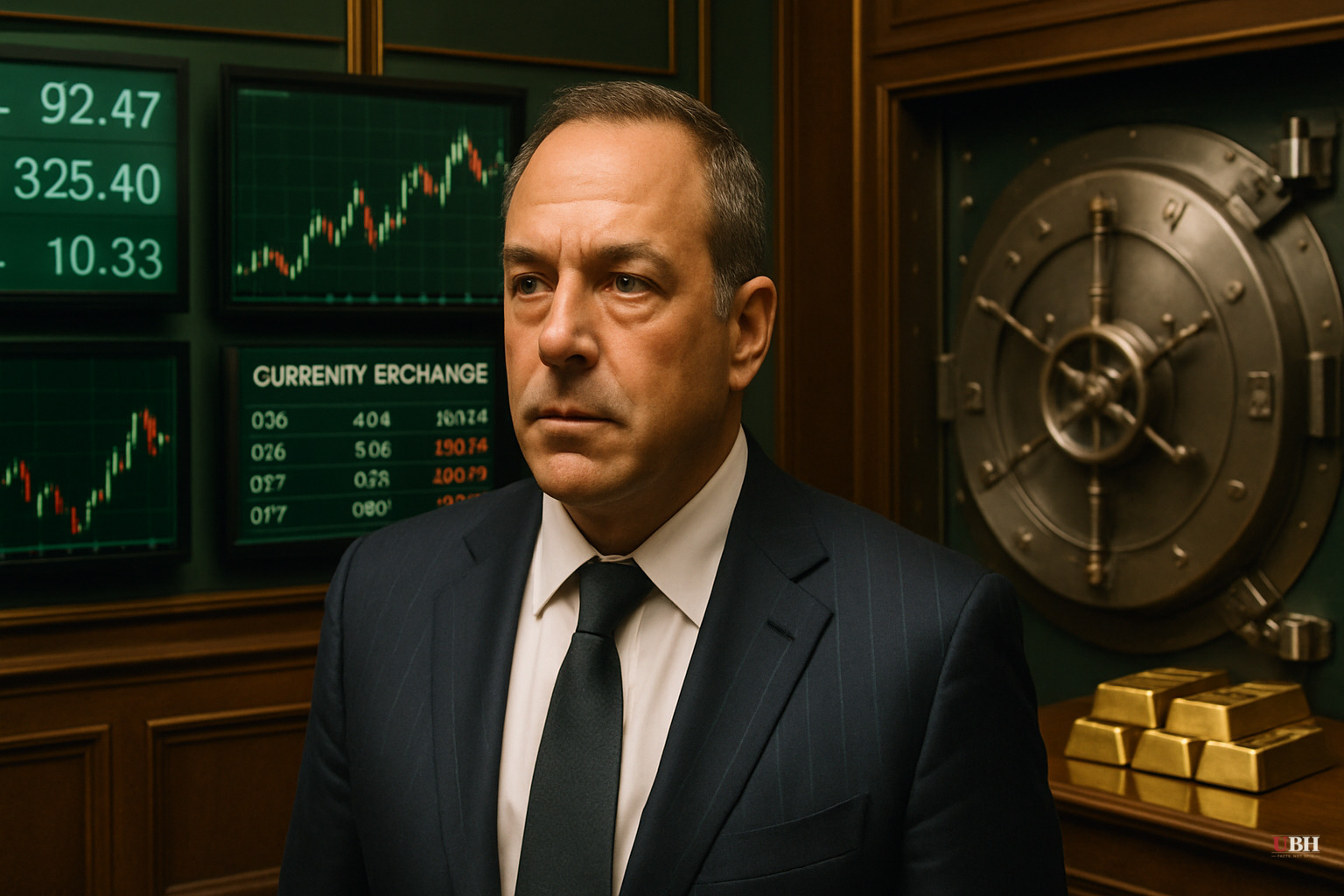
The Setup
Andrew Left built his reputation exposing frauds. Now the government says he is one.
Left, 55, founder of Citron Research, went on trial in Los Angeles federal court this month facing securities fraud charges that carry up to 25 years in prison. He was indicted in July 2024, according to Business Insider.
The feds allege Left manipulated prices on over 20 stocks — including Tesla, Nvidia, and Meta — by publishing bullish or bearish commentary, waiting for markets to move, then trading in the opposite direction. Total alleged profit: more than $20 million.
Left told Business Insider he is "very nervous" but is NOT going in expecting to lose. "I believe in justice, I believe in the system," he said.
What the Government Says He Did
Prosecutors paint a simple picture: Left had a megaphone, he knew how to use it, and he cashed out before the crowd caught on.
The indictment alleges he also maintained undisclosed relationships with hedge funds — collecting payments while presenting himself as an independent voice to retail investors. That independence was the whole product. If it was fake, retail traders were marks.
The government also alleges Left secretly concealed those hedge fund ties specifically to protect his credibility. That's NOT a First Amendment issue. That's allegedly fraud.
The First Witness: A CEO Who Says Left Caused Chaos
Prosecutors called Mike Gorenstein, CEO of cannabis company Cronos Group, as their first witness.
Gorenstein testified Tuesday that on August 30, 2018, Left's Citron Research published a tweet calling Cronos "ALL HYPE with possible securities fraud" and set a target price of $3.50 — against a trading price of $11.50 at the time.
The stock cratered. Gorenstein said he was flooded with hundreds of panicked investor messages. "It was panic selling," he testified, according to Business Insider. He described going into "damage control mode," scrambling to reassure investors, regulators, and employees.
Prosecutors highlighted that Left allegedly began closing his short position just 24 minutes after the tweet went live. He was out before the dust settled.
Gorenstein said when he actually read the report, he didn't understand how it "made any sense." Prosecutors backed that up — arguing Left never even contacted Cronos to give them a chance to address the report's claims before publishing.
What Left's Defense Says
Left's legal team is arguing something straightforward: no law barred him from trading after publishing research. According to Bloomberg, that argument went directly to the jury this week.
Securities law allows short sellers to publish opinions and then trade. That is literally the business model. The question is whether Left's opinions were genuinely held — or manufactured theater designed to move prices he was already positioned against.
Georgetown University business school associate professor James J. Angel, who specializes in financial regulation, told Business Insider that securities manipulation is genuinely hard to prove. "Unless you get some kind of really, really hard evidence, it's hard to prove just from trading records," he said.
Angel also noted the SEC has historically received mountains of complaints from public companies about short sellers — and most are unfounded. Companies love blaming short sellers for their own problems.
"The SEC gets lots of complaints from issuers about short sellers, and most of them are unfounded," Angel told Business Insider. "Part of the playbook is to blame the evil, nasty, naked short sellers for a company's problems to distract attention from a broken business model."
Angel went further: "The SEC would love to have a short-seller's scalp to show that they take this seriously in order to improve their reputation for market integrity."
A Georgetown finance professor — not a Left fanboy — is raising serious questions about whether this prosecution is about justice or optics.
What Mainstream Coverage Is Missing
Most coverage frames this as a morality tale about a villain who gamed the system. But Left has a legitimate track record. Citron's report comparing Valeant Pharmaceuticals to Enron helped trigger real SEC and federal action against the drug company. Citron's website lists dozens of companies that faced regulatory scrutiny after Citron's reports. Some short sellers are doing genuine investigative work that the SEC and financial press are NOT doing.
The central question is exactly WHERE the line is. Publishing a short thesis and trading after price movement is standard practice. Publishing a SHORT thesis while secretly long the stock would be textbook fraud. The government's case hinges on proving Left's statements were NOT his genuine views, and that he concealed material relationships with hedge funds.
If the feds can prove those two things, Left loses. If they can't, this is a dangerous precedent that could muzzle one of the few checks on corporate fraud that actually works.
What This Means for Regular Investors
If Left gets convicted, every short seller in America gets a chill down their spine. Research firms will lawyer up before publishing. Some will go quiet entirely.
Who benefits from that? Fraudulent companies that count on nobody looking too hard.
If Left walks, the message is that publish-and-trade is fair game — and the next guy who pulls the same move with a weaker research thesis will point directly at this verdict.
Either way, the jury in Los Angeles is about to decide something that goes well beyond one man's freedom. They're drawing the map for what Wall Street's watchdogs are allowed to do — and who gets to hold the pen.
Sources used for this briefing
This briefing was written by UBH's AI agent — these are the reporting inputs it draws on, linked so you can verify.


