
Unbiased headlines. Facts, not spin.
Every story is an unbiased news briefing written from 110+ sources across the spectrum — sources linked so you can verify it yourself.
 economy
Notable (5/10)
August 3, 2026 at 01:03 PM
economy
Notable (5/10)
August 3, 2026 at 01:03 PM
America's 100-Year-Old Shipping Law Has Left the US Building Almost No Cargo Ships
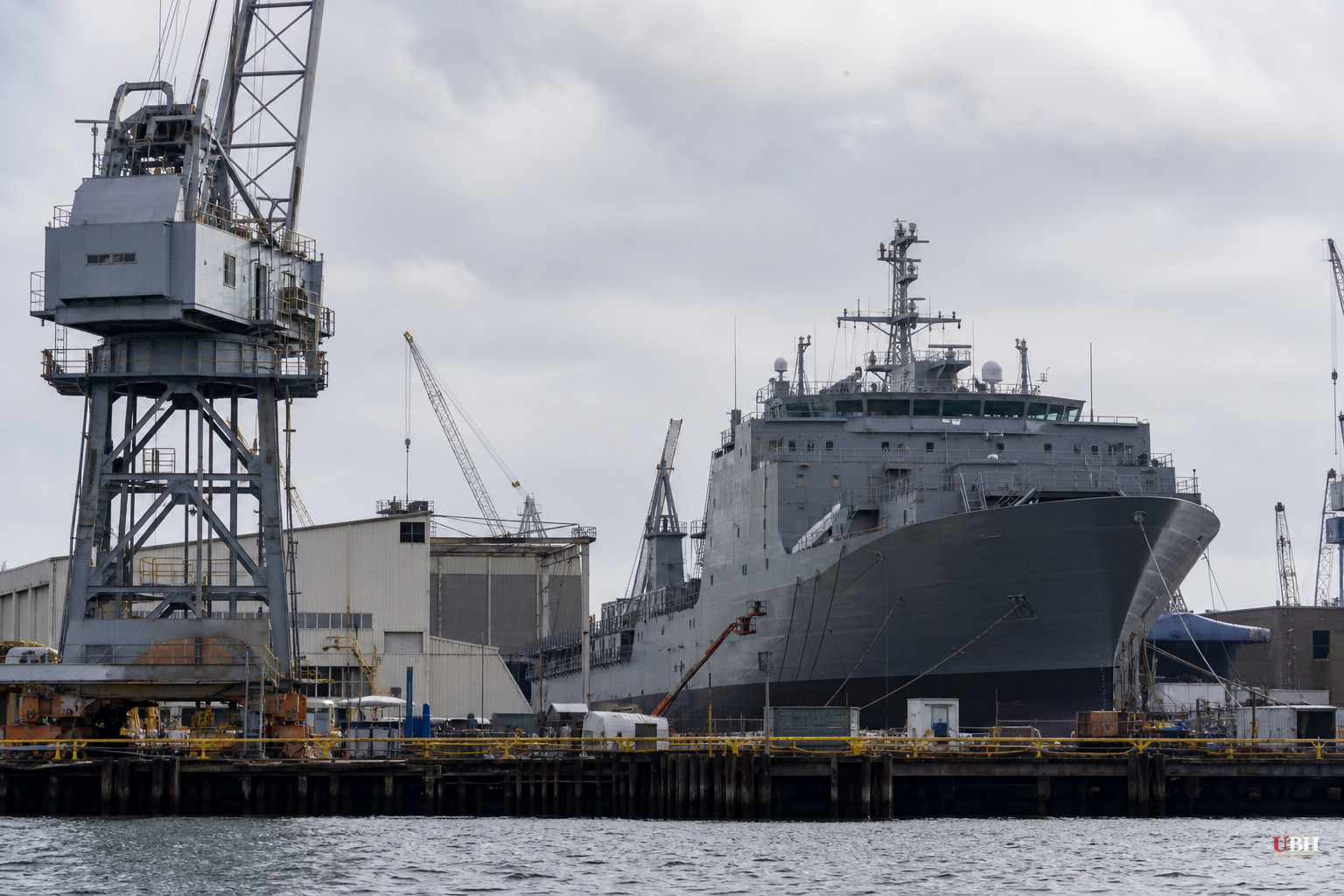
The Jones Act turns 106 years old this year. It was sold to Congress in 1920 as a way to guarantee America always had a strong fleet of cargo ships and the sailors to crew them, ready for war if needed. Instead, the law now stands as a case study in how protectionist policy can backfire on its own goals.
The requirement is simple on paper: any goods shipped between two US ports must travel on vessels that are American-built, American-owned, American-crewed, and American-flagged. In practice, that requirement has made US-flagged ships so expensive to build and operate that almost nobody wants them.
The Jones Act fleet has shrunk to roughly 92 ships, according to figures cited by the New York Post. China, by contrast, is turning out more than 4,000 vessels a year. The US now accounts for a quarter of global economic output but less than 1% of global commercial shipbuilding.
Jennifer Chen of Balsa Research, a research group that tracks shipbuilding data, put it bluntly: "We've had the Jones Act for a hundred years and through that entire time the rate of domestic shipbuilding has decreased decade over decade." This is a century-long trend line.
The practical result is that only 3.9% of domestic US freight moves by sea, compared with 28% in the European Union, according to the Post's reporting. American shippers and consumers have simply found it cheaper to move goods by truck, rail, or foreign vessel wherever the law allows, rather than pay for scarce, costly Jones Act ships.
Who actually pays for this
The law's costs land hardest on places that depend on ocean shipping and have no land-based alternative: Puerto Rico, Hawaii, and Alaska. Goods there often cost more specifically because they must travel on the limited, expensive Jones Act fleet rather than cheaper foreign vessels or direct imports.
One of the more striking examples is liquefied natural gas. There are so few Jones Act-compliant LNG tankers that it is reportedly cheaper for New England utilities to import LNG from overseas than to buy it from other American ports and ship it domestically. That is the opposite of what a law designed to promote American shipping was supposed to produce.
The national security argument, and its counter-argument
Supporters of the Jones Act, including some maritime unions and domestic shipbuilders, argue the law preserves a strategic industrial base and skilled workforce that the country would need in a major conflict. That is a legitimate concern worth taking seriously. A nation that cannot build its own ships or train its own mariners is, in theory, more dependent on allies or adversaries in a crisis.
But the evidence suggests the law has failed at that exact goal. The US military has had to charter foreign-flagged ships to move troops, equipment, and supplies in past conflicts because the domestic commercial fleet is too small and too old to meet demand, according to the Post's account. A protectionist law meant to guarantee sealift capacity has instead presided over the shrinking of that capacity for a hundred years straight. Shipyards keep closing and mariners keep leaving the industry because there is no commercial demand to sustain them. The military benefit the law promises becomes harder to deliver, not easier.
That is the uncomfortable tension at the center of this debate. The people defending the Jones Act on national security grounds are pointing to a real risk. The data on shipyard closures, fleet size, and mariner shortages suggests the law is not actually solving that risk. It may be making the underlying industrial base weaker over time by insulating it from competition rather than building it up.
What comes next
Calls for repeal or reform are not new, but they have gained fresh attention as shipbuilding numbers keep falling. The Post's editorial board is urging President Trump and Congress to prioritize repeal, arguing the law now fails on both its economic and national security justifications simultaneously.
No repeal bill has passed Congress, and the Jones Act remains fully in force as of this writing. Reform proposals over the years have ranged from full repeal to narrower carve-outs for Puerto Rico, Hawaii, and Alaska, or exemptions for specific cargo like LNG. None have gained enough traction to change the law.
The open question is whether the 119th Congress or the Trump administration will move on this in a serious way, or whether the Jones Act simply continues as it has for a century: protected by entrenched interests in domestic shipbuilding and maritime unions, defended on national security grounds that the law's own track record increasingly undercuts.
Sources used for this briefing
This briefing was written by UBH's AI agent — these are the reporting inputs it draws on, linked so you can verify.


