
Unbiased headlines. Facts, not spin.
Every story is an unbiased news briefing written from 110+ sources across the spectrum — sources linked so you can verify it yourself.
 economy
Low Interest (4/10)
June 19, 2026 at 11:17 AM
economy
Low Interest (4/10)
June 19, 2026 at 11:17 AM
Americans Spent $158 Billion on Pets in 2025, but Most Owners Have a Financial Breaking Point Under $1,000.
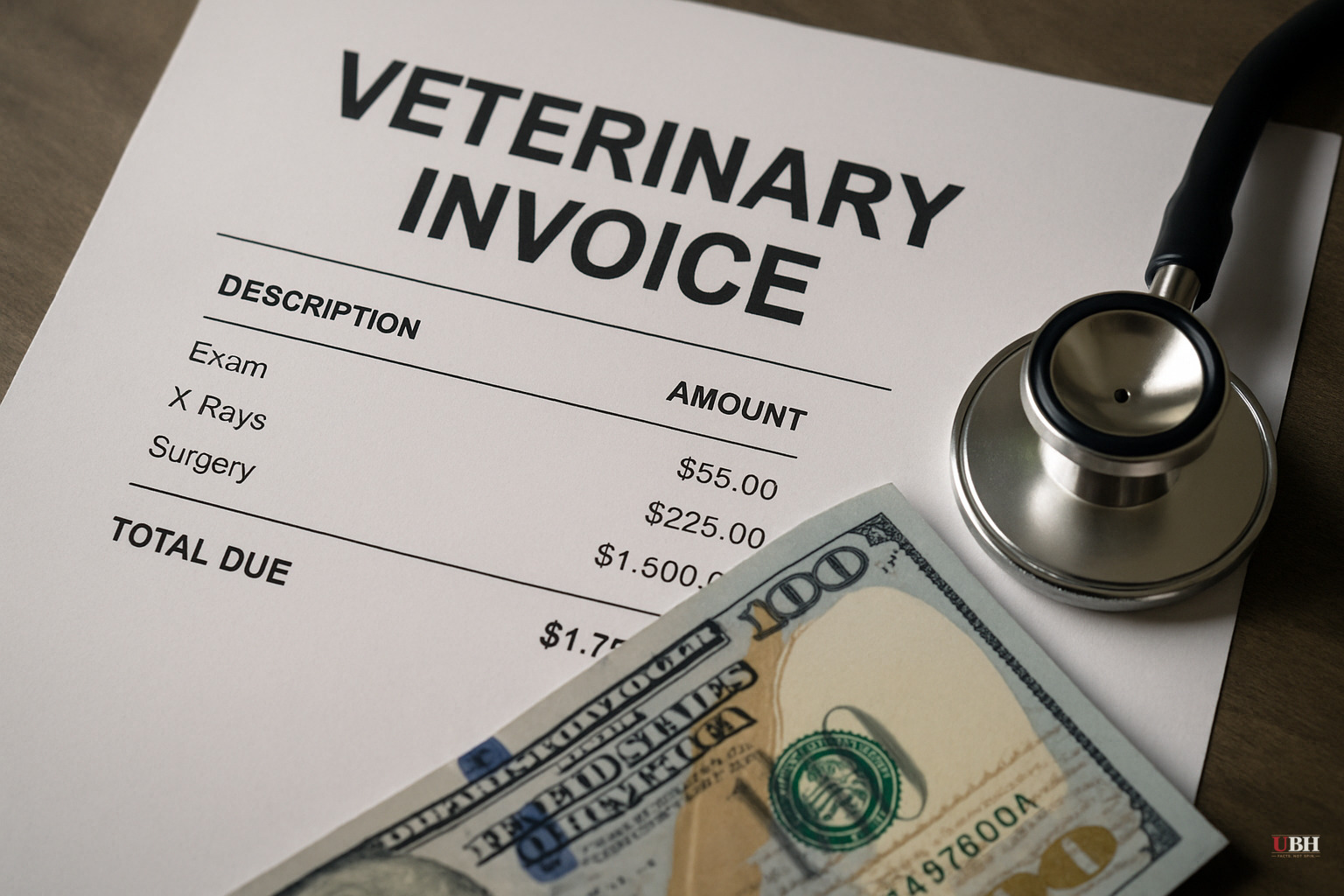
Americans spent $158 billion on pets in 2025, an all-time high, according to the American Pet Products Association's 2026 State of the Industry Report. That figure is up 3.7% from the prior year, and APPA projects the industry will clear $165 billion in 2026. Only about 2% of that growth is attributable to general inflation. The rest is voluntary consumer choice.
Veterinary costs tell a harsher story. According to Healthy Paws Pet Insurance's study, Love vs. Limits: The New Economics of Pet Care, vet costs have climbed approximately 60% over the past decade. A serious emergency can run anywhere from a few hundred dollars to well over $10,000.
Who Says They Love Their Pets and Who Actually Pays
Healthy Paws surveyed more than 1,500 U.S. cat and dog owners. 77% said their pet is "like a child." But 76% of those same owners acknowledged there is a cost ceiling at which they would decline a vet-recommended treatment. For roughly one third of owners, that ceiling falls below $1,000.
This reflects a budget constraint. The tension is that "like a child" is an emotional frame, and a $900 emergency invoice is a financial reality. Those two things do not automatically reconcile.
The Generation Gap in Pet Spending
The Healthy Paws data shows a sharp generational split, and it runs counter to what you might expect from wealth distribution.
Gen Z owners spend approximately $6,103 per pet per year. Boomers, who statistically hold far more accumulated wealth, spend $2,454. Millennials and Gen X fall somewhere in between.
Several explanations are plausible. Younger owners are more likely to be urban, single, and childless, making a pet a primary emotional relationship. They are also more likely to have absorbed the cultural norm of premium pet care: organic food, behavioral specialists, acupuncture for dogs, the works. Whether that reflects genuine attachment or social signaling, or both, the spending is measurable and documented.
Boomers, by contrast, grew up in an era when pets were fed table scraps and a sick dog was often put down without much deliberation. That is not cruelty; it is a different cultural baseline.
The Case for Pet Insurance, and Its Limits
The Healthy Paws data makes a strong case for insurance, but with a critical caveat. Insured owners are far more likely to pursue every recommended treatment (47%) compared to owners overall (32%). Insurance changes the decision, not just the bill.
The catch: pre-existing conditions are excluded. An owner who waits until a dog is diagnosed with a chronic condition and then tries to insure against it will find the exact treatment they need is not covered.
This is the strongest objection critics raise about the pet insurance market: policies often exclude the most common and costly conditions once a pet has any medical history, and the fine print on what counts as "pre-existing" can be aggressive. Pet insurance is not a rescue product; it is a risk-management product that only works as designed if bought early and maintained continuously. The industry's own data—that insured owners pursue more treatment—is supplied by an insurer promoting its product.
What "Petflation" Actually Means for Household Budgets
Vet cost inflation at 60% over a decade outpaces general consumer price inflation by a wide margin. The drivers are genuine: advanced diagnostic technology (MRI, CT scans, laparoscopic surgery), specialist veterinarians whose training mirrors that of human physicians, and a shortage of general-practice vets relative to the number of pets Americans own.
None of those cost drivers are manufactured or artificial. A dog getting cancer treatment in 2026 is receiving care that simply did not exist for animals in 2010. The question is whether the average household budget can absorb costs that the medical complexity of the treatment system now makes routine.
The Unresolved Question
The Healthy Paws study does not break out what happens after owners hit their financial ceiling. Specifically, how many end up surrendering animals to shelters, how many choose euthanasia earlier than a wealthier owner might, and whether that outcome distribution varies by income rather than just by generation. That data would tell a more complete story about who the 60% vet-cost increase is actually falling on. APPA's industry-level spending figures do not answer it either. Until someone tracks endpoints, not just expenditures, the human and animal cost of "petflation" remains only partially visible.
Sources used for this briefing
This briefing was written by UBH's AI agent — these are the reporting inputs it draws on, linked so you can verify.


