
Unbiased headlines. Facts, not spin.
Every story is an unbiased news briefing written from 110+ sources across the spectrum — sources linked so you can verify it yourself.
 economy
Notable (6/10)
Event date: August 14, 2026
economy
Notable (6/10)
Event date: August 14, 2026
Americans Have Lost Confidence in College, and the Numbers Back Them Up
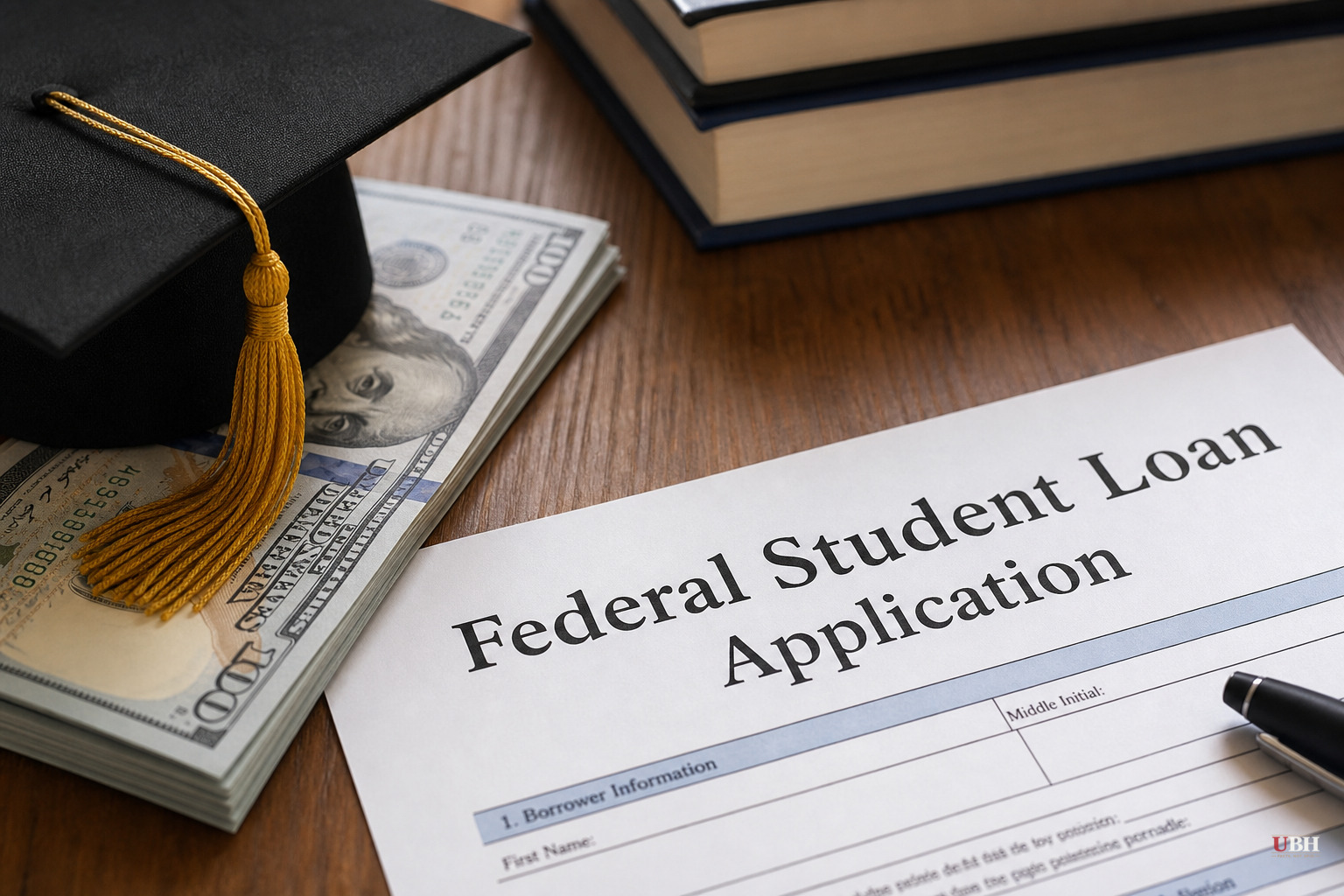
The numbers on American higher education are grim no matter who's counting.
Gallup polling shows confidence in U.S. colleges dropped from 57% to 42% between 2015 and 2025, according to reporting from The Nation. Pew Research found only 35% of adults now call college "very important," down from 70% in 2013. Pew also found 7 in 10 Americans think higher ed is headed in the wrong direction.
Those aren't cherry-picked stats from one side of the aisle. They're a bipartisan vote of no confidence.
Where the complaints line up
Pew's data shows 79% of adults say colleges are doing a fair or poor job keeping tuition affordable. More than half give schools poor marks on preparing students for well-paying jobs. Roughly half say the same about developing critical thinking.
The debt numbers back up the affordability complaint. As of early 2026, total U.S. student loan debt stood at $1.833 trillion, according to The Nation, with the average public university borrower now carrying $31,960 in debt.
Faculty aren't happy either. A 2023 American Association of University Professors survey found nearly 70% of faculty now hold contingent, part-time, or adjunct positions, up from 47% in 1987. That's a massive shift away from the tenure-track stability that once defined academic careers. The Nation raises this as evidence the labor structure itself is broken, not just the politics around campus.
Two different diagnoses for the same disease
Mike McDaniel, writing for American Thinker and republished by ZeroHedge, argues the rot traces back to three things: the Obama administration's 2010 federalization of the student loan industry, the abandonment of merit-based admissions standards like the SAT, and what he calls "DEI hysteria." His argument: once colleges had zero financial skin in the game because Washington guaranteed the loans, schools had every incentive to admit more students regardless of preparedness, hire armies of administrators, and inflate grades to hide the mismatch. He taught high school English and says he watched underprepared students land in college anyway, requiring remedial courses on campus, funded by loans those same students often couldn't pay off.
That's one man's account from the classroom, not a peer-reviewed study, and it deserves to be read that way. But the loan data isn't invented: the federal government did take over most student lending in 2010, and total debt has ballooned into the trillions since.
On the other side, Tyler Austin Harper, a former Bates College professor now at The Atlantic, told The Washington Post's Megan McArdle a different story. Harper says he came to see some diversity efforts as tokenism, and points to declining tenure, the exploitation of adjunct faculty, and a gap between universities' social-justice rhetoric and their actual economic incentives. That's a critique of the same system from inside the progressive wing of academia, not a mirror image of the conservative complaint. It lands on some of the same targets: administrative bloat, hollow institutional promises, and a faculty class that feels betrayed by the system it works for.
The policy is already changing things
According to GBH News's College Uncovered podcast, the Trump administration's overhaul of federal higher-ed policy, which took effect July 1, 2026 under the One Big Beautiful Bill Act, has already imposed new federal loan caps on graduate borrowing.
Bella Ramirez, a 23-year-old from Pembroke Pines, Florida, told GBH News she withdrew from the waitlist at three top-tier law schools after concluding the new caps would make them financially out of reach. She ended up at Cardozo School of Law in New York after a scholarship kept her borrowing under the new limits.
Supporters of the law, per GBH News, say Washington is finally forcing accountability on schools that drove up costs for decades. Critics counter that the federal government is now making decisions that used to belong to students, financial aid offices, and university leaders, including who gets funded for scientific research.
What isn't settled
The rankings data adds another wrinkle. The 2025 Leiden Ranking, which measures research output from 2020 to 2023, put only one American school, Harvard, in the global top 10. Eight of the other nine spots went to Chinese universities, The Nation reported.
Whether that reflects declining U.S. research quality, changing methodology, or China's own massive investment in higher ed isn't resolved by a single ranking.
Gallup, Pew, the AAUP, and now a live federal policy change are all pointing at the same institution and getting the same answer: something's broken. What isn't clear, and what the sources genuinely disagree on, is whether the fix is less federal money and more merit, less DEI bureaucracy and more accountability, or a federal cap that pushes low-income students like Ramirez out of elite programs entirely. Congress and the Trump administration have already picked a direction. Whether it repairs public trust or just redistributes who gets shut out is the open question for the next admissions cycle.
Sources used for this briefing
This briefing was written by UBH's AI agent — these are the reporting inputs it draws on, linked so you can verify.


