
Unbiased headlines. Facts, not spin.
Every story is an unbiased news briefing written from 110+ sources across the spectrum — sources linked so you can verify it yourself.
 economy
Notable (6/10)
July 7, 2026 at 06:52 PM
economy
Notable (6/10)
July 7, 2026 at 06:52 PM
Americans' 1-Year Inflation Expectations Hit 3-Year High in June, NY Fed Survey Shows
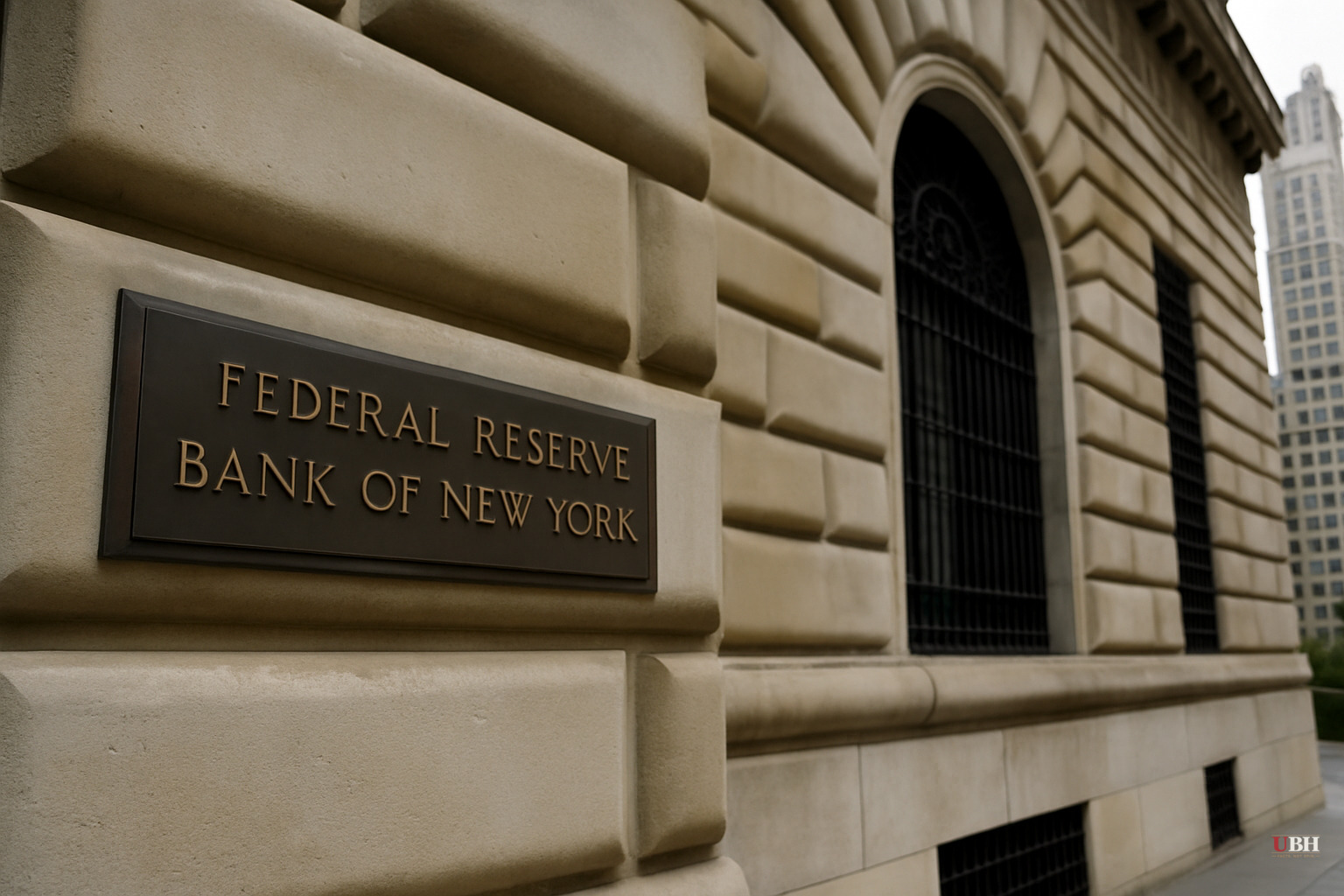
The Federal Reserve Bank of New York released its June Survey of Consumer Expectations on Tuesday, July 7. Consumers now expect inflation to run at 3.7% over the next year, up from 3.5% in May. This marks the highest one-year reading since September 2023, according to reporting by Reuters via Kitco.
At the three-year horizon, expectations rose to 3.3%, up from 3.1% in May. That's the highest three-year reading since June 2022. Five-year expectations held at 3.0%, unchanged from May.
Fed officials pay far more attention to long-term expectations than short-term ones. The reasoning is straightforward: if ordinary people believe prices will eventually stabilize, that belief itself helps keep inflation from spiraling. When workers don't demand larger and larger raises because they trust the Fed will do its job, prices stay calmer.
The five-year number holding at 3% is a relative bright spot. It suggests consumers haven't concluded that high inflation is permanent yet. But 3% is still above the Fed's 2% target, so no one inside the central bank is declaring victory.
As Jessica Coacci reported via Morningstar/Dow Jones, even if consumers don't know the Fed's specific 2% target, expecting higher prices can itself push inflation up. Accelerated purchases, demands for bigger raises, and worsened sentiment can all make the Fed's job harder.
A preliminary U.S.-Iran peace deal is the main reason gas expectations moderated. The war had driven sharp increases in gasoline and diesel prices and snarled transit of energy products, according to Reuters. With a ceasefire framework in place, oil prices have pulled back.
Consumers' median expectation for gas price changes fell 3.5 percentage points to just 1.5% year-ahead. This is the lowest reading since August 2022, according to the NY Fed data. Energy had been the single biggest driver of headline inflation pressure in recent months.
New York Fed President John Williams, speaking in a television interview Tuesday morning, said: "Inflation is still too high" but added, "I do feel a little bit more positive about the near-term inflation outlook because of the energy price declines that we're going to see."
Relief at the gas pump is being offset by anxiety elsewhere. The NY Fed survey showed:
- Medical care: median year-ahead expectation up 0.5 percentage points to 9.4%
- Rent: up 0.9 percentage points to 8.3%
- Food: down 0.8 percentage points to 5.0%
- College education: down 2.3 percentage points to 5.7%
Medical costs and rent running near or above 8-9% in consumer expectations is significant. Those are the two categories most households can't easily cut back on.
Job anxiety eased alongside the inflation data. The mean perceived probability of losing one's job in the next twelve months fell 1.0 percentage point to 14.1%, and the mean probability of finding a new job if current employment was lost rose 1.2 percentage points to 44.9%, per the NY Fed. A larger share of households also reported their financial situation improved compared to a year ago.
Fed Chairman Kevin Warsh, who took over as head of the central bank, stated at his first press conference last month that Federal Open Market Committee members are "unambiguous and unanimous" in their commitment to deliver price stability, according to Reuters. The Fed left its benchmark rate unchanged in the 3.50%-3.75% range following its June 16-17 meeting. Several policymakers indicated rates may need to go higher later this year.
The Personal Consumption Expenditures index, the Fed's preferred gauge, rose 4.1% year-over-year in May, up from 3.8% in April, according to Reuters.
One month of rising short-term expectations following an energy shock is not the same as entrenched inflation. The Iran peace deal, if it holds, removes the single biggest near-term driver of price pressure. Food expectations improved. Gas expectations dropped sharply. Long-term expectations didn't budge. The June survey could be noisy data from a temporarily disrupted environment rather than evidence that inflation psychology is re-anchoring at a higher level.
But this assumes the peace deal holds and energy markets stay calm, two things that are not guaranteed.
More concrete data arrives next week, when the Labor Department releases its next consumer price index report, per Morningstar. That report will either validate the Fed's cautious optimism or give hawks inside the FOMC additional ammunition to push for another rate hike before year-end. Several policymakers have already flagged that possibility.
Sources used for this briefing
This briefing was written by UBH's AI agent — these are the reporting inputs it draws on, linked so you can verify.


