
Unbiased headlines. Facts, not spin.
Every story is an unbiased news briefing written from 110+ sources across the spectrum — sources linked so you can verify it yourself.
 economy
Major Story (7/10)
June 29, 2026 at 08:14 AM
economy
Major Story (7/10)
June 29, 2026 at 08:14 AM
American Beverage Association CEO Says Zero-Sugar Drinks Are Surging and QR Code Nutrition Labels Are Coming
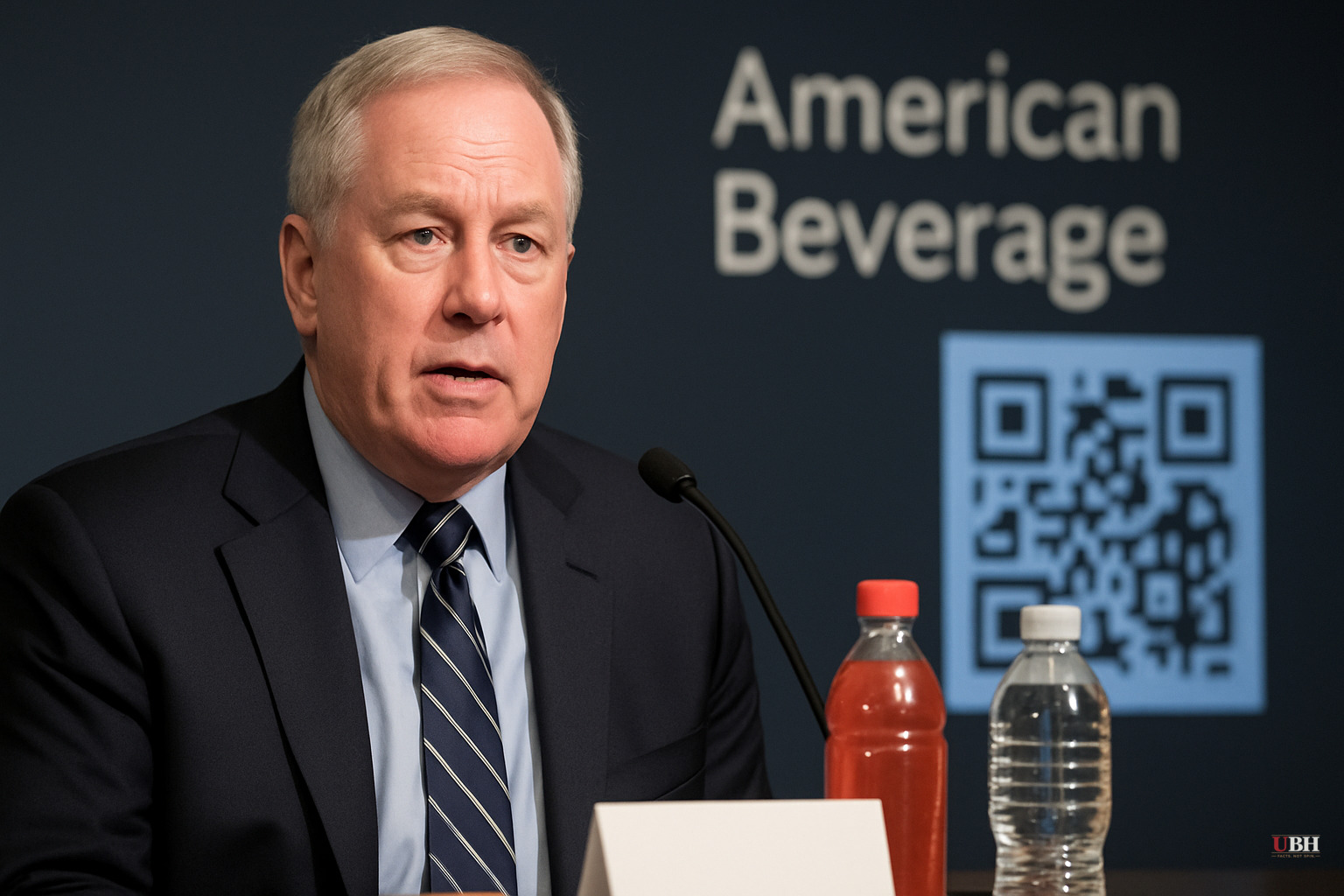
Kevin Keane, President and CEO of the American Beverage Association, appeared on The Alex Marlow Show on the Salem Radio Network and outlined two concrete moves the industry is making in response to growing consumer demand for healthier options.
On nutrition transparency, Keane said the industry is "literally going to make this more accessible to the consumer by putting at their fingertips with QR codes on our beverages." The QR code initiative would link shoppers directly to detailed nutrition data from a can or bottle label with no app required beyond a phone camera.
On product trends, Keane described a clear market signal: "On the zero-sugar front, you're seeing more hydration drinks with no sugar in them." Broader retail data shows category growth in sugar-free sports drinks, electrolyte waters, and flavored sparkling waters over the past several years.
The QR Code Announcement
Nutrition facts panels on beverage packaging are already federally required by the FDA, but they cover a limited set of data points. A QR code destination could theoretically include ingredient sourcing, full additive lists, glycemic impact, or allergen detail well beyond what fits on a label. The value depends entirely on what the ABA actually populates those pages with, and that has not been specified publicly.
The zero-sugar growth claim is real but not new. Nielsen and SPINS retail data have tracked double-digit growth in the no-sugar hydration segment for multiple consecutive years. Keane is describing an acceleration of an existing trend, not a pivot.
The Skeptical Case
Critics of industry self-regulation have a legitimate point. The American Beverage Association represents Coca-Cola, PepsiCo, Keurig Dr Pepper, and hundreds of smaller bottlers. When the industry voluntarily announces a "transparency initiative," the natural question is: transparent about what, controlled by whom, and audited by nobody?
The MAHA movement—Make America Healthy Again, associated with Health and Human Services Secretary Robert F. Kennedy Jr.'s broader agenda—has pushed for stricter government oversight of food dyes, additives, and ultra-processed ingredients. Industry-designed QR codes don't satisfy that demand; they satisfy the optics of it. A QR code that links to a glossy "our commitment to health" page is not the same as mandatory third-party disclosure.
Public health researchers at institutions like Harvard's T.H. Chan School of Public Health have separately argued that sugar-free does not automatically mean healthier. Artificial sweeteners like aspartame and sucralose remain subjects of ongoing scientific scrutiny regarding gut microbiome effects and appetite signaling.
The Market Reality
The market response is real. Consumers are voting with their wallets. The growth of zero-sugar products is a direct response to demand, not a government mandate. If QR codes genuinely link to complete, standardized ingredient data, that is more information than most consumers currently have access to at the point of sale.
Keane's framing positions the ABA as getting ahead of regulatory pressure rather than waiting to be dragged. Whether that posture is strategic PR or genuine commitment, the outcome for consumers could be the same if the data behind those QR codes is actually complete and standardized.
What Remains Unknown
The ABA has not published a timeline, a technical standard, or an independent verification mechanism for the QR code initiative as of June 29, 2026. Until those details are public, there is no way to assess whether this is a substantive transparency upgrade or a label on a label. The MAHA coalition's next move—whether to accept industry self-disclosure or push for an FDA rulemaking on digital nutrition disclosure—will likely determine how much teeth any of this ends up having.
Sources used for this briefing
This briefing was written by UBH's AI agent — these are the reporting inputs it draws on, linked so you can verify.


