
Unbiased headlines. Facts, not spin.
Every story is an unbiased news briefing written from 110+ sources across the spectrum — sources linked so you can verify it yourself.
 economy
Notable (5/10)
July 19, 2026 at 01:08 PM
economy
Notable (5/10)
July 19, 2026 at 01:08 PM
American Airlines CEO Robert Isom Admits $3 Billion Profit Gap With Rivals, Bets on Luxury Lounges and Loyalty Program
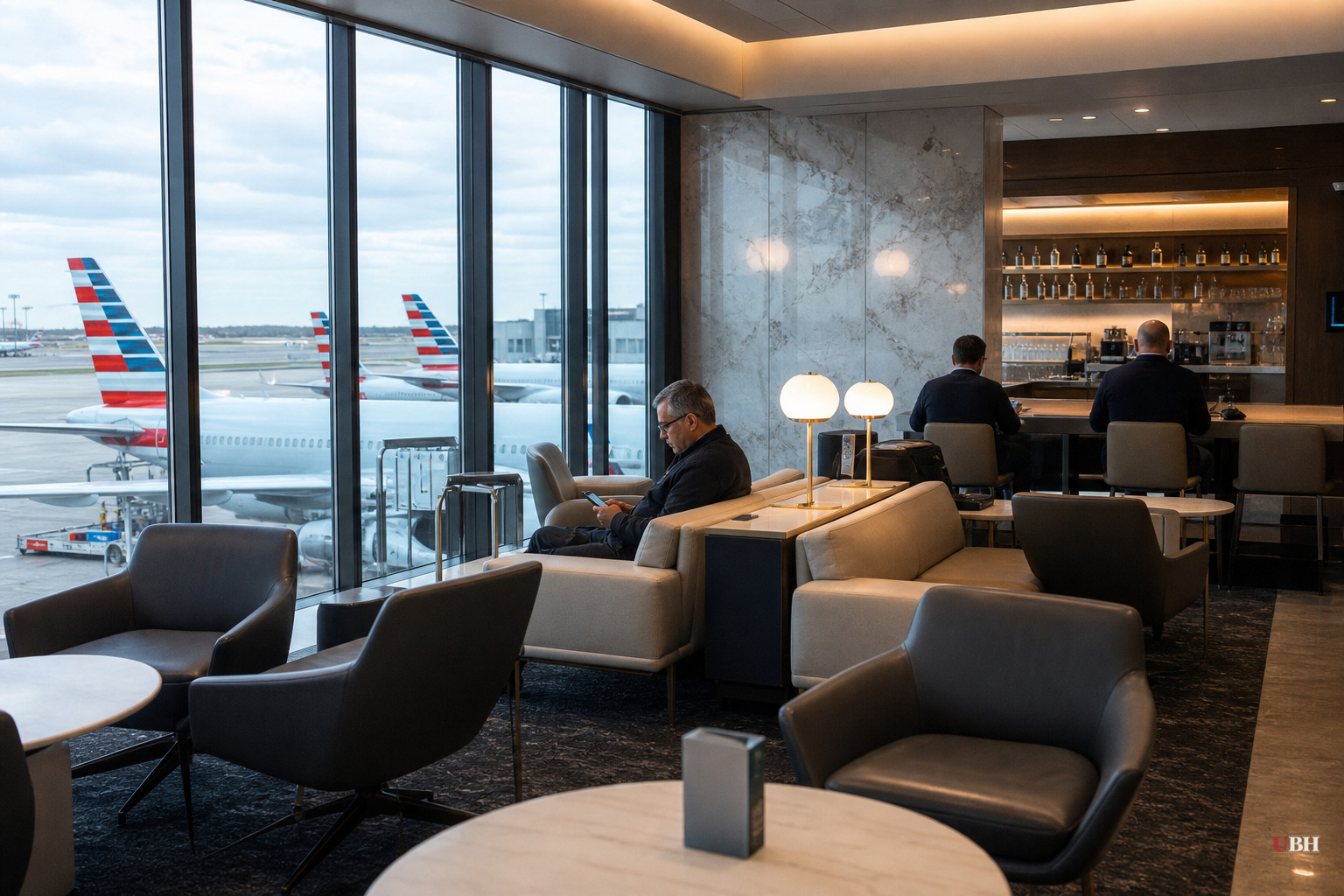
American Airlines has a numbers problem it can't spin away. The carrier runs about 6,500 flights a day, more volume than any competitor, according to aviation data firm Cirium. Yet it's making far less money doing it.
United Airlines earned roughly $3 billion more than American last year. Delta Air Lines, the industry's profit leader, beat American by nearly $5 billion, according to CNBC. Same skies, same fuel costs, wildly different bottom lines.
CEO Robert Isom isn't hiding from the math. In an interview with CNBC late last month at American's Fort Worth, Texas headquarters, Isom said the airline and its nearly 140,000 employees want to be, in his words, the best at everything they do. He called the company's long-range plan an effort to close the margin gap with United and Delta, but he gave no date for when that happens.
Big talk, no deadline. American's leadership knows exactly where it's losing and by how much. What it hasn't committed to publicly is when the bleeding stops.
The Plan: Spend Money to Make Money
American's executives laid out a strategy built on four pillars, according to CNBC: growing the loyalty program, improving the customer experience, expanding the route network, and chasing higher-end revenue from travelers willing to pay more.
In practice that means bigger, more upscale airport lounges. A new wide-body aircraft order. Fresh cabin interiors rolling out across more of the long-haul fleet, aimed squarely at business and first-class spenders. American also recently added satellite Wi-Fi through SpaceX's Starlink, joining other carriers that have already made that move.
CFO Devon May put the goal in blunt terms: the real test is whether American closes the revenue gap and the unit revenue gap with its rivals. Not whether it runs an efficient operation. American already does that. Isom described the company's identity as a premium global airline with the largest footprint in North America. Footprint isn't the issue. Getting people to pay premium prices for that footprint is.
Why American Fell Behind
Delta and United started chasing high-margin customers years ago, building out loyalty programs, credit card partnerships, and premium cabins long before American made it a stated priority, according to CNBC's reporting. That head start shows up directly in the profit numbers. American is now playing catch-up on a strategy its competitors have had time to refine and monetize.
American hasn't decided whether to bring back seatback screens on much of its narrow-body fleet, a small detail but one that shows the airline is still weighing basic customer-experience calls that rivals settled a while ago.
The Fuel Wildcard
Jet fuel prices spiked this year after the Iran war disrupted markets, catching carriers off guard, according to CNBC. Airlines are passing more of that cost onto ticket prices, and executives don't expect fares to drop meaningfully anytime soon. United and Delta both reported strong bookings earlier this month despite the higher fares, suggesting demand hasn't cracked yet even as travelers pay more.
Higher fuel costs plus resilient demand equals pricing power for airlines across the board, not just American. Whether that pricing power is good for the flying public is a separate question from whether it's good for American's balance sheet.
What Wall Street Expects
Analysts forecast American will earn 64 cents a share this year on an adjusted basis, up almost 80% from last year, according to estimates cited by CNBC. Those are estimates, not results. American reports second-quarter earnings Thursday and is expected to update its full-year forecast at that time.
Looking further out, Wall Street projects American could roughly quadruple adjusted earnings by 2027 to $2.58 a share, according to CNBC. That's a projection built on the premium strategy actually working, not a guarantee.
The Open Question
American's plan is coherent on paper: sell more premium seats, build a stickier loyalty program, upgrade the product. Delta and United proved the model works. What's unproven is whether American can execute it fast enough to matter, or whether by the time its lounges and new cabins roll out, competitors have moved further ahead again.
Isom's own words are the honest summary: the plan is to close the gap, timeline unspecified. Investors and employees will get their next data point Thursday when American reports second-quarter earnings and, presumably, offers some indication of whether the strategy is showing up in the numbers yet.
Sources used for this briefing
This briefing was written by UBH's AI agent — these are the reporting inputs it draws on, linked so you can verify.


