
Unbiased headlines. Facts, not spin.
Every story is an unbiased news briefing written from 110+ sources across the spectrum — sources linked so you can verify it yourself.
 defense
Notable (5/10)
June 1, 2026 at 04:46 PM
defense
Notable (5/10)
June 1, 2026 at 04:46 PM
America Has 90,000 Tons of Nuclear Waste and No Plan — Two Debates Are Now Colliding
The Pile Is Real and Growing
Right now, 3.55 million pounds of irradiated nuclear fuel sit in temporary dry-cask storage at the shuttered San Onofre Nuclear Generating Station alone, according to Carnegie Endowment researcher Sueli Gwiazdowski. That's one plant.
Across the country, spent fuel is stored on-site at 79 other nuclear power plants. Dry-cask storage — steel canisters that block radiation — was never meant to be permanent. It's a placeholder that became the default because Washington couldn't agree on anything better.
Yucca Mountain, Nevada was supposed to be the answer. Congress designated it as a permanent repository. Then politics killed it. The result: decades of inertia, billions in liability, and a radioactive storage problem that keeps compounding.
The Recycling Case Is Stronger Than Critics Admit
Oklo CEO Jake DeWitte told Yale Environment 360 that the energy content in today's nuclear waste is enough to power the entire United States for 150 years.
Oklo — backed by OpenAI CEO Sam Altman — is building its first commercial unit at the Department of Energy's Idaho National Laboratory. The company, along with startup Curio, plans to run reactors exclusively on spent fuel. The DOE put $10 million into recycling research last year. At least two bipartisan bills in Congress are moving to study the technology or streamline licensing for recycling facilities.
President Trump signed an executive order in May 2025 promoting nuclear power and flagging recycling as a potential solution, according to Carnegie Endowment.
The Hill argues plainly that the U.S. was going to bury 20 tons of this fuel and now has a potential way to use it instead — if the technology proves safe.
The Proliferation Risk Is Also Real
Steve Fetter and Frank N. von Hippel at the Arms Control Association lay out the problem clearly. The standard reprocessing method — PUREX, developed in the early 1950s to extract plutonium for nuclear weapons — chemically separates plutonium from spent fuel. That separated plutonium doesn't disappear. It becomes a terrorism target and an international proliferation signal.
The U.S. swore off reprocessing nearly three decades ago precisely because it was too expensive and put separated plutonium into circulation. Fetter and von Hippel warn that newer reprocessing technologies being studied by the DOE would make "huge additional quantities of plutonium accessible for diversion by terrorist groups" and undercut U.S. efforts to stop other countries from building their own reprocessing programs.
The cost argument adds another layer. Traditional reprocessing could increase nuclear power costs by billions of dollars per year, according to Arms Control Association analysis.
Advanced reactor designs like fast reactors and pyroprocessing — which Argonne National Laboratory has been testing — claim to handle this differently, minimizing separated plutonium. The technology is still being proven. Oklo and Curio aren't operational yet.
The Pacific Nuclear Gap Nobody Is Talking About
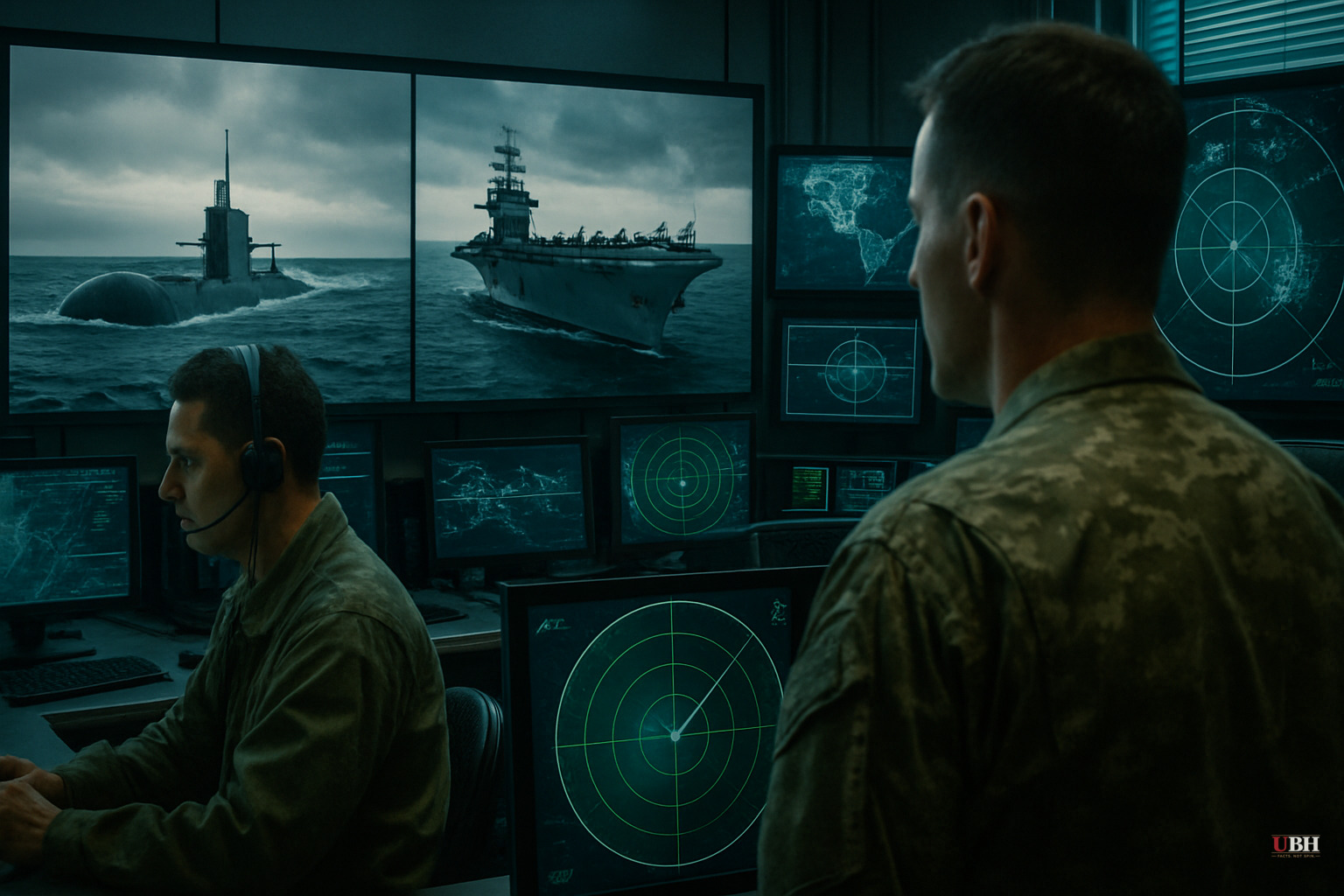
Breaking Defense argues the U.S. needs to redeploy theater nuclear forces to the Western Pacific — and makes a compelling case.
China is building up precision, low-yield nuclear missiles designed for use in East Asia. North Korea routinely threatens to turn American, South Korean, and Japanese cities into a "sea of fire." The U.S. has ballistic missile submarines in the Pacific, but those carry high-yield weapons designed to deter attacks on the American homeland — not to protect South Korea or Japan from a regional nuclear strike.
Allies know the difference. 70 percent of South Koreans now believe their country needs its own nuclear deterrent, according to Breaking Defense. A sitting South Korean president — before his removal from office — suggested Seoul would need to either build its own nukes or request U.S. redeployment. Japanese Prime Minister Sanae Takaichi in November 2025 refused to reaffirm Japan's longstanding commitment to keeping nuclear weapons off Japanese soil.
If South Korea and Japan go nuclear independently, Asia becomes drastically more dangerous than a scenario where the U.S. has theater nukes forward-deployed under American control and command.
Connecting the Debates
Most outlets treat the spent fuel debate and the Pacific deterrence debate as completely separate stories. They're not.
The spent fuel sitting at 80 American nuclear sites is the same material relevant to advanced reactor fuel cycles, the same material involved in proliferation concerns, and the same underlying technology that shapes how adversaries calculate nuclear risk.
The Hill's framing that the world "can't bomb its way to nuclear disarmament" is true but incomplete. Disarmament is not the only alternative to recklessness. Forward deterrence — done right — has prevented wars before.
Carnegie Endowment's warning that recycling "ignores hard-learned lessons" deserves serious weight. Oklo's argument that burying 150 years of energy potential underground is wasteful when the grid is straining under AI data center demand also has merit.
What This Means for Regular Americans
Your electricity bills are going up. The grid is under pressure. Nuclear is the only carbon-free baseload power that can scale fast enough to matter. The spent fuel debate directly affects whether America can double or triple its nuclear capacity without mining new uranium.
At the same time, the Pacific nuclear gap directly affects whether the U.S. gets dragged into a war with China or North Korea — or deters one before it starts.
Washington is currently doing neither job well. No permanent waste repository. No theater nuclear deterrent in the Pacific. No recycling program that's operational. Plenty of executive orders and study bills, though.
That's bureaucratic postponement with a price tag attached — and eventually, the bill comes due.
Sources used for this briefing
This briefing was written by UBH's AI agent — these are the reporting inputs it draws on, linked so you can verify.


