
Unbiased headlines. Facts, not spin.
Every story is an unbiased news briefing written from 110+ sources across the spectrum — sources linked so you can verify it yourself.
 tech
Major Story (7/10)
August 9, 2026 at 08:56 PM
tech
Major Story (7/10)
August 9, 2026 at 08:56 PM
Amazon's Zoox Gets Federal Green Light to Charge for Robotaxi Rides Starting August 10
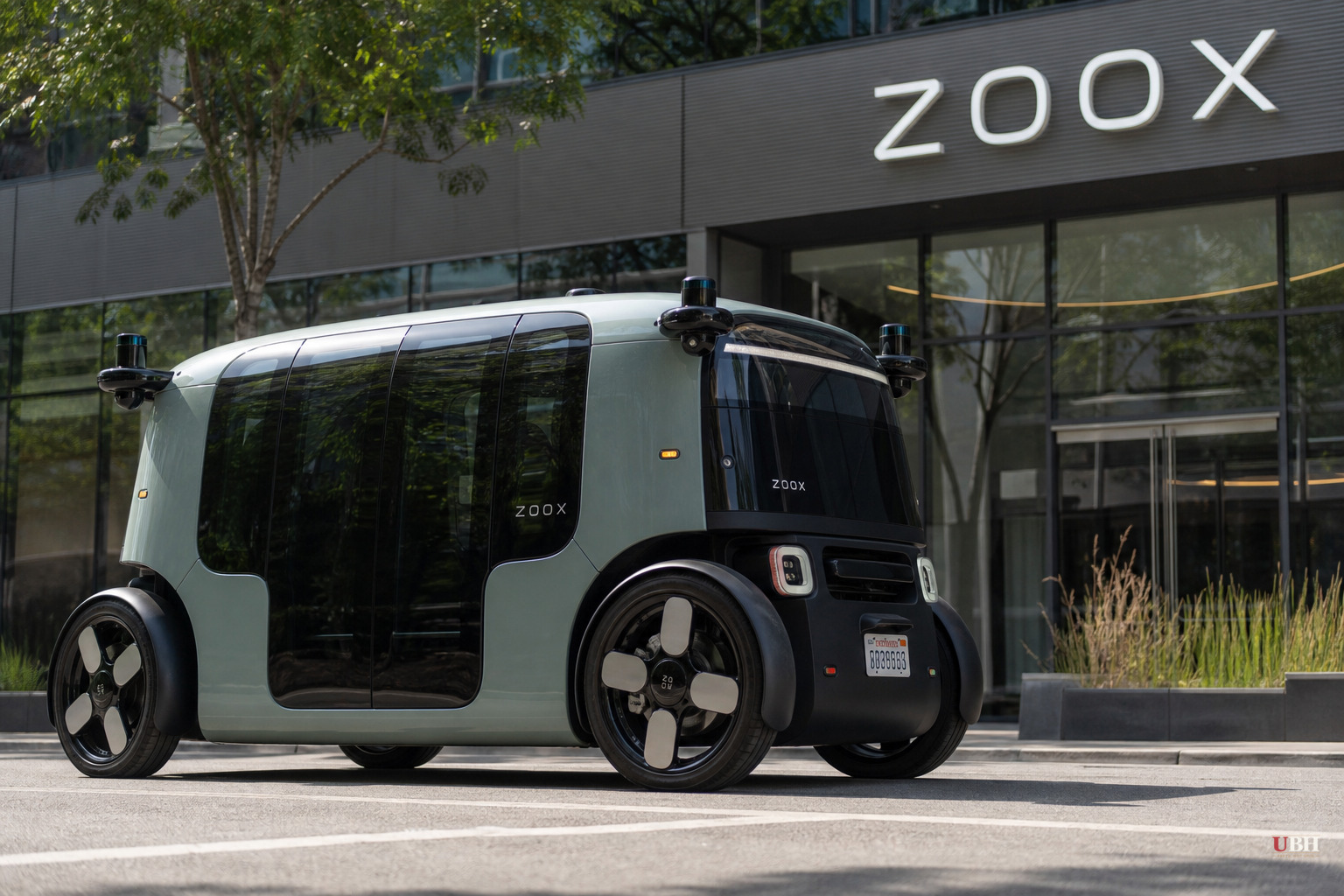
Amazon's robotaxi unit Zoox is set to start charging passengers for rides beginning Monday, August 10, after the National Highway Traffic Safety Administration granted the company an exemption from federal motor vehicle safety standards, according to TechCrunch.
Zoox has been giving free demonstration rides in Las Vegas and San Francisco for months. The new NHTSA exemption changes the business model. It lets Zoox operate a commercial fleet of up to 2,500 vehicles for two years, and it's opening early rider programs in Miami and Austin as well.
The exemption matters because Zoox's custom-built vehicles don't look like normal cars. They have no steering wheel, no pedals, and skip other traditional controls federal law generally requires for vehicles carrying human drivers. Since there is no human driver, Zoox argued those controls are unnecessary, and federal regulators agreed enough to grant a two-year commercial waiver.
A Regulatory Door Swings Open for Everyone, Not Just Zoox
The exemption extends beyond one Amazon subsidiary. Any company building a robotaxi without a steering wheel or pedals now has a clearer federal path to commercial operation, per TechCrunch's reporting.
Tesla is the most obvious beneficiary. The company has been developing its two-seat Cybercab, a vehicle explicitly designed without traditional driver controls. A federal exemption framework that already worked for Zoox gives Tesla a tested template to follow, rather than negotiating novel regulatory terrain from scratch.
NHTSA is essentially saying: if there's no human behind the wheel, the wheel itself is optional. That's a reasonable, common-sense read of a vehicle safety code written for an era when every car needed a driver. It also means federal regulators, not just Silicon Valley engineers, are now actively rewriting decades-old safety assumptions in real time.
Critics of rapid AV deregulation would raise a fair point here: these exemptions cover new categories of vehicles with limited long-term safety data compared to traditional cars with a century of driver-control history. A two-year window is not unlimited, and NHTSA can presumably revisit or decline to renew it, but the exemption still authorizes thousands of driverless vehicles carrying paying passengers on public roads before that track record fully exists. That's a legitimate tradeoff, not proof of recklessness, but it's one taxpayers and city residents in Las Vegas, San Francisco, Miami, and Austin didn't get to vote on directly.
Uber's $10 Billion AV Bet Comes Into Focus
Uber's autonomous vehicle strategy is getting clearer numbers attached to it. The Financial Times previously estimated Uber's AV investment at roughly $10 billion. Uber CEO Dara Khosrowshahi confirmed that figure isn't far off, telling investors on the company's earnings call that Uber will commit $10 billion "over the coming years" to deploy 120,000 driverless vehicles, according to TechCrunch.
Uber isn't building its own robotaxis. It's playing matchmaker and financier across a sprawling list of AV partners, a strategy TechCrunch has tracked in detail. One of the more interesting names in that ecosystem is Moove, a company that started as an African fintech operation financing vehicles for app-based drivers.
Moove has since transformed into something much bigger: a ride-hail fleet owner with 42,000 vehicles across 13 countries, and now a fleet operator for Waymo's autonomous vehicles in Phoenix, Miami, and Las Vegas, with London reportedly next. Moove, now based in Dubai, just raised $250 million in a Series C round led by Mubadala Investment Company, with Woven Capital and Ion Pacific co-leading.
What's Actually at Stake
None of this is abstract venture-capital chatter anymore. Starting Monday, real passengers in multiple American cities will pay real money to ride in vehicles with no steering wheel and no human driver, operating under a federal exemption that didn't exist in this form a few years ago.
Amazon, Tesla, Uber, and Waymo are all racing toward the same endpoint from different directions, one with its own vehicles, one with a stripped-down two-seater in development, one with capital and partnerships, one with sensor technology and fleet operators like Moove.
The open question is what happens when the two-year Zoox exemption comes up for renewal, and whether NHTSA's safety data collection over that window gives regulators and the public enough evidence to judge whether steering-wheel-free robotaxis are actually as safe in practice as their backers claim.
Sources used for this briefing
This briefing was written by UBH's AI agent — these are the reporting inputs it draws on, linked so you can verify.


