
Unbiased headlines. Facts, not spin.
Every story is an unbiased news briefing written from 110+ sources across the spectrum — sources linked so you can verify it yourself.
 economy
Notable (6/10)
July 31, 2026 at 10:11 AM
economy
Notable (6/10)
July 31, 2026 at 10:11 AM
Amazon Collected $600 Million in Trump Tariff Refunds, Will Return Some to Shoppers
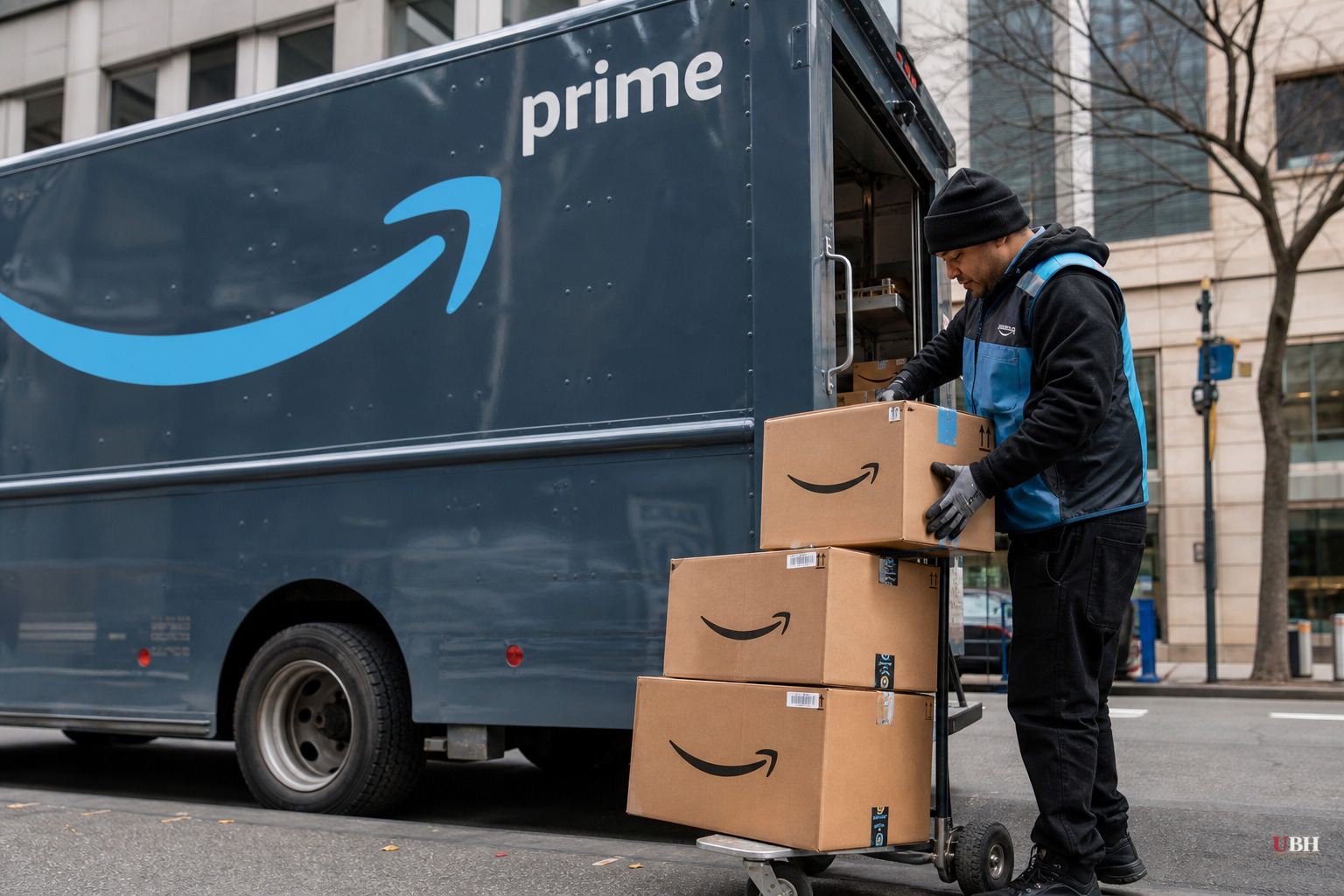
Amazon disclosed Thursday, July 30, that it collected roughly $600 million in tariff refunds during the second quarter, following the Supreme Court's February ruling that President Trump exceeded his authority when he imposed tariffs under the International Emergency Economic Powers Act of 1977.
CFO Brian Olsavsky delivered the number on the company's earnings call. "We are participating in the tariff refund process and, as I mentioned earlier, we received approximately $600 million in Q2," he said, according to CNBC.
That ruling forced the federal government to start repaying duties to companies that got hit by tariffs Trump imposed without proper legal authority. Apple, Walmart, Costco, Home Depot and General Motors have all said they're seeking refunds too. Apple disclosed Thursday that refunds lifted its third-quarter earnings per share by 5%, or 11 cents.
Why Amazon's refund is smaller than you'd expect
Olsavsky gave two reasons Amazon's refund wasn't bigger. First, the company stockpiled inventory ahead of the tariffs taking effect, which limited its exposure. Second, Amazon isn't the importer of record for most items sold on its platform. More than 60% of goods sold through Amazon's marketplace come from third-party sellers who import directly and have been filing for their own refunds separately.
Olsavsky also told analysts, according to Business Standard, that "in cases where we did see an increase in costs due to tariffs, we largely absorbed these costs rather than pass them on to customers." That's Amazon's own characterization of what happened, not an independently verified figure.
Who actually gets money back
Don't expect a check in the mail if you bought something on Amazon during the tariff period. Olsavsky was specific: only a "limited set of circumstances" qualify, where the company can trace that a specific import charge was passed directly to a specific customer.
"We've identified a limited set of circumstances where we can trace that we've passed specific import charges onto customers, and when we receive those refunds, we will proactively contact affected customers and automatically issue refunds to them," Olsavsky said.
Everybody else is out of luck on a direct refund. The rest of that $600 million, Olsavsky said, will be plowed into Amazon's broader low-price strategy, the same move Walmart says it's making with its own refund proceeds.
The political backdrop
In April, Trump told CNBC he'd "remember" companies that didn't apply for refunds, a comment made after reports surfaced that firms including Amazon might be sitting on their hands to avoid annoying the White House.
Amazon had already drawn Trump's ire once. Last spring, reports emerged that Amazon planned to display the cost of tariffs next to affected products on its site. NBC News reported that Trump personally called Amazon founder and executive chairman Jeff Bezos to complain, and Amazon dropped the plan.
Then in May, a group of consumers filed a class-action lawsuit in federal court in Seattle, alleging Amazon was dragging its feet on seeking refunds specifically to "curry favor" with Trump and that customers were owed money back for tariff-inflated prices they'd already paid. That suit is a private legal claim, not a government finding of wrongdoing, and no court has ruled on its merits.
It's fair for shoppers and consumer advocates to ask why a company sitting on $600 million in windfall refunds is only passing along a sliver of it directly to the people who arguably paid the inflated prices in the first place. Amazon's answer, that it can't cleanly trace most transactions to individual buyers, is a legitimate operational constraint, not necessarily a dodge. But it's also the answer a company wants to give when returning less money is cheaper than returning more.
Costco has said it started submitting refund claims too and plans to return proceeds to customers "in some form," though the company said how much and when depends on multiple factors, according to Business Standard. Walmart says it'll prioritize using its refunds to invest in prices rather than issue direct reimbursements.
The unresolved question is straightforward: how much of that $600 million actually reaches identifiable customers versus how much simply becomes marketing language for "everyday low prices." Amazon hasn't put a number on either bucket. The Seattle class action, still pending, may be the venue where that gets tested with subpoenas Amazon can't spin on an earnings call.
Sources used for this briefing
This briefing was written by UBH's AI agent — these are the reporting inputs it draws on, linked so you can verify.


