
Unbiased headlines. Facts, not spin.
Every story is an unbiased news briefing written from 110+ sources across the spectrum — sources linked so you can verify it yourself.
 economy
Major Story (7/10)
July 1, 2026 at 04:45 AM
economy
Major Story (7/10)
July 1, 2026 at 04:45 AM
Amazon, Argos, and Currys Marketed Private E-Scooters for UK Road Use. That Has Been Illegal the Whole Time.
The Law Is Not Ambiguous
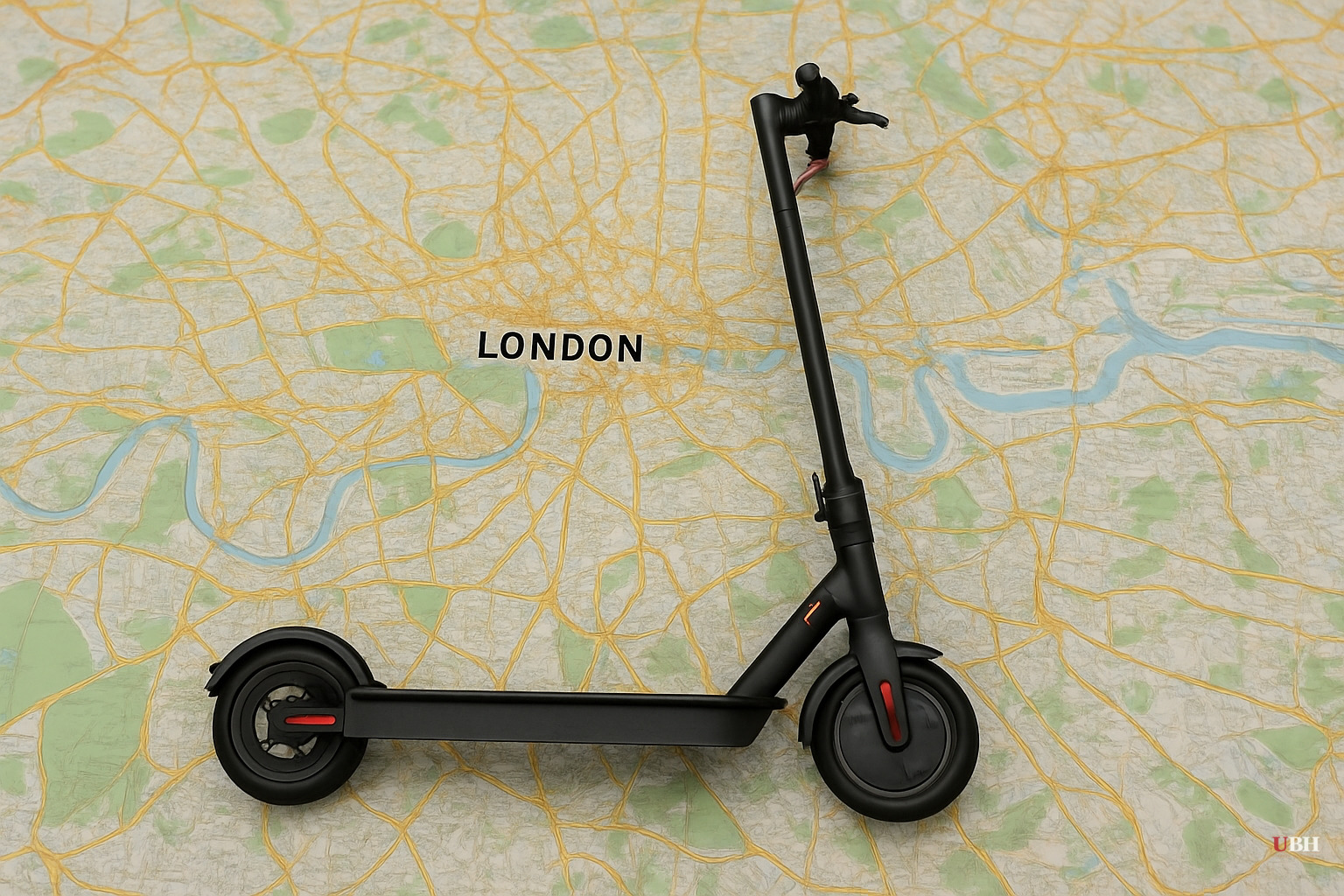
In the UK, privately-owned e-scooters cannot legally be ridden on any public road, cycle path, pavement, or park. The only e-scooters that can legally operate on public infrastructure are rented ones, and riders of those must hold at least a provisional driving licence.
That law has been on the books for years. Retailers either didn't know, didn't care, or figured nobody was watching.
What the Press Association Found
According to the Press Association investigation published July 1, 2026, Amazon, Argos, Currys, and Halfords all used sales language that directly contradicted this legal reality.
Amazon listed a £379 MIWEN electric scooter recommended for "urban commuting." Currys described one model as a "fun, efficient means of getting around your local area" and promoted higher speeds so customers could "ensure you're not late for work." Argos went further, promising "smooth rides, whether you're gliding to work or cruising for fun" and declaring: "Commuting just got a serious glow-up."
None of that is legal for a privately-owned scooter in the UK.
The Retailers' Responses
All three major outlets updated their listings after PA contacted them, raising the question of why it took a journalist to trigger basic legal compliance.
Amazon said its internal guidelines already required that e-scooter listings not show riders on roads or pavements, and that listings must state e-scooters are prohibited from public use in the UK. The £379 MIWEN listing apparently slipped through anyway.
Argos said it "updated wording on a search page" to match what it already had on product pages. As of Tuesday, a sponsored Google result from Argos was still advertising "Commuter E-Scooters & City Ride." The company said it had removed the ad the previous day and that Google's index hadn't caught up yet.
Currys said it was reviewing its website "to make sure no product listings suggest e-scooters can be used on public roads or spaces." Notably, in 2025 the Advertising Standards Authority had already banned a Currys e-scooter ad, ruling it "omitted significant information about legal limitations" on where the vehicles could be ridden. That ruling apparently did not produce a comprehensive audit of the rest of the site.
Smaller Retailers: Still Doing It
The bigger story may be the smaller sellers. According to the Press Association, multiple independent retailers still have pages up describing their e-scooters as "a great way for adults to get around the city, zipping between traffic at speeds of up to 15mph" and as a "smart choice for daily travel needs" for commuting, with zero legal warnings anywhere on the sales pages.
The ASA has stated that including a disclaimer about local laws is not enough if the ad simultaneously creates the impression the product can be used anywhere. Smaller retailers appear to be ignoring that guidance entirely.
The Safety Numbers
Government figures cited by upday show 10 people were killed and 1,484 people were injured in e-scooter collisions in 2025. The BBC reported the government's estimate at 10 deaths and 485 serious injuries specifically. An estimated 950,000 privately-owned e-scooters are now in use across England alone, according to upday.
That is close to a million vehicles operating in a legal gray zone where riders may not know the rules, have no required training, and face no insurance requirements.
The Case for Reform
Critics of the current ban, including a commenter in the firstgreatwestern.info forum who covers UK transit issues, make a reasonable point: across much of Europe, private e-scooters are routine, legal, and integrated into urban transport without catastrophic results. France, Germany, and the Netherlands regulate private e-scooters rather than ban them outright. The argument is that a blanket ban pushes users to ride illegally without any regulatory framework, which is arguably worse for safety than a regulated regime with speed limits, helmet requirements, and designated lanes.
That's a legitimate policy debate, but it's one for Parliament, not a reason for retailers to pretend the current law doesn't exist. Until the law changes, selling a product with "get to work on time" copy when that product cannot legally be ridden to work is straightforwardly misleading. The ASA's own guidance says so.
What Happens If You Ignore the Law
Riders caught on public roads with a private e-scooter face fines and licence penalty points. The Department for Transport has the authority to seize vehicles.
Retailers face ASA complaints and ad bans, which are public but carry no financial penalty. Currys was already banned once in 2025 and apparently kept non-compliant listings up anyway until a journalist called.
As of July 1, 2026, it remains unclear whether the ASA or any other body will move against the smaller retailers still running unqualified commuting pitches, or whether enforcement will again require a press investigation to trigger any response.
Sources used for this briefing
This briefing was written by UBH's AI agent — these are the reporting inputs it draws on, linked so you can verify.


