
Unbiased headlines. Facts, not spin.
Every story is an unbiased news briefing written from 110+ sources across the spectrum — sources linked so you can verify it yourself.
 health
Low Interest (4/10)
July 15, 2026 at 03:56 PM
health
Low Interest (4/10)
July 15, 2026 at 03:56 PM
Alzheimer's Patients Say Early Diagnosis Plus Anti-Amyloid Drugs Bought Them Years, Not a Cure
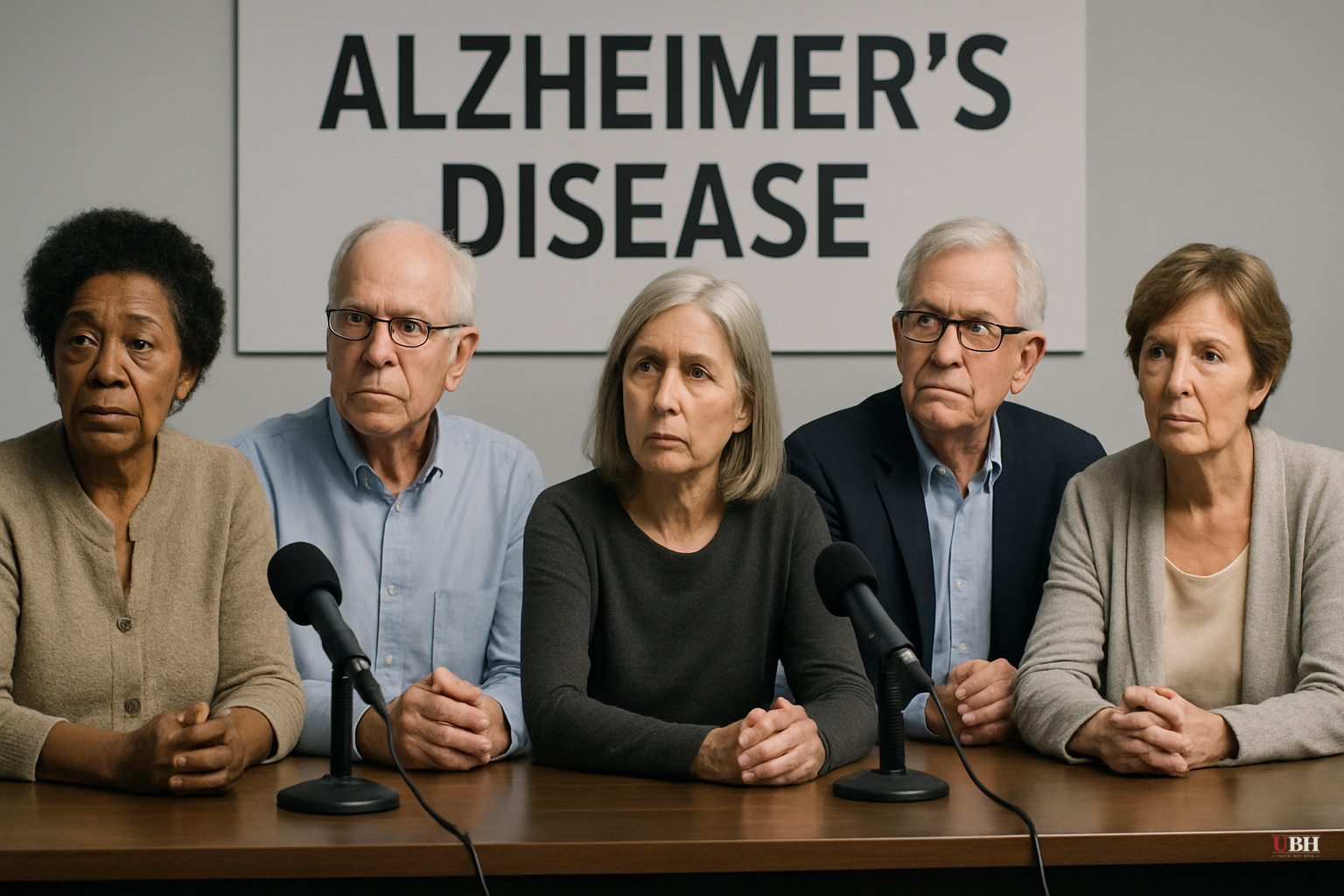
Five Alzheimer's patients from different parts of the country are telling their own stories to make one point: early diagnosis paired with newer anti-amyloid drugs bought them real time, according to an op-ed the patients co-authored for Fox News.
Brent Beasley, a retired internal medicine physician, says he was fired from his job before doctors figured out what was wrong with him. After starting treatment, he says he returned to serving as a deacon at his church, works as a patient advocate, and now teaches medical students about bedside care. Lori Baetz, a retired engineering technician, describes going from getting lost in her own neighborhood to walking her regular routes again with confidence. Ralph Carmona, diagnosed in 2015 and treated through a clinical trial, says he's run five marathons since.
These are individual accounts, not a clinical study. They track with what's known about a newer class of Alzheimer's drugs that target amyloid plaque buildup in the brain, including lecanemab (brand name Leqembi) and donanemab (brand name Kisunla), both of which received full FDA approval in recent years after Leqembi's traditional approval in 2023 and Kisunla's in 2024.
What the drugs actually do
Neither drug reverses Alzheimer's or cures it. Clinical trial data reviewed by the FDA showed these treatments slow the rate of cognitive decline, not stop it. The patients writing in Fox News are careful to say this themselves: they call the treatments a chance to "slow the disease enough to preserve the moments, independence and relationships that make life meaningful," not a fix.
The drugs come with real downsides. Both lecanemab and donanemab carry FDA-mandated warnings for ARIA, amyloid-related imaging abnormalities, which can involve brain swelling or microbleeds. Patients require regular MRI monitoring while on treatment. A handful of deaths tied to ARIA have been reported in trial and post-approval settings, which is part of why doctors emphasize these drugs aren't for everyone and require careful patient selection.
Why early diagnosis is the bottleneck
The patients' central argument is that none of this works unless someone catches the disease early. Both approved drugs are indicated for patients in the early stages of Alzheimer's, specifically those with mild cognitive impairment or mild dementia and confirmed amyloid pathology. Once the disease progresses further, the treatments aren't approved or effective.
That creates a practical problem. Most Americans with cognitive symptoms don't get evaluated quickly. Beasley's own account illustrates this: his employer terminated him over performance lapses before anyone connected those lapses to Alzheimer's. That's not a rare story. Primary care visits for memory concerns often get chalked up to normal aging, and specialist referrals, PET scans, or spinal fluid tests to confirm amyloid pathology can take months to arrange.
The reasonable skepticism here
Critics of the amyloid-targeting approach have a fair point worth stating plainly: the clinical benefit from these drugs, measured in trials, has been modest. Lecanemab's pivotal trial showed roughly a 27% slower decline on a standard dementia rating scale compared to placebo over 18 months, a difference some clinicians and patient advocates argue is real but small in day-to-day terms. Combined with ARIA risk, list prices in the tens of thousands of dollars annually, and the burden of infusions and MRI monitoring, some doctors have urged caution about overselling these drugs as breakthroughs.
General debate within neurology concerns whether modest statistical slowing translates into the kind of meaningful, felt difference the patients in this piece describe. The patients' answer is that for them, it did. Both things can be true: the population-level trial numbers can look modest while individual patients experience outcomes that matter enormously to them.
What happens next
Congress has been a factor in this fight too. Former House Speaker Newt Gingrich has pushed lawmakers to expand funding for Alzheimer's research and improve access to early screening, arguing the disease's cost to families and the federal budget, through Medicare and Medicaid long-term care spending, justifies more aggressive federal investment.
The patients writing in Fox News are asking for something specific: make early diagnosis a national priority, not just a slogan. That means faster primary care referrals, wider insurance coverage for diagnostic testing including amyloid PET scans, and public awareness campaigns aimed at getting people evaluated before symptoms progress past the point these drugs can help.
No federal policy change has been announced in response to this specific op-ed. The unresolved question is whether Medicare coverage, diagnostic infrastructure, and primary care awareness can scale fast enough to get more patients into that early window where lecanemab and donanemab actually have a shot at working.
Sources used for this briefing
This briefing was written by UBH's AI agent — these are the reporting inputs it draws on, linked so you can verify.


