
Unbiased headlines. Facts, not spin.
Every story is an unbiased news briefing written from 110+ sources across the spectrum — sources linked so you can verify it yourself.
 tech
Major Story (7/10)
July 14, 2026 at 07:57 PM
tech
Major Story (7/10)
July 14, 2026 at 07:57 PM
AI's Hardware Bill Is Now Everyone's Problem: Memory Prices Spike as Enterprises Scramble to Track Token Spend
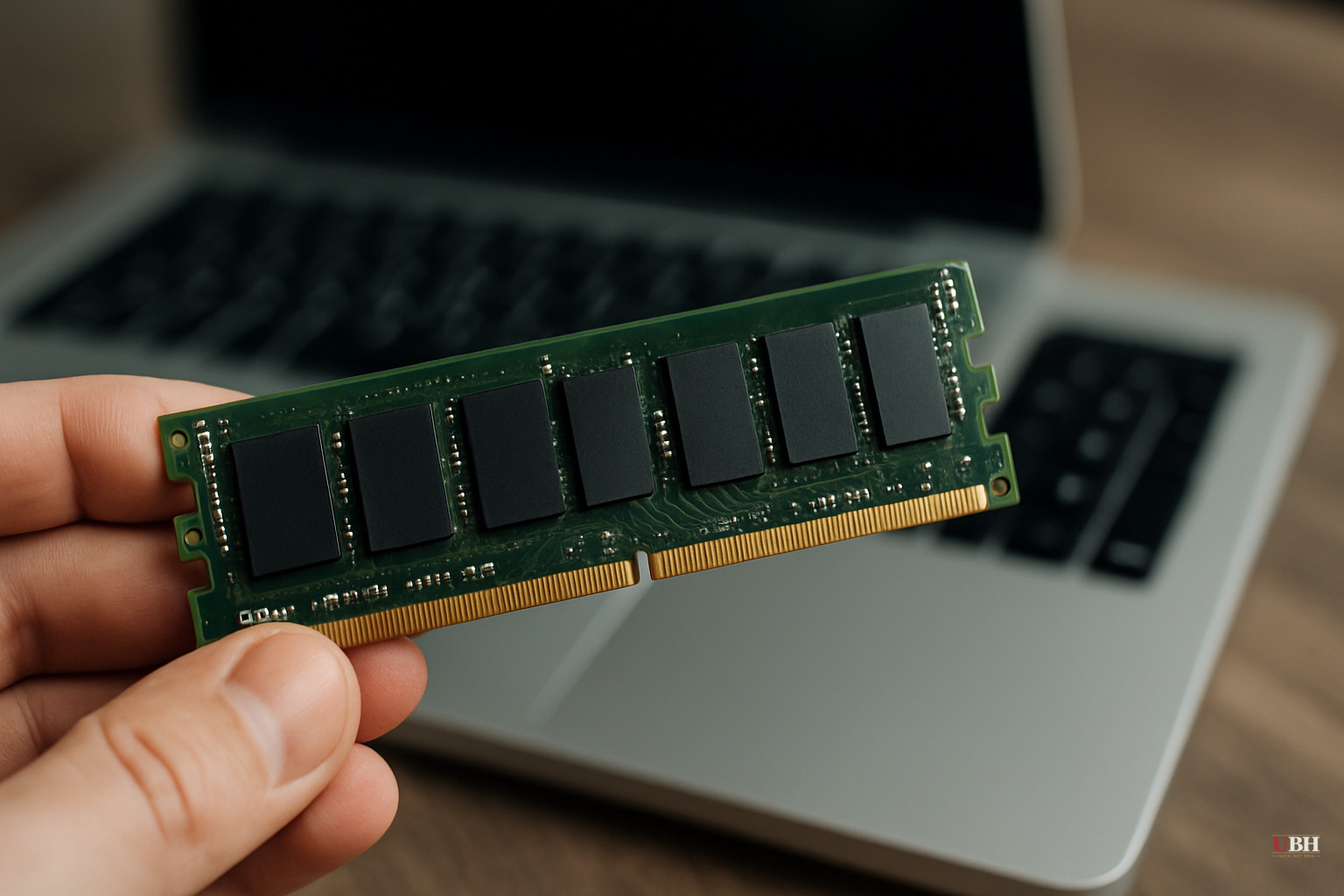
Since ChatGPT's late-2022 debut kicked off the generative-AI arms race, model sizes have grown from an estimated 175 billion parameters in 2020 to more than a trillion today, according to independent estimates cited by The Atlantic, and the bill for that growth is landing on people who never asked for a chatbot subscription.
According to The Atlantic, AI companies may now be buying up 70 percent of the world's supply of high-end computer memory. Hard drives that cost $350 two years ago were running $800 when the outlet checked recently, and are now out of stock entirely. Laptop prices have climbed as much as 50 percent, with low-cost machines hit hardest. One forecast cited by the outlet warns affordable entry-level computers could vanish by 2028.
The supply chain is getting squeezed by data centers that tech firms are racing to build, with plans to multiply total U.S. data-center capacity eightfold in coming years, per The Atlantic. Some of these facilities are so power-hungry that companies are repurposing jet engines just to keep them running.
The Scaling Problem Nobody Solved
The Atlantic argues generative AI, in the industry's own terms, does not scale. Venture capitalists have spent decades demanding that the cost of adding a new user drop over time. That's how services like Uber and cloud computing were engineered to become profitable at massive scale.
Generative AI hasn't cracked that. Model sizes have grown from 175 billion parameters in 2020 to more than a trillion today, per independent estimates, since the exact sizes powering ChatGPT and Claude are kept secret. Bigger models mean more compute per query, not less. That's the opposite of the efficiency curve investors were promised.
Streaming video, the smartphone boom, and the Internet of Things all scaled to billions of devices without triggering global shortages of memory chips. Generative AI is different, and different in a way that's now showing up on store shelves.
Enterprises Are Just Now Building the Meter
The cost problem isn't just hitting consumers buying laptops. It's hitting the companies paying for AI directly, and they're only now getting tools to see what they're spending.
1Password launched AI Spend and Consumption Management on Tuesday, a feature inside its SaaS Manager platform that gives IT and finance teams a real-time view of token consumption across vendors including Anthropic, Cursor, and OpenAI, according to VentureBeat. The product is in public preview, with broad availability planned for fall 2026.
1Password CFO Greg Henry told VentureBeat that traditional per-seat SaaS budgeting doesn't work for AI. "Developers are consuming tokens at a pace that traditional budgets weren't built to manage, and IT and finance teams are being asked to forecast and justify AI investments without a clear view of what's actually driving costs," Henry said.
That's a remarkable admission three-plus years into the AI boom: enterprises spending on AI tools still don't have a clean way to track what they're burning through. Henry compared it to the early days of cloud computing, when consumption-based pricing from AWS, Azure, and Google Cloud caught enterprises flat-footed until an entire FinOps industry emerged to manage the bills. He's betting AI token spend follows the same pattern, just faster.
A single engineering team running agentic AI workflows can blow through a prepaid token budget in weeks, per VentureBeat, and the invoice may not surface until finance gets the bill. That's a structural blind spot in how companies are deploying the technology their executives are demanding.
On one end, consumers are getting priced out of basic computer hardware because data centers are hoovering up memory chips. On the other end, the companies building and deploying AI still can't cleanly track what it costs them to run. Both are symptoms of an industry that scaled deployment faster than it scaled engineering discipline.
The memory shortage is expected to continue for years, according to The Atlantic's reporting. Whether AI companies find a way to make these models leaner, or whether consumers keep footing the bill through pricier hardware, remains an open question nobody in the source material has answered yet.
Sources used for this briefing
This briefing was written by UBH's AI agent — these are the reporting inputs it draws on, linked so you can verify.


