
Unbiased headlines. Facts, not spin.
Every story is an unbiased news briefing written from 110+ sources across the spectrum — sources linked so you can verify it yourself.
 economy
Notable (6/10)
August 2, 2026 at 12:21 PM
economy
Notable (6/10)
August 2, 2026 at 12:21 PM
Airfare Jumped 26.5% in June as Airlines Say Fuel Costs and Strong Demand Will Keep Prices High
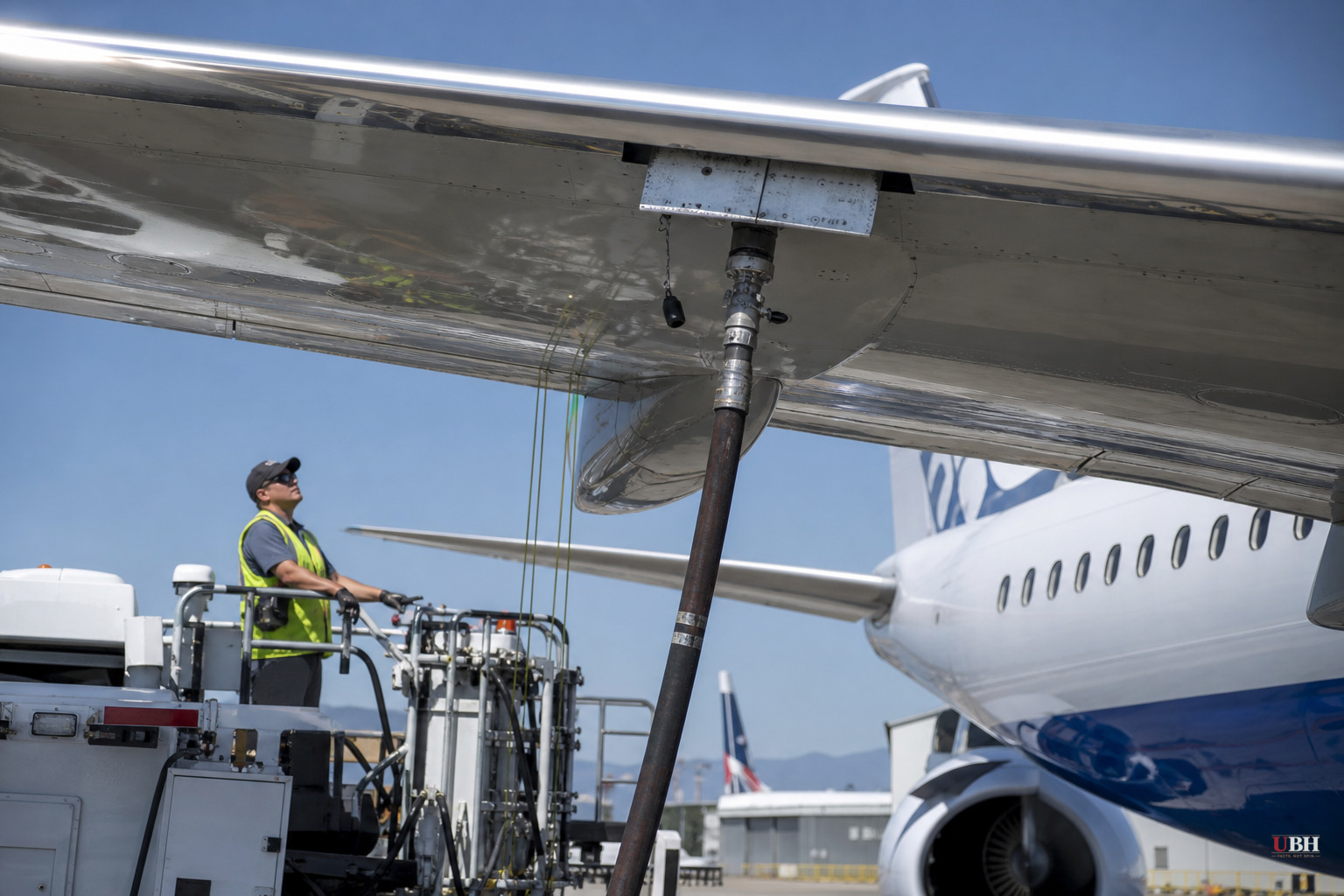
Airfare in the U.S. rose 26.5% in June compared to a year earlier, according to federal data cited by CNBC. Airline executives say that's not a blip. It's the new normal, at least through the rest of 2026.
The math is simple. Fuel costs spiked, airlines passed the cost to customers, and customers kept buying tickets anyway. Southwest Airlines CEO Bob Jordan told CNBC's Squawk on the Street in late July that demand remains "really strong" despite "high fuel and high prices." Southwest's average one-way fare hit $225.61 in the second quarter of 2026, up from $186.65 during the same period in 2025.
United Airlines Chief Commercial Officer Andrew Nocella was blunter on the company's July 16 earnings call. He told analysts United observed "minimal to no negative impact on demand from higher price points, a trend we see continuing." United expects unit revenue to keep climbing through the rest of 2026, potentially outpacing even the second quarter's gains.
Why Fuel Costs Exploded
United said it now expects to pay roughly $6 billion more for fuel in 2026 than it budgeted at the start of the year. American Airlines forecast a similar $6 billion increase over last year's fuel bill. Both figures represent jumps of more than 50% compared to 2025, according to the airlines' own guidance.
The spike traces back to ongoing tensions between Israel and Iran that disrupted a major shipping channel for oil and fuel products, according to S&P Global Energy Platts data cited by CNBC. Jet fuel prices hit four-year highs in April and, while they've eased some since, remain roughly 50% higher than they were before the disruption began.
United said its fuel costs alone rose $575 million in the first two weeks of July.
Airlines Cut Flights, Fares Went Up
Higher fuel costs pushed airlines to trim schedules this year, meaning fewer flights available on certain routes. Basic supply and demand does the rest. Fewer seats to choose from, same or growing demand, higher prices.
United CEO Scott Kirby pointed to more than just fuel when explaining the price hikes on the company's earnings call. "Labor costs have escalated dramatically. Maintenance is off the charts in terms of escalation. And those are all costs that every single airline pays the same," he said.
Airline labor contracts negotiated in recent years locked in higher wages industry-wide. Maintenance costs for an aging aircraft fleet, combined with ongoing supply chain issues for parts, are real and documented cost pressures that predate the current fuel spike. If every airline faces the same cost increases, then higher fares aren't necessarily price gouging. They're airlines passing along costs they didn't create.
Still, the fact that airlines are moving in near-lockstep on both fare hikes and capacity cuts merits attention. When Nocella says United sees "minimal to no negative impact on demand from higher price points," that's an admission the market can bear higher prices, not proof the increases are strictly cost-driven. No airline has been accused of price-fixing or collusion here, and no antitrust action has been announced. But a market where every major carrier trims schedules and raises fares at the same time, and openly says demand won't push back, is a market with less competitive pressure on consumers than a healthy one would have.
Real People, Real Bills
CNBC's report featured traveler Marjorie Aran, who paid $800 combined with her husband to fly economy from New York to Chicago on United this week. "We used to go to Chicago for a couple of hundred dollars," she said. Asked if she'd skip the trip over the cost, she said no. "We can afford it."
That's the bet every airline executive is making, multiplied across millions of travelers. So far, the data backs them up. Bookings haven't dropped despite the price hikes.
If fuel prices climb again or the Iran-related shipping disruptions worsen, the test will be whether travelers like Aran keep saying yes, or whether $800 flights to Chicago finally become the trip people start skipping. United's own fuel cost jump of $575 million in two weeks of July shows how fast the number can move.
Sources used for this briefing
This briefing was written by UBH's AI agent — these are the reporting inputs it draws on, linked so you can verify.


