
Unbiased headlines. Facts, not spin.
Every story is an unbiased news briefing written from 110+ sources across the spectrum — sources linked so you can verify it yourself.
 economy
Notable (6/10)
August 12, 2026 at 03:08 PM
economy
Notable (6/10)
August 12, 2026 at 03:08 PM
AI Hardware Heists Turn Violent as Cargo Thieves Ram Security Escorts on California Highways
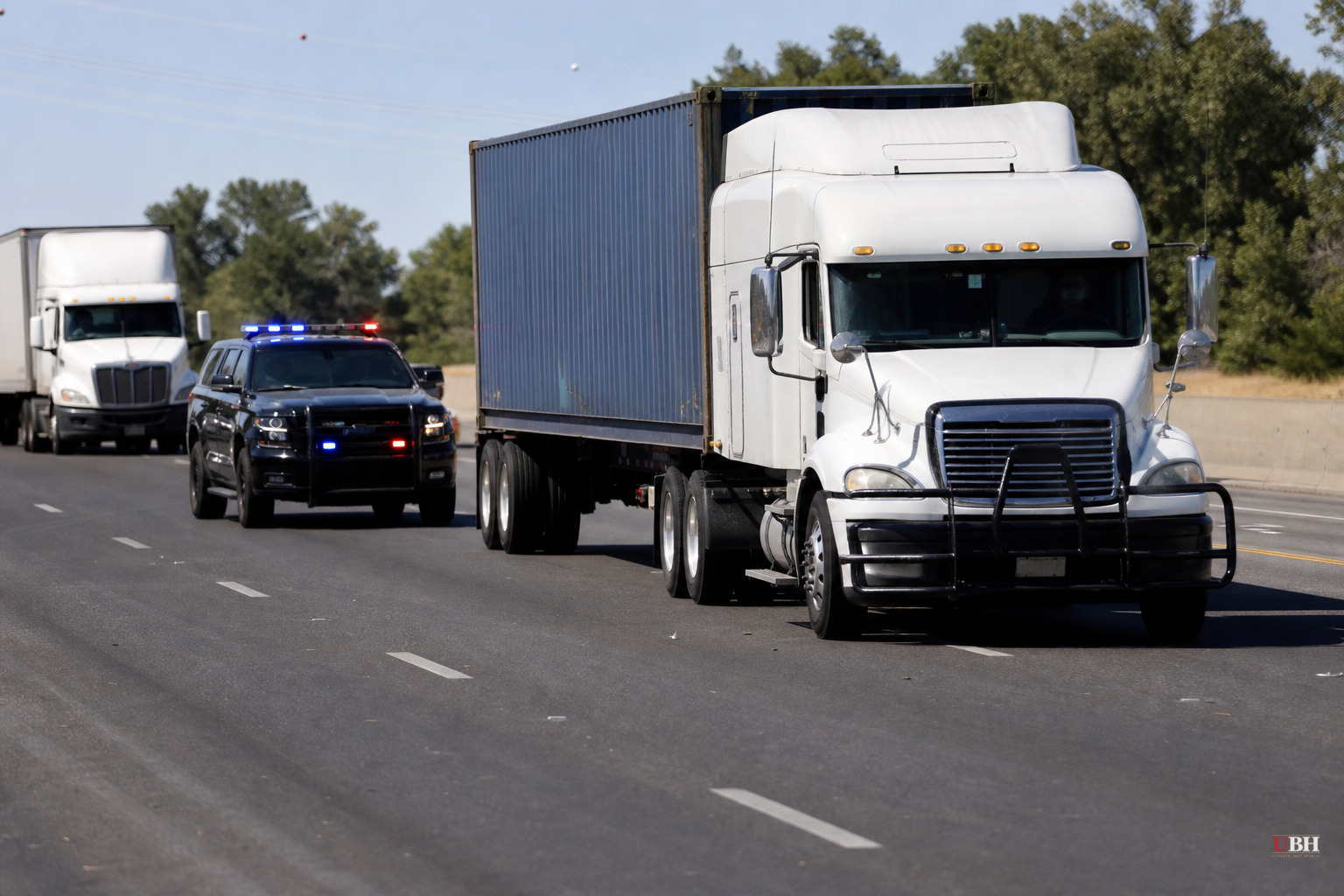
Semitrucks hauling GPUs and server hardware to California data centers are now getting run off the road on purpose. Not by accident. By coordinated crews willing to ram private security vehicles to steal cargo worth millions.
Gerardo Pachuca, a consultant and former Los Angeles County sheriff's detective who's spent 25 years investigating cargo theft, told Wired he's never seen tactics this aggressive. He learned of two recent incidents from law enforcement sources: shipments of high-value tech gear traveling from Silicon Valley to Southern California, each guarded by a private security escort in an unmarked vehicle.
In one case, another driver rear-ended the escort in a hit-and-run, forcing it to stop. In the other, a vehicle nudged the escort into a tailspin using a PIT maneuver, then fled. Pachuca says everyone familiar with both incidents believes the crashes were deliberate, meant to strand the escort and clear the way.
Once the escorts were disabled, the semitrucks kept driving, but never arrived where they were supposed to. The drivers were never heard from again. Millions of dollars in data center equipment is still missing.
Wired tried to independently confirm Pachuca's account with five state and local law enforcement agencies but couldn't, because he withheld details to protect what he described as ongoing investigations. That's a real limitation. But two other sources in the freight security industry backed up the substance of his claims.
J.J. Coughlin, chairman of the Southwest Transportation Security Council, told Wired that one of the affected escort companies alerted him immediately after its vehicle was attacked while guarding what it described as high-value technology. Danny Ramon, director of intelligence and response at freight-monitoring firm Overhaul, said he heard about the rear-ending incident from law enforcement days after it happened, and called it a coordinated assault on a shipment of AI hardware.
All three say no one was hurt. All three also believe the truck drivers were likely in on the scheme, something they describe as an increasingly common problem in cargo theft generally. Nobody has been caught.
The Numbers Behind the Trend
This isn't an isolated blip. Cargo theft losses hit approximately $725 million nationally in 2025, a 60% increase over the prior year, according to supply chain security firm Verisk CargoNet. California accounts for 36% to 38% of all US incidents, more than any other state, thanks to its ports, warehouses, and concentration of tech logistics.
Electronics now make up 22% of everything stolen in cargo theft, and the average loss per incident has climbed to nearly $275,000. In December 2024, thieves pulled off a heist worth more than $7 million in Nvidia chips from a California warehouse. By July 2025, a single theft targeting a Ceva Logistics truck netted roughly $15 million in semiconductors and Apple products.
The problem isn't confined to California. In June, two trailers carrying $1.3 million worth of data center supplies turned up recovered in Illinois, evidence that these operations span multiple states. In the first quarter of 2026 alone, there were 767 cargo theft incidents nationwide totaling $132 million in losses. California and Texas together account for roughly 58% of all US cargo theft.
These aren't smash-and-grab jobs. Security firms including Overhaul have documented thieves using fake logistics credentials, posing as legitimate carriers to intercept shipments before they ever reach their destination. That takes reconnaissance, inside knowledge of shipping schedules, and often firearms.
What Happens Next
The fact pattern here matters. What's proven: cargo theft losses are up sharply and documented by an independent tracking firm, electronics theft is a growing share of the total, and specific dollar-figure heists (the $7 million Nvidia theft, the $15 million Ceva Logistics case, the $1.3 million Illinois recovery) are on record.
What's alleged but unconfirmed: the specific California PIT-maneuver and rear-ending incidents rest on Pachuca's account, corroborated in general terms by two other industry sources, but not verified by any law enforcement agency on record. That's a meaningful gap, and it exists because the people investigating these cases are deliberately keeping details close to avoid tipping off suspects who haven't been caught.
Companies aren't waiting for the gap to close. Some are already paying for armed escorts, better GPS tracking, and stricter carrier vetting, according to industry accounts. None of that stops a crew willing to force a security vehicle off a California freeway. Until someone gets arrested and prosecuted, the tactics stay unconfirmed by anyone with subpoena power, and the AI hardware supply chain stays a target.
Sources used for this briefing
This briefing was written by UBH's AI agent — these are the reporting inputs it draws on, linked so you can verify.


