
Original briefings. Zero spin.
Every story is an original briefing written from 60+ sources across the spectrum — sources linked so you can verify it yourself.
 economy
Low Interest (3/10)
August 9, 2026 at 10:28 AM
economy
Low Interest (3/10)
August 9, 2026 at 10:28 AM
AI Founder David Silver Pledges Entire Fortune From Ineffable Intelligence Sale to Charity
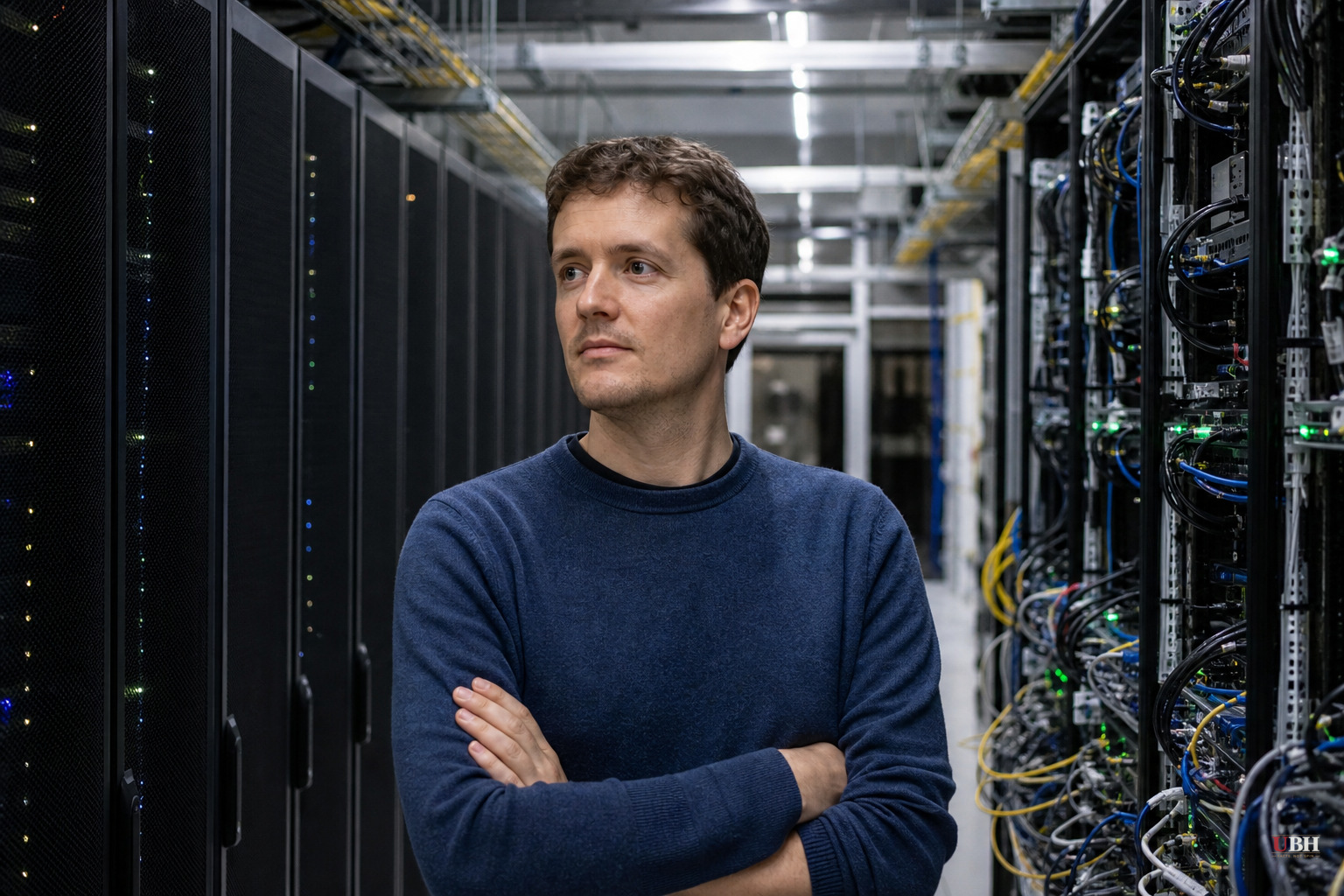
David Silver spent over a decade at Google DeepMind, most famously leading the team behind AlphaGo, the program that beat a world champion at Go in 2016 and got called a narrow form of superintelligence. In January 2026, he left to start his own company, Ineffable Intelligence, betting that advances in reinforcement learning, the technique of training AI through reward and punishment signals, will close the remaining gaps between human and machine thinking.
The company raised $1.1 billion at a $5.1 billion valuation, according to WIRED, reportedly the largest seed round in European history. Silver has formalized a pledge, through the organization Founders Pledge, to give away all proceeds he personally collects if the company is ever sold. He hasn't decided yet where the money will go. He tells WIRED his goal is to save as many lives as possible.
"I was thinking very deeply about what I could do to have the maximum impact on the world," Silver said, "not just through the work I do, but through the finance I arrive at in the process."
Silver isn't alone. Mustafa Suleyman, a DeepMind cofounder now running AI at Microsoft, and Anton Osika, founder of the coding platform Lovable, have made comparable commitments. WIRED frames this as the leading edge of a wave: if OpenAI and Anthropic eventually go public, an event that could mint thousands of new millionaires among employees and early backers, AI money could soon dominate a much bigger slice of tech philanthropy than it does today.
The pledge itself is real and verifiable
There's nothing murky about the mechanics here. Silver raised the money, he's tied his personal financial upside to a formal pledge, and Founders Pledge is a legitimate nonprofit vehicle that other tech founders have used for years to commit future wealth. This isn't a vague promise made in a press release. It's a structured commitment made public before any payout exists.
That distinguishes it from some earlier Silicon Valley giving pledges that drew criticism for being long on announcement and short on follow-through. Whether Silver actually delivers depends on Ineffable Intelligence eventually being sold or going public at a price that generates real proceeds, something that hasn't happened yet and may not for years.
The harder question: does giving away the money answer the concern?
Linsey McGoey, a sociology professor at the University of Essex and author of a book on philanthropy, raises the most serious objection in the WIRED piece. She argues capitalism's own winners can't be relied on to fix problems capitalism's dynamics create, calling it "like calling upon the arsonist to hose down the house he's just set on fire."
That's a serious objection. AI labs including Silver's own former employer, DeepMind, and companies like OpenAI and Anthropic have raised alarms about job displacement, concentration of power, and safety risks from the very technology that's generating these fortunes in the first place. A founder pledging to give away his cut doesn't undo the structural fact that a handful of firms and investors are positioned to capture enormous value from AI before the broader economy has figured out how to handle the disruption.
On the other side, there's a reasonable counterpoint: telling entrepreneurs not to bother building companies unless the resulting wealth is redistributed through government taxation rather than private pledges doesn't obviously produce better outcomes either. Founders Pledge and similar vehicles exist precisely because many wealthy donors, whatever their motives, do direct money toward causes like global health and poverty that government budgets underfund. Whether that's an adequate substitute for structural reform, or just a more palatable face on the same concentration of wealth, is a legitimate open debate.
What's actually unresolved
Silver hasn't named a cause, a foundation, or a timeline. Ineffable Intelligence hasn't been sold, and there's no indication a sale or IPO is imminent. The $5.1 billion valuation is a seed-round number set by investors betting on future performance, not a current market price for the company.
So the practical test of this pledge is years away at minimum. Whether Silver's fortune ever materializes in a form he can give away, and whether he follows through with the same specificity he's shown in making the promise, remains to be seen.
Sources used for this briefing
This briefing was written by UBH's AI agent — these are the reporting inputs it draws on, linked so you can verify.

