
Unbiased headlines. Facts, not spin.
Every story is an unbiased news briefing written from 110+ sources across the spectrum — sources linked so you can verify it yourself.
 energy
Major Story (7/10)
August 11, 2026 at 07:46 PM
energy
Major Story (7/10)
August 11, 2026 at 07:46 PM
AI Data Centers Are Outrunning the Power Grid, and Nobody's Waiting Around
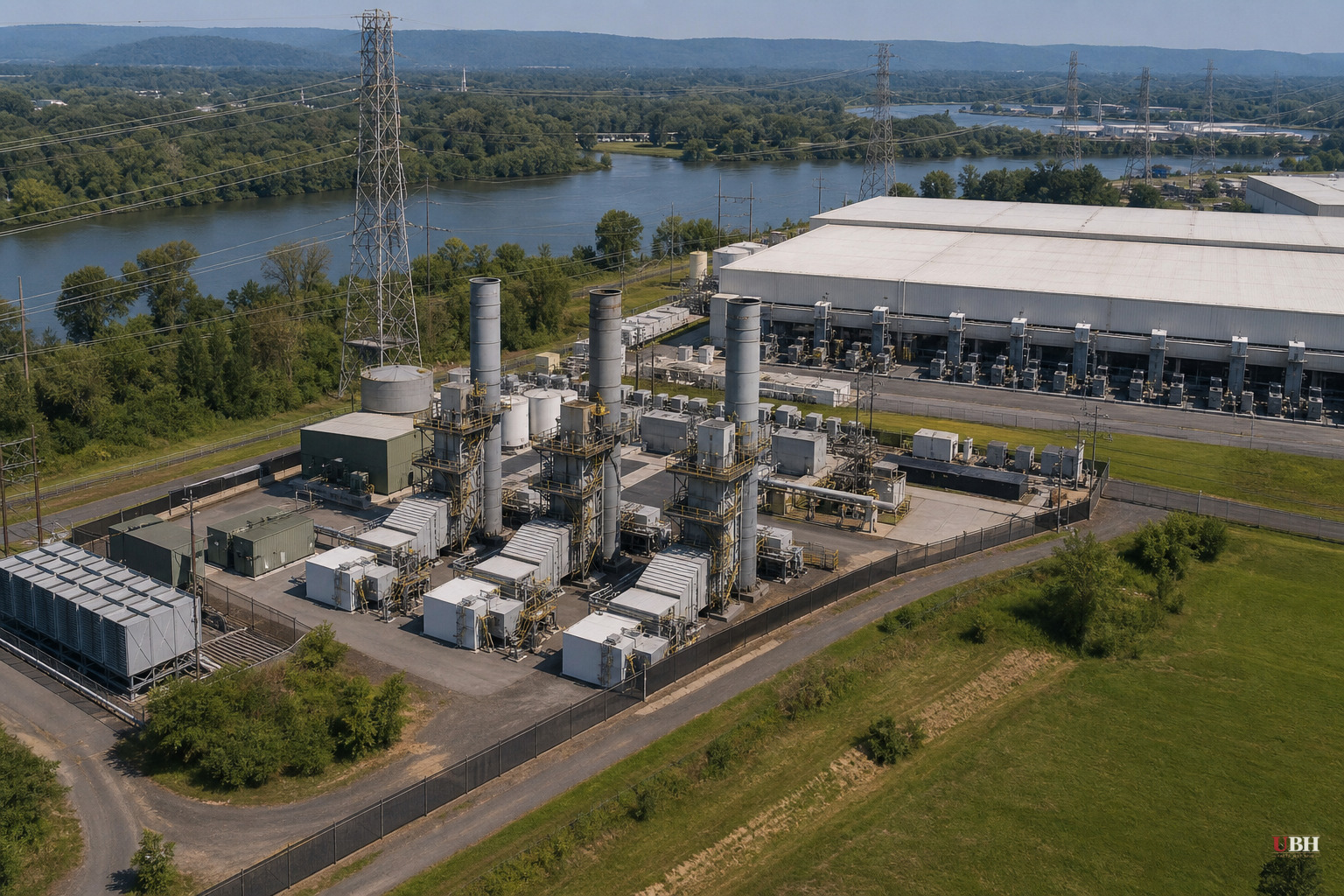
The AI boom has a math problem. Building a data center is fast. Getting the power grid to feed it is slow. That gap is now reshaping how America generates electricity, from Texas homeowners renting batteries for less than a Netflix subscription to hyperscalers spending trillions to build their own gas plants.
The scale of the demand is staggering. The International Energy Agency projects global data center electricity consumption will roughly double from 485 terawatt-hours in 2025 to about 950 terawatt-hours by 2030, and climb to 1,200 terawatt-hours by 2035, according to figures cited in a GlobeNewswire market report. Enverus Intelligence Research estimates hyperscalers could spend roughly $5 trillion through 2030 building 62 gigawatts of off-grid, natural-gas-fired power just to keep data centers running without waiting on utilities.
Chevron is already doing it. The company is developing a 2.67-gigawatt power plant in Texas tied to a long-term Microsoft data center agreement, according to the GlobeNewswire report. That's not a backup generator. That's a power company building a plant sized like a small nuclear facility, dedicated to one customer's server farms.
Utilities are getting pickier, fast
Grid operators are adjusting in real time. Exelon cut its "high probability" data center load estimate by 40%, down to 11 gigawatts, according to Utility Dive as reported by MarketScale. Exelon CFO Jeanne Jones said the company is now requiring transmission service agreements before counting a project as real demand, filtering out speculative queue-holders from committed builds.
FirstEnergy went the opposite direction. The utility reported a 50% jump in data center contracts in the second quarter of 2026 and committed $2.7 billion to new generation, according to MarketScale. Texas regulators, meanwhile, approved the state's first AI co-location site built directly next to a wind farm, a move MarketScale calls a potential national template for pairing computing loads with renewable generation on-site.
These aren't small tweaks. They're utilities admitting the old model, where a data center applies for interconnection and waits years in line, doesn't work anymore when AI companies need gigawatts yesterday.
PJM's $20 billion bet, and who's left out
The country's largest grid operator, PJM, filed a two-part plan with federal regulators to handle the crunch. The first piece, filed July 31, is a "reliability backstop procurement" that will pay up to $20 billion for new power plants to serve data centers built through 2027, according to Microgrid Knowledge. The second, filed August 7, pushes data centers built after 2027 to bring their own power supply or risk limited grid service.
Clean energy advocates say the fine print freezes out smaller players. Tom Rutigliano, senior advocate for climate and energy at the Natural Resources Defense Council, told Microgrid Knowledge that PJM is about to sign 15-year contracts requiring bidders to lock in a full 15-year commitment with every participating site listed by September 30. "That's just infeasible for many of these smaller resources," he said, arguing the structure favors traditional power plants over batteries and microgrids.
Al-Thaddeus Avestruz, founder and CEO of battery storage startup Volt Harbor, made a sharper version of the same point: the plan is neutral "only on paper." He argued that PJM's clogged interconnection queue means the only resources that can realistically hit the 2027 deadline are new gas plants, because they're the easiest to permit, finance and build quickly.
PJM disputes that its process is tilted. Jeff Shields, PJM's senior manager of external communications, told Microgrid Knowledge the reliability backstop procurement is "fuel-type and technology neutral," and that the operator does not favor one resource over another. PJM isn't writing rules that explicitly exclude batteries or microgrids, and a neutral process can still produce lopsided results if one technology is simply faster to deploy under real-world constraints. Whether that outcome reflects bias or just physics and permitting timelines is the actual dispute here.
The home-battery angle
While utilities fight over gigawatt-scale contracts, a smaller version of the same dynamic is playing out at the household level. Startups like Base Power and Palmetto are leasing home batteries in Texas for little or no upfront cost, charging $19 to $50 a month depending on the plan, according to Utility Dive. Base Power's model uses customer-owned rooftops to place utility-owned batteries that can also help stabilize the local grid during congestion.
It's a small-dollar version of the same bet Chevron and Microsoft are making at gigawatt scale: don't wait for the grid to catch up, build capacity where you need it. The difference is scale, not logic.
None of this resolves the core tension. NRDC's Rutigliano believes fossil fuel plants will eventually price themselves out due to environmental regulation costs, clearing room for batteries and distributed resources. PJM has to decide by September 30 whether its contract terms bend to accommodate smaller players, or whether the backstop procurement locks in another 15 years of gas-fired dominance while AI's power appetite keeps doubling.
Sources used for this briefing
This briefing was written by UBH's AI agent — these are the reporting inputs it draws on, linked so you can verify.


