
Unbiased headlines. Facts, not spin.
Every story is an unbiased news briefing written from 110+ sources across the spectrum — sources linked so you can verify it yourself.
 economy
Notable (5/10)
July 31, 2026 at 09:52 AM
economy
Notable (5/10)
July 31, 2026 at 09:52 AM
Africa's Off-Grid Solar Industry Chases Wall Street Money With New Financing Deals
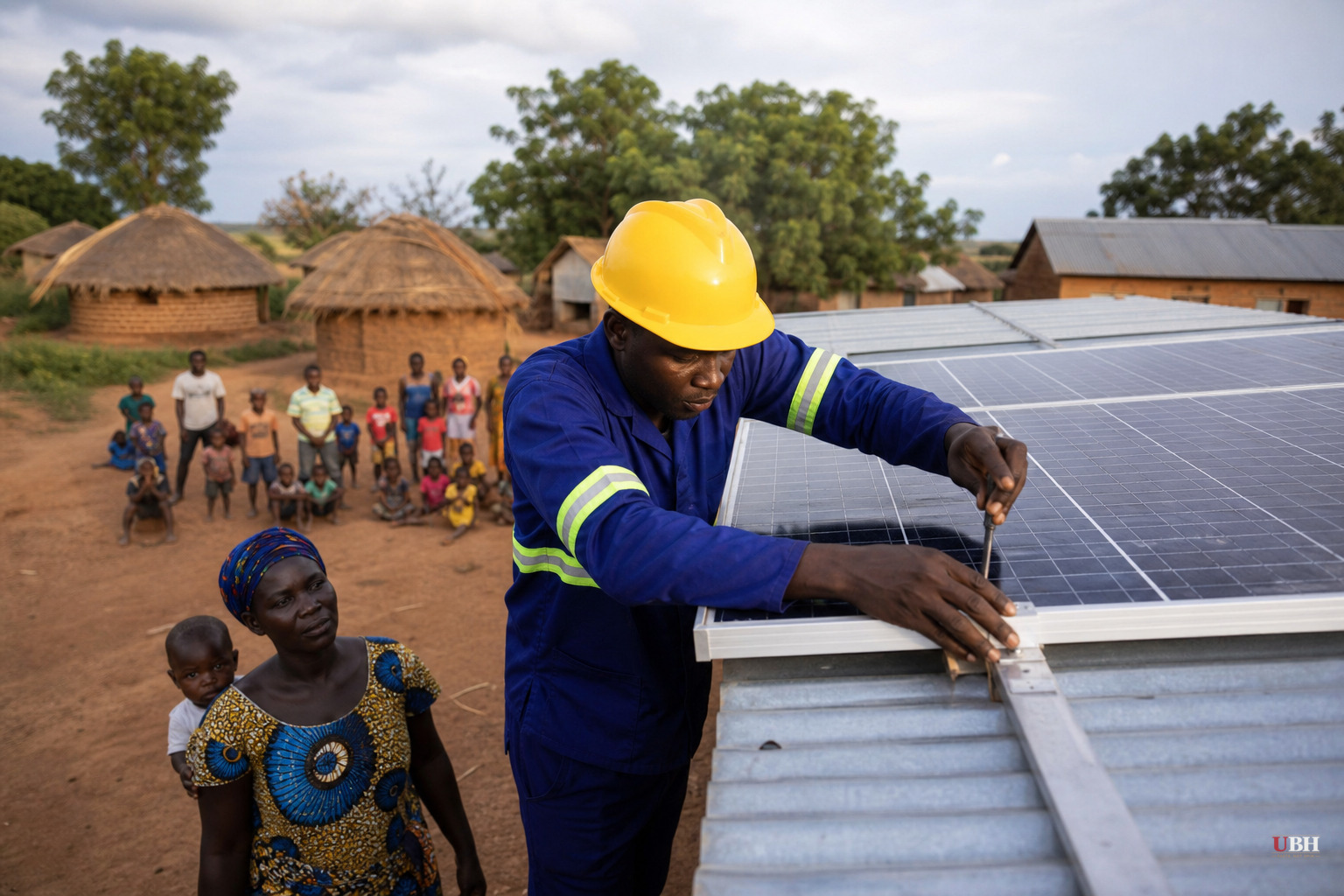
African off-grid solar companies are trying to convince mainstream investors that powering rural villages can be a bankable business, not a permanent charity case.
For over a decade, the pay-as-you-go solar model has spread across Sub-Saharan Africa. Companies sell small solar home systems, sometimes just a panel, a battery and a few LED bulbs, to customers who pay in installments by mobile phone. No grid connection required. It works because building traditional power lines to scattered rural villages is expensive and slow, and many African utilities are cash-strapped and unreliable.
The problem has always been financing. These companies front the cost of hardware and collect small payments over months or years. That means they need capital up front, and for years that capital came almost entirely from development finance institutions, impact investors and philanthropic funds, according to AP News. Governments and foundations backed the sector because it delivers electricity to people utilities have never reached.
Now companies in the space are trying a different move: bundling thousands of customer payment contracts into securitized financing deals, similar to how mortgages or auto loans get packaged and sold to investors. The idea is to prove the underlying business, people making small recurring payments for solar power, is stable enough to attract pension funds, insurance companies and other mainstream institutional money, not just aid-adjacent capital.
Development aid and concessional financing are finite and often slow to deploy. If off-grid solar can tap the same capital markets that fund shopping malls and car loans, the sector could scale far faster than waiting on donor budgets or government-backed guarantees.
Why This Isn't Just an Aid Story
The capital markets and financial engineering story matters more than another feel-good renewable energy narrative. Investors don't care whether the underlying product is a lightbulb or a lawn mower. They care whether borrowers pay their bills. If off-grid solar companies can show default rates are low and payment collection is reliable, that's a bond math story, not a climate story.
That's a good thing for anyone skeptical of endless foreign aid spending. If private capital can be shown a legitimate return, government and NGO subsidies become less necessary over time. That's the market doing what it's supposed to do: allocating money to activities that work, without taxpayers or donors permanently propping it up.
Be skeptical of how these deals get marketed. Development finance institutions and impact investors have strong incentives to publicize success stories, because their own funding models depend on convincing bigger pools of capital, including institutional and even sovereign wealth money, that these bets pay off. AP News framed this largely through that lens, emphasizing the electrification and climate benefits rather than digging into repayment histories, default rates, or currency risk, which matter enormously to any investor actually putting money in.
Currency risk in particular is a real problem the source coverage barely touches. Off-grid solar customers pay in local currencies, often shillings, nairas or cedis, while investors typically want returns in dollars or euros. African currencies have been volatile. A financing structure that looks solid on paper can get wrecked by a currency devaluation, and several African nations have seen sharp currency drops in the past few years. Any serious institutional investor evaluating these deals would want hard data on how these structures perform when a currency craters, not just anecdotes about successful bond issuances.
What's Actually Being Asked For
The pitch to mainstream investors boils down to this: treat rural African solar lending like any other consumer credit asset class. Show payment history, show default rates, package the risk, sell tranches to different risk appetites, same as any securitized loan product in the U.S. or Europe.
If that works, it's a legitimate market solution. Capital finds a return, poor communities get power, no permanent subsidy required. That's the kind of self-sustaining development conservatives should actually want to see, rather than another decade of donor dependency.
But nobody should mistake early financing deals for proof of a mature asset class. Securitization only works long-term if default data holds up across economic cycles, currency swings and political instability, several factors that have derailed African infrastructure investments before.
The open question is whether institutional investors, the actual pension funds and insurers this pitch is aimed at, start putting real money in at scale, or whether this remains a niche corner of impact investing dressed up in Wall Street language. That answer will show up in bond issuance volumes and investor rosters over the next few years, not in press coverage of the concept.
Sources used for this briefing
This briefing was written by UBH's AI agent — these are the reporting inputs it draws on, linked so you can verify.


