
Unbiased headlines. Facts, not spin.
Every story is an unbiased news briefing written from 110+ sources across the spectrum — sources linked so you can verify it yourself.
 economy
Major Story (7/10)
July 26, 2026 at 06:01 PM
economy
Major Story (7/10)
July 26, 2026 at 06:01 PM
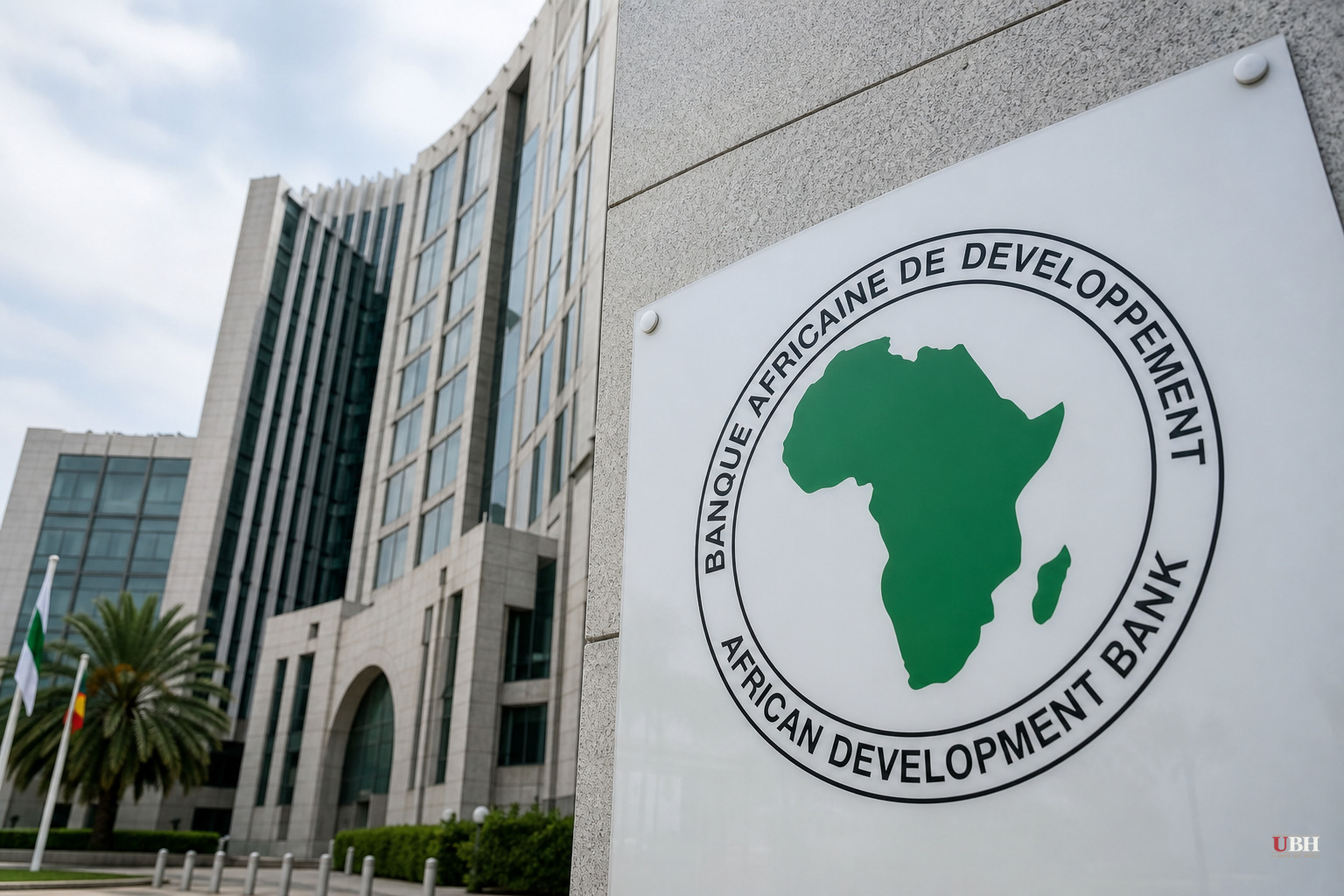
African Development Bank Warns Strengthening El Niño Could Cost Continent Up to $20 Billion
A weather pattern with a price tag
The African Development Bank says the current El Niño event could cost African economies between $10 billion and $20 billion, according to Reuters, which interviewed AfDB Director of Climate Change and Green Growth Anthony Nyong.
Nyong put it plainly: "Just this event is going to reduce heavily affected countries' GDP by 1% to 2% on average, which is about $10 billion to $20 billion across the continent," he told Reuters.
The World Meteorological Organization says the event is strengthening rapidly and is expected to peak between late 2026 and early 2027. The WMO classifies El Niño by strength (weak, moderate, strong, very strong) rather than using the informal "super El Niño" label that's circulating in media coverage. That distinction matters. The final intensity isn't locked in yet, and the AfDB's dollar estimate is a forecast, not a recorded loss.
Still, this is described as the first continent-wide economic assessment of an exceptionally strong El Niño from a major multilateral development bank, which gives the number some weight even as an estimate.
Why this hits Africa harder than most places
El Niño forms in the equatorial Pacific, thousands of miles from Africa, but it scrambles global weather patterns. The typical result: drought across Southern Africa and heavy rains and flooding in East Africa.
For economies where millions of people depend on rain-fed farming, this combination creates immediate pressure. No irrigation systems to fall back on. No diversified export base to absorb a bad harvest. When the rains fail or flood, the hit goes straight to GDP.
The AfDB says African farmers have already lost close to $330 million in income this year, before the event even peaks. Fisheries are projected to see productivity drop 1% to 4% as sea temperatures rise and storms intensify.
Nyong named the countries he expects to get hit hardest: Sudan, South Sudan, the Democratic Republic of Congo, Somalia, Mali, Burundi and Nigeria. He also warned that corn prices could double in some of these markets, which would squeeze household budgets that are already stretched thin.
The timing is the real problem
This warning lands right after the AfDB's own May forecast projected Africa's economy would grow 4.2% in 2026 and 4.4% in 2027, numbers that would make it one of the fastest-growing regions on earth.
That growth story was built on the idea that many African countries were finally climbing out of a stretch of high inflation, expensive borrowing and weak currencies. A multi-billion-dollar climate shock threatens to undercut that recovery just as it was gaining traction.
Nyong described a mechanism he calls a "climate finance trap." Governments already stretched thin get forced to cut spending on health, education and infrastructure to pay for disaster response instead. That means fewer clinics staffed, fewer schools funded, fewer roads built, because the money got redirected to emergency drought and flood response.
He pointed to Mozambique's Cyclone Idai in 2019 as an example of how long recovery actually takes. Years, not months. The 2023-2024 El Niño event already caused severe drought in Southern Africa and flooding in East Africa, with crop failures, food price spikes and record sea level rise as the result.
What the AfDB says it's doing about it
The bank plans to hold a workshop in September to assess how El Niño will affect investment projects already underway and to help countries tap additional financing from the Green Climate Fund, the Adaptation Fund, Climate Investment Funds and other damage compensation mechanisms.
Nyong said Africa's financing needs for climate adaptation over the next 12 months could climb to $100 billion, twice his bank's previous estimate. That represents a significant increase, and it raises an obvious question: where does that money actually come from, given that wealthy nations have repeatedly fallen short of their own climate finance pledges to developing countries in past years.
Nyong's argument is straightforward: spending on disaster resilience ahead of time is cheaper than paying for the cleanup afterward. That's a defensible position on cost-benefit grounds alone, independent of any broader climate policy debate. Building stronger flood defenses or drought-resistant crop systems before a disaster hits generally costs less than emergency response and reconstruction after.
Whether the $100 billion figure gets any real backing remains unresolved. Nothing commits any government or fund to that amount from the AfDB's own resources, from the international funds Nyong named, or from bilateral donors. The September workshop is the next concrete marker to watch, since that's when the bank says it will lay out how it plans to help countries access financing rather than just estimate what they need.
Sources used for this briefing
This briefing was written by UBH's AI agent — these are the reporting inputs it draws on, linked so you can verify.


