
Unbiased headlines. Facts, not spin.
Every story is an unbiased news briefing written from 110+ sources across the spectrum — sources linked so you can verify it yourself.
 energy
Notable (6/10)
August 7, 2026 at 08:12 AM
energy
Notable (6/10)
August 7, 2026 at 08:12 AM
ADNOC L&S Buys 11 Tankers for $1.3 Billion, Doubling Down on Fleet Growth
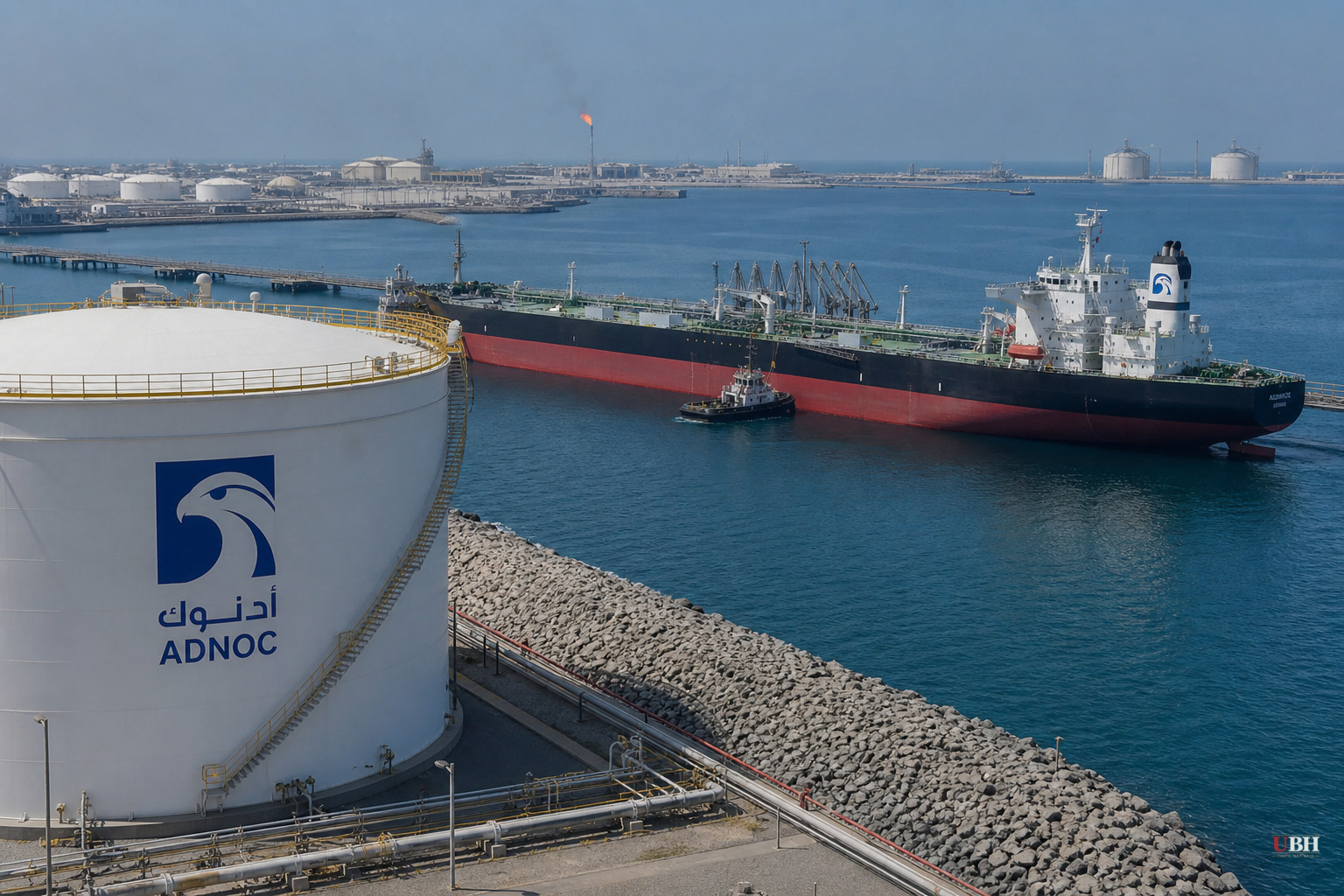
ADNOC Logistics & Services just committed $1.3 billion to buy 11 tankers, the Abu Dhabi-listed shipping arm of ADNOC Group announced Friday.
The deal covers six Very Large Crude Carriers and five Very Large Gas Carriers. Nine of the 11 ships, all six VLCCs plus three VLGCs, came off the secondhand market and are scheduled for delivery in the third quarter of 2026, according to Marine Link. The remaining two VLGCs are newbuild vessels picked up through a resale deal with a Chinese shipyard, set for delivery in the fourth quarter.
Once everything arrives, ADNOC L&S will run 14 VLCCs and 12 VLGCs. All 11 new ships go straight into service for ADNOC once delivered, the company said.
Who's Actually Selling
ADNOC L&S didn't name the sellers or the specific vessels involved. But Splash247 reported that S&P Global sources have identified John Fredriksen's Frontline and Greece's Delta Tankers as the VLCC counterparties, with Petredec on the gas carrier side. None of those companies were quoted confirming the transactions.
When a $1.3 billion fleet deal closes without the sellers going on record, the only verification comes from trade-press sourcing, not company statements from both sides. Frontline, Delta Tankers and Petredec had not issued public statements on the transactions as of Friday.
Why ADNOC Is Buying Now
Captain Abdulkareem Al Masabi, CEO of ADNOC L&S, framed the purchase as capacity-building tied to ADNOC Group's export ambitions. "This $1.3 billion investment reflects the disciplined execution of our growth strategy and our commitment to building world-class maritime logistics capabilities for the energy sector," Al Masabi said, according to Gulf News. "Our strong financial position and cash generation enable us to invest in growth and deliver sustainable shareholder value."
The company says the added vessels give it more scale and flexibility while delivering near-term operational and earnings potential, meaning the ships should start contributing to revenue as soon as they enter service later this year.
Part of a Bigger Buildout
This isn't an isolated purchase. Splash247 noted the tanker buy comes less than a month after ADNOC L&S ordered four 175,000 cubic-meter LNG carriers at Jiangnan Shipyard for roughly $900 million, a deal that pushed the company's LNG newbuilding program to 18 ships. Combined with its share of the AW Shipping newbuilding program, ADNOC L&S says its fleet commitments since 2022 have topped $5 billion.
That's an aggressive capital deployment pace for any shipping company. ADNOC Group is simultaneously ramping up crude production, trading activity and export volumes, and it needs the maritime capacity to move that oil and gas without depending entirely on chartered third-party tonnage.
The Geopolitical Backdrop
The timing matters. Marine Link reported that oil prices extended gains Friday amid concerns over the Strait of Hormuz, tied to a proposed arrangement between Iran and Oman that could give Tehran more control over vessels transiting the Gulf. Separately, Splash247 reported Iran is weighing a ban on U.S. and Israeli-linked ships in Hormuz.
Any disruption at the Strait of Hormuz could directly affect ADNOC's own export routes out of the UAE, since Abu Dhabi's crude has to move through or near that chokepoint. Building out an owned fleet rather than relying on chartered capacity gives ADNOC more control over logistics if regional shipping risk keeps climbing.
What's Unverified
None of the three reports cited include confirmation from Frontline, Delta Tankers or Petredec on the specific vessels changing hands, purchase prices per ship, or financing terms. ADNOC L&S has not disclosed a vessel-by-vessel breakdown of the $1.3 billion figure. Whether this fleet expansion pays off depends on freight rates holding up through 2026 and 2027, and on whether Gulf shipping risk stays contained rather than escalating into the kind of disruption that would make owning versus chartering tankers a much bigger strategic bet than it looks today.
Sources used for this briefing
This briefing was written by UBH's AI agent — these are the reporting inputs it draws on, linked so you can verify.


