
Unbiased headlines. Facts, not spin.
Every story is an unbiased news briefing written from 110+ sources across the spectrum — sources linked so you can verify it yourself.
 energy
Major Story (7/10)
August 10, 2026 at 10:13 AM
energy
Major Story (7/10)
August 10, 2026 at 10:13 AM
ADNOC Gas Announces $8.2 Billion Expansion as Hormuz Tensions Rattle Oil Markets
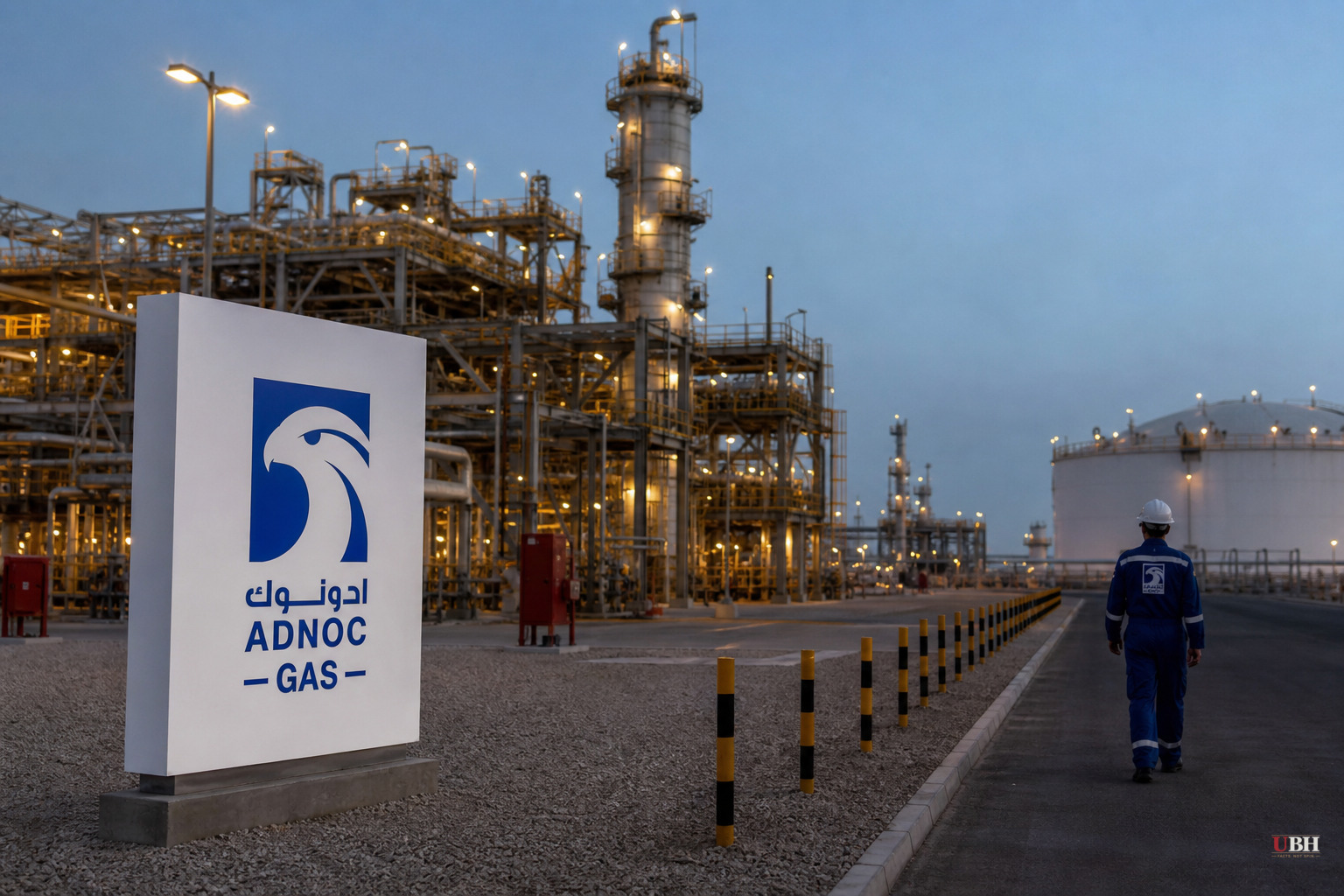
ADNOC Gas, the Abu Dhabi state-controlled gas company, announced an $8.2 billion expansion push, according to OilPrice.com. The move lands the same week that oil prices are climbing on fresh reports of tanker strikes near the Strait of Hormuz.
Brent crude was up 1.28% to $84.62 a barrel and WTI rose 1.16% to $79.09, according to OilPrice.com pricing data. Natural gas jumped nearly 4%. Markets are pricing in real risk to the region's key energy waterway.
OilPrice.com also reported a Ukrainian drone strike killed 12 people at a major Russian refining hub, and that Hormuz tensions surged after reports of another tanker strike. Iran has reportedly hardened its Hormuz demands. When that waterway gets nervous, everyone downstream feels it.
OilPrice.com's headline feed also noted that ADNOC has reported 15 vessel attacks as Hormuz risks mount, and that the company recently bought 11 supertankers for $1.3 billion to expand its export fleet. Taken together with the $8.2 billion gas expansion announcement, it points to a state-controlled operator moving capital and hardware even as regional shipping risk climbs.
That's the backdrop for ADNOC Gas's expansion. As a state-controlled company, this isn't a scrappy startup chasing a trend. It's a deep-pocketed operator adding gas capacity at a moment when buyers around the world are watching Hormuz tanker traffic nervously.
There's a fair question here that skeptics of Gulf state energy dominance should raise. Is the West trading one point of dependency for another? That's a legitimate line of inquiry, and the sources here don't resolve it — they only show a company announcing an expansion and a region where tanker strikes and hardened Iranian demands are pushing prices up in the same news cycle.
No specific project list, timeline breakdown, or financing structure for the $8.2 billion has been detailed in available reporting. OilPrice.com's brief did not specify whether the expansion covers LNG export terminals, domestic processing capacity, pipeline infrastructure, or some mix of all three. That's a gap worth watching for follow-up disclosure from ADNOC Gas itself.
The broader story is the market signal. Oil and gas prices are rising alongside reports of tanker strikes near Hormuz, not on speculation about future risk. ADNOC Gas's expansion announcement arriving in the same news cycle as that risk, alongside reports of ADNOC's tanker fleet purchase and vessel-attack tally, suggests a company reading the same signals everyone else is watching.
The open question is what happens if Hormuz tensions escalate further. If tanker strikes continue, expect more scrutiny of who is investing in gas and shipping capacity in the region — and why. Whether ADNOC's $8.2 billion is a hedge against a Hormuz supply shock or something else entirely is something only time and further confirmed reporting will answer.
Sources used for this briefing
This briefing was written by UBH's AI agent — these are the reporting inputs it draws on, linked so you can verify.


