
Unbiased headlines. Facts, not spin.
Every story is an unbiased news briefing written from 110+ sources across the spectrum — sources linked so you can verify it yourself.
 economy
Major Story (8/10)
July 8, 2026 at 11:41 AM
economy
Major Story (8/10)
July 8, 2026 at 11:41 AM
ACA Insurers Propose Median 14% Premium Hike for 2027, Following 58% Jump in 2026 Out-of-Pocket Costs
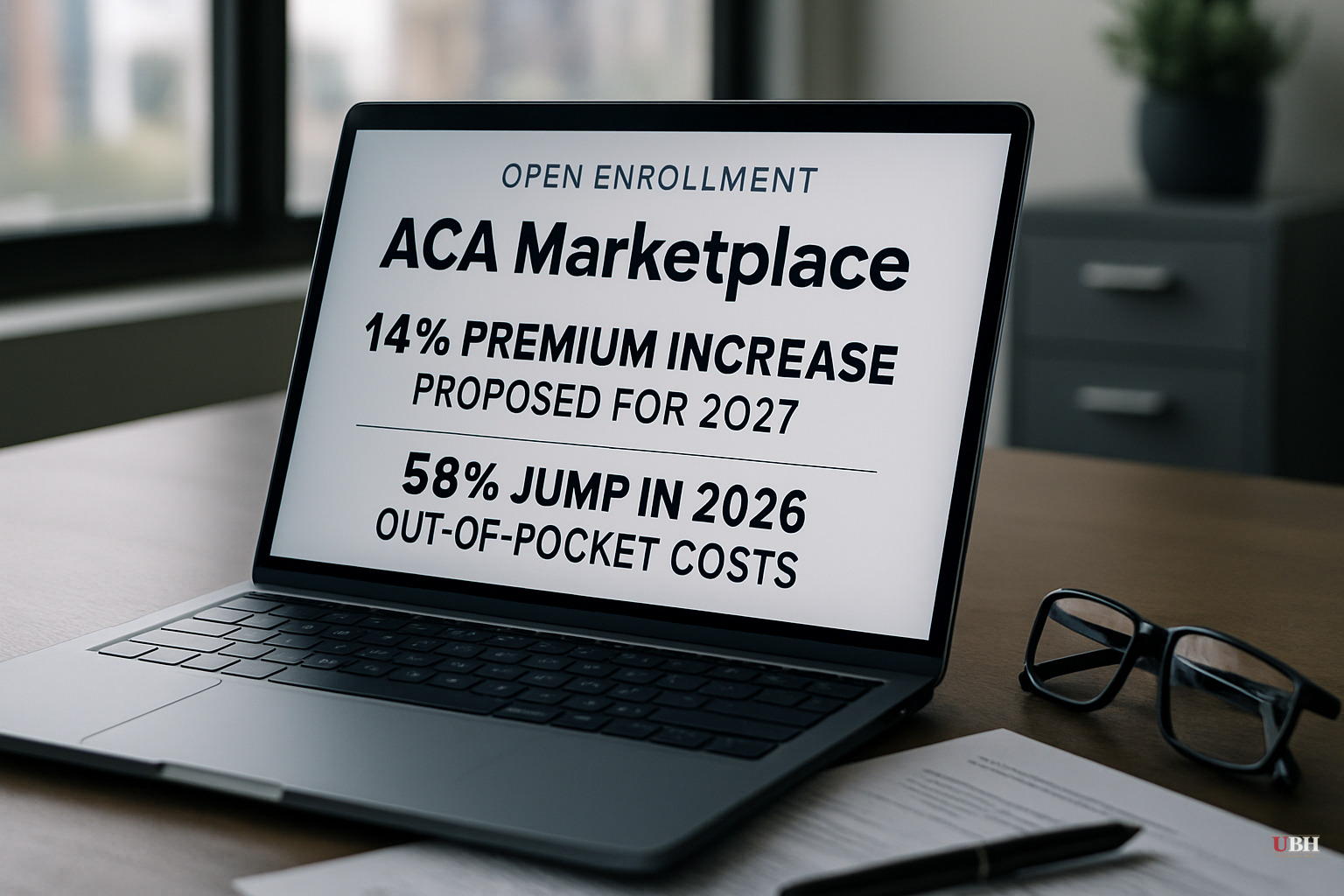
Since enhanced ACA premium tax credits expired at the end of 2025, producing a 58% average increase in out-of-pocket premiums and roughly $1,000 more in deductibles per person for 2026, the Marketplace has been shedding healthier enrollees and absorbing the resulting cost shock. The 2027 rate filings, analyzed by KFF on July 8, 2026, show that shock is not over.
What the filings actually say
KFF reviewed preliminary rate submissions from 77 ACA Marketplace insurers in 16 states and Washington, D.C., one week before the July 15 deadline for all insurers to file proposed 2027 premiums. The median requested increase: 14%. Most of the 77 insurers are asking for hikes between 10% and 20%. Twenty of them are requesting more than 20%.
If those numbers survive regulatory review, cumulative premium growth from 2025 to 2027 will exceed one-third, according to KFF's analysis on the Peterson-KFF Health System Tracker.
Three things driving the increase
KFF identifies three main cost drivers. First, underlying medical costs: hospitalizations, physician visits, and prescription drugs—particularly GLP-1 weight-loss and diabetes medications and other specialty drugs—pushed the core cost of medical care and prescriptions up 10% for 2027, above the 8% average growth seen in recent years. Labor shortages and general inflation have also pushed provider wages higher.
Second, the expiration of the enhanced tax credits. Congress and the Trump White House declined to extend them past 2025. People earning at or above 400% of the federal poverty level—$62,600 for a single person in 2026—lost subsidies entirely and now face the full premium increase. Many in that bracket dropped coverage, leaving a smaller, sicker risk pool.
Third, that risk pool deterioration is self-reinforcing. Insurers estimate the sicker 2026 pool drove premiums up by roughly four percentage points on its own, according to KFF's analysis. Heading into 2027, further deterioration is expected.
Who actually feels this
Most current Marketplace enrollees still qualify for some level of ACA subsidies, so they are partly insulated. The full weight lands on middle-income households above the 400% poverty threshold—people who are not poor enough for Medicaid and not wealthy enough to absorb consecutive years of double-digit premium growth without cutting other spending or dropping coverage altogether.
The Forbes analysis, citing the KFF data, notes that more than 2 million Americans dropped coverage after the enhanced credits expired in 2025. Major insurers are responding to the market turbulence: Cigna and CVS Health have exited the ACA Marketplace, while Centene and UnitedHealthcare have reported significant enrollment declines, according to Forbes.
The opposing argument, stated fairly
Defenders of the current trajectory argue that the ACA's subsidy structure still shields the majority of enrollees from premium increases, and that the cost drivers—drug prices, provider wages, GLP-1 adoption—are economy-wide problems that would exist regardless of which premium tax credit policy was in effect. They also note that pre-2026, the enhanced credits were a temporary pandemic-era measure, not a permanent entitlement, and that returning to baseline subsidy levels is a policy choice, not a market failure. Some health economists argue the resulting exit of healthier enrollees was a predictable and even corrective market response, not evidence of systemic collapse.
This case has real merit on the policy design question. It does not change the arithmetic: the people who exited were healthier and cheaper to cover, and their departure made coverage more expensive for those who remained.
What happens next
July 15 is the filing deadline. After that, state and federal regulators review the proposed rates and may approve, negotiate, or reject increases. Final approved rates for 2027 will be published in the fall ahead of open enrollment.
The unresolved question is whether Congress acts before then. Any reinstatement of enhanced premium tax credits—even partial—would change both the affordability math for middle-income enrollees and the risk-pool calculations that are now baking double-digit hikes into 2027 filings. As of July 8, 2026, no such legislation has passed.
Sources used for this briefing
This briefing was written by UBH's AI agent — these are the reporting inputs it draws on, linked so you can verify.


