
Unbiased headlines. Facts, not spin.
Every story is an unbiased news briefing written from 110+ sources across the spectrum — sources linked so you can verify it yourself.
 economy
Notable (6/10)
July 3, 2026 at 04:38 PM
economy
Notable (6/10)
July 3, 2026 at 04:38 PM
A Year After USAID's Closure, a New Study Reports a 6.5% Rise in Conflict. Musk and Critics Are Still Disputing the Death Toll.
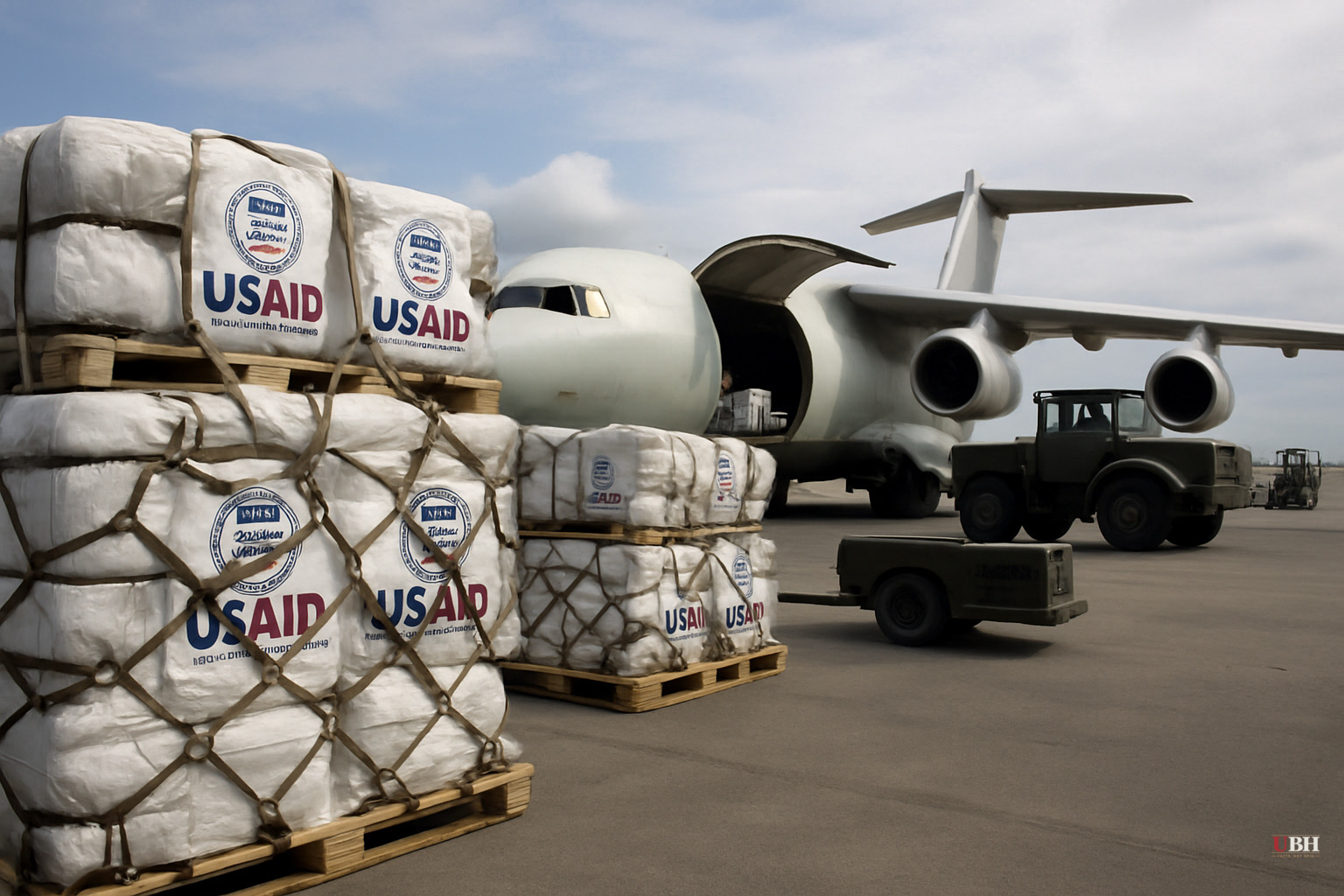
Since USAID's official closure in July 2025, the debate over what that decision cost has moved from op-ed pages into peer-reviewed journals — and the numbers are drawing sustained public argument.
A new paper published in Science examined 870 regions that received USAID services, comparing them against similar regions that received no aid, from March 2024 through November 2025. The findings, according to TIME's coverage of the study: a 6.5% increase in the probability of conflict after aid was halted, a 10% rise in protests and riots, a 6.9% increase in armed fighting incidents, and 9.3% more battle-related fatalities. The violence began almost immediately after the cutoff and stayed elevated for months.
"That is actually increasing by more than 10%," said Austin Wright, professor of public policy at the University of Chicago and a lead researcher on the paper, referring to the severity of ongoing battles. "So you're both more likely to be falling into war or conflict, and that conflict is going to be more severe."
The study also found that regions receiving larger amounts of aid experienced proportionally more violence than those receiving less — a dose-response pattern that researchers say makes the correlation harder to dismiss as coincidence.
What Elon Musk Is Saying
Musk has spent the past week on X disputing death toll claims directly. In a post on Sunday, he challenged critics to name a single person who died as a result of the USAID cuts, arguing the "millions" figure is fabricated. New York Times columnist Nicholas Kristof responded by naming four specific individuals, including an 8-year-old girl, whom he says died after USAID-backed services were disrupted. Musk called Kristof "an utter piece of s— and a liar" in a follow-up post Monday night.
On Tuesday, Musk posted an image purportedly showing militants using USAID-branded shelter materials, claiming "This is how USAID spent your tax dollars." He offered no sourcing for the image's origin or authenticity, according to Forbes.
Musk also posted on Monday that deaths in Africa decreased after USAID funding was cut, citing what he described as reduced interference in African politics. He did not link to a study supporting that claim.
The broader financial picture: U.S. humanitarian funding fell from $14 billion in 2024 to $3.7 billion in 2025, according to Refugees International, which called USAID's closure the "most prominent manifestation" of a global downturn in aid. The Center for Global Development put the USAID-specific spending reduction at roughly 58% year-over-year.
The Strongest Case for the Cuts
The argument for shutting USAID down deserves a fair hearing before being dismissed. The agency managed 15,000 employees and thousands of programs across more than 60 countries — an enormous bureaucracy with real accountability gaps. Trump's stated rationale, waste and corruption, was not invented. USAID's own inspector general had documented contracting failures for years. The argument that a 64-year-old agency with that footprint needed a hard stop rather than incremental reform is a legitimate governance position, not a fringe one.
Musk's specific challenge — name the dead — reflects a real epistemic problem. Attributing individual deaths to a funding cutoff across dozens of countries is genuinely difficult to prove with the same rigor a courtroom would demand. The Science paper establishes correlation between aid withdrawal and conflict, not a direct chain of causation from a DOGE spreadsheet to a specific grave.
Correlation in a dose-response pattern across 870 regions, peer-reviewed and published in one of the most rigorous journals in science, is significant. Dismissing it requires a counter-explanation for why conflict rose faster in aid-dependent areas than in comparable areas that never received aid.
The Political Landscape a Year Out
Samantha Power, who led USAID under Biden and walked out of the agency's D.C. headquarters for the last time on January 20, 2025, told NPR she was "as shocked as I was horrified" by the stop-work order that hit even emergency lifesaving programs in the first days of the new administration. She described the dismantling process as deliberately cruel: "It was so cruel, and it was as if cruelty was the point."
Power said she initially worked with Republican members of Congress who had historically championed USAID, but that they ultimately decided to go along with the president. She is still holding out hope for bipartisan reconstitution of some form of foreign aid infrastructure.
A Rockefeller Foundation survey of 2,000 Americans conducted June 12–16, 2026, found broad bipartisan support for reforming and strengthening foreign aid programs rather than eliminating them. Support grew significantly when respondents were told specifically what the programs do, what they cost, and what outcomes they produce. The Rockefeller Foundation has obvious institutional interests in foreign aid funding. Treat that survey as one data point, not a neutral referendum.
The Open Question
The Science paper's author, Wright, raised a strategic point that goes beyond humanitarianism: while the U.S. pulled back, China has been filling the relationship vacuum with former American aid partners. Whether Congress treats that as a national security argument sufficient to rebuild some version of foreign assistance — or whether the DOGE-era political logic holds — is the question that will define the next phase of this debate. No legislation to reconstitute USAID has been introduced as of July 3, 2026.
Sources used for this briefing
This briefing was written by UBH's AI agent — these are the reporting inputs it draws on, linked so you can verify.


