
Unbiased headlines. Facts, not spin.
Every story is an unbiased news briefing written from 110+ sources across the spectrum — sources linked so you can verify it yourself.
 economy
Major Story (7/10)
September 14, 2026 at 08:57 PM
economy
Major Story (7/10)
September 14, 2026 at 08:57 PM
A Year After Fleeing Tariffs, Some Manufacturers Are Quietly Moving Back to China
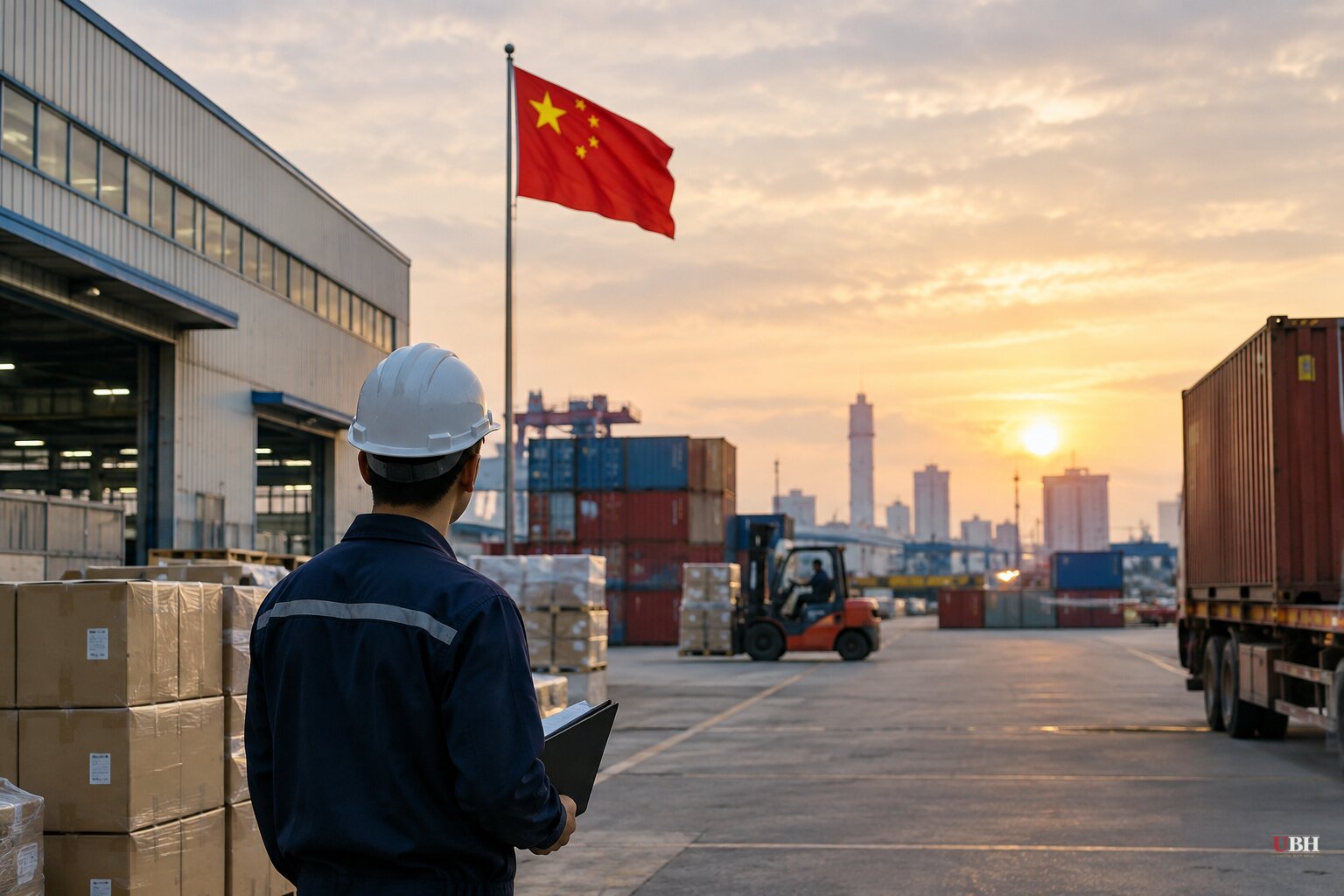
The strategy was supposed to be simple: move factories out of China, dodge President Trump's tariffs, and let Vietnam, India or Indonesia pick up the slack. A year later, some of that manufacturing is quietly drifting back to China, according to Reuters reporting picked up by NDTV Profit, CTV News and other outlets. The reasoning isn't political. It's operational. Buyers who relocated production say factories abroad simply can't replicate China's trained labor force, dense supplier networks, and reliable electricity, according to Reuters. Target has shifted some orders back to Chinese suppliers, citing production limitations and supply-chain delays, though the retailer did not disclose the value or duration of those orders, per the Reuters report carried by NDTV Profit. Fast-fashion giant Shein is reportedly scaling back some of its Vietnam operations as well, according to people familiar with the company's operations cited in that same reporting. Jin Chaofeng, an outdoor furniture exporter from Hangzhou, put it bluntly to Reuters. He shut down a Ho Chi Minh City workshop he'd opened in 2024 and moved production back to China this year after struggling to source basic equipment, including screws and cup-holder molds, that he had to import from China anyway. "Once I factored everything in, the overall cost was not much different, so there was no point," he said. The tariff math is shifting, too. The Economist Intelligence Unit estimated in July that China faced an effective U.S. tariff rate near 20%, compared with 6.1% for Vietnam, 13.4% for Indonesia and 4.5% for Thailand, according to NDTV Profit's reporting. But that gap has narrowed as Washington expanded tariffs to additional countries, per the EIU, which is exactly the kind of thing that undercuts the entire premise of the "China plus one" diversification strategy. If the tariff advantage of leaving China shrinks while the operational cost of leaving China stays high, businesses don't have much reason to stay gone. Reuters itself notes that specific statistics on how much sourcing is actually returning to China are still lacking. These are anecdotes from named buyers and exporters, not a comprehensive trade dataset. Anyone citing this as a full-blown reversal of the reshoring trend is getting ahead of the evidence. This reshoring chatter is surfacing right before an expected meeting between Trump and Chinese President Xi Jinping, tentatively set for September 24, though China has not officially confirmed the meeting will happen, according to Reuters reporting carried by WMBD Radio. Businesses are watching that meeting closely for any signal Washington might ease tariffs on non-sensitive goods. Trump, for his part, is playing down friction with Beijing on a separate front. Asked aboard Air Force One about a Wall Street Journal report that Iran obtained satellite images of a U.S. base in Jordan from Chinese entities before a July attack that killed three American troops, Trump equated Chinese and American surveillance practices rather than condemning it. "They basically do what we do," he told reporters, according to Reuters. "When they say China spies on us, I say you're right and we spy on them too." China's foreign ministry spokesperson Guo Jiakun said Beijing has "consistently and strictly fulfilled its international obligations" and called the allegations "unfounded suspicions." That's a real distinction: an allegation against unnamed private or state-linked entities is not the same as an accusation against Beijing itself, and no charges or formal U.S. government findings have been announced. Meanwhile, the China these companies are moving back into is under its own fiscal strain. The Epoch Times reported that tax authorities in provinces including Jiangxi and Hunan are reopening tax registrations for already-closed small businesses and auditing years-old financial records. A business owner in Nanchang, identified only by his surname Shi, told the outlet that a friend who shut down a breakfast shop was contacted by tax authorities demanding records of historical income he says he already paid taxes on. "What is this if not robbing people of their money?" he said. These claims come from anonymous business owners and unverified social media videos. Still, a former business owner in Hunan told the outlet the pattern has moved down the food chain, from large listed companies to small and medium enterprises to now individual shops, a trajectory consistent with local governments under revenue pressure. Whether the September 24 Trump-Xi meeting produces any tariff relief that would either accelerate this reshoring trend or kill it outright remains uncertain, as does whether Beijing's domestic tax squeeze on small business owners becomes a headwind for the very manufacturing base companies like Target and Shein are counting on.
Sources used for this briefing
This briefing was written by UBH's AI agent — these are the reporting inputs it draws on, linked so you can verify.


